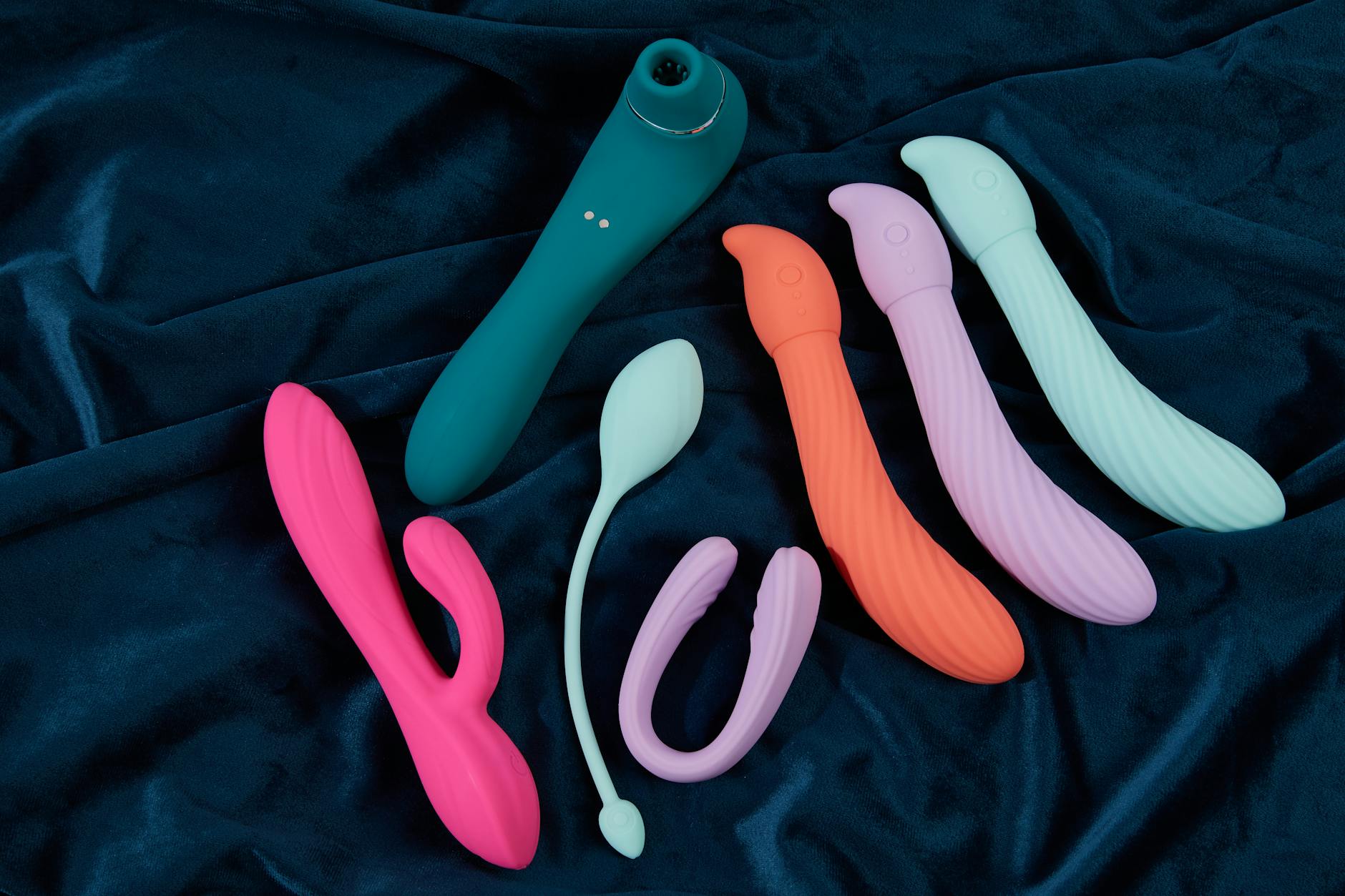
Let's talk about sensitive skin and pleasure
Your vulva deserves the same gentle care you'd give your face. If you have reactive skin, finding toys that don't trigger irritation isn't picky. It's self-respect.
Here's the thing: lemon clitoral vibrators like the Lem from Hello Nancy are uniquely well-suited to sensitive skin, and I want you to understand why. It's not marketing. It's material science, design, and how these toys interact with delicate tissue.
Why lemon vibrators matter for sensitive skin
Most clitoral vibrators work through direct vibration against skin. If you've got reactive skin, direct vibration + friction can mean redness, micro-tears, or irritation that lingers for days. That's not a sign you're broken. It's a sign the toy isn't right for your body.
Lemon-shaped clitoral vibrators (often called lemon suckers or air-suction devices) work completely differently. Instead of buzzing against you, they create a gentle pulsing suction. Think of it like a soft kiss rather than a buzz.
That fundamental difference matters because air-suction stimulation:
- Distributes pressure across a larger surface area instead of concentrating it in one spot
- Doesn't require direct friction, so you're not grinding silicone against sensitive tissue
- Works beautifully with minimal or no lubricant, cutting down on chemical irritants
- Creates a sealed micro-environment that's gentler than open-air vibration
If you've had bad experiences with traditional vibrators, this isn't hype. It's physics.
Material matters way more than you think
Here's what I see in my practice: people with sensitive skin often blame the toy when they should blame the material.
Body-safe silicone (medical-grade, non-porous) is a baseline. But not all silicone is created equal. Cheaper toys use silicone that's been treated with softeners or fillers to cut costs. Those additives leach onto your skin, and if you're reactive, you'll feel it within minutes.
The best lemon vibrators for sensitive skin use premium silicone with no added junk. The Lem, for instance, is crafted from silicone that's been tested for skin irritants. No phthalates, no latex, no mystery chemicals.
When you're shopping:
- Ask the brand directly about their silicone sourcing. Transparent brands will answer.
- Avoid toys with a strong chemical smell. That's off-gassing, and your skin will react.
- Choose smooth surfaces over textured ones. Texture is fun for some people, rough for others with reactive skin.
- Steer clear of novelty toys sold at gas stations. Those are often made with materials that would never pass safety testing.
Lubricant is half the battle
I can't overstate this: the right lubricant makes or breaks the experience for people with sensitive skin.
Water-based lubes are always safe with silicone toys, but quality matters. Cheap water-based lubes are thin, drying, and full of glycerin or parabens that irritate reactive skin. You'll need to reapply constantly, and your skin will get angrier each time.
Instead, invest in a quality water-based lube designed for sensitive skin. Look for:
- Paraben-free formulas
- No glycerin (it feeds yeast and bacteria, which is the last thing you need)
- Hyaluronic acid or aloe as a base (these hydrate skin, not dry it out)
- pH-matched to vaginal tissue (4.5 or lower)
Honestly? Some people with very reactive skin find they don't need lubricant with lemon vibrators at all. The suction creates enough of a sealed environment that friction is minimal. Start without lube, and if you want more glide, add a tiny amount. You can always add more. You can't take it back.
How to use a lemon vibrator safely if your skin is reactive
Even with the right toy and lube, technique matters. Here's my protocol for people with sensitive skin.
Start with clean hands and a clean vulva. Soap and water, or a pH-balanced intimate cleanser. Skip the douche forever. Your microbiome is doing its job. Irritation often starts with disruption of that balance.
Apply lube sparingly. I know I said water-based lube is your friend, but "applying a pea-sized amount" isn't exaggeration. Too much lubricant pools, gets warm, and can actually trigger irritation by creating a moist environment for bacteria. Dab it on your skin, not the toy.
Start on the lowest setting. The Lem and similar lemon clitoral vibrators have multiple intensity levels. Begin on pattern 1. Your tissue doesn't need convincing. Let your body respond first, then increase intensity if you want to.
Keep sessions short initially. Fifteen minutes, not forty-five. Your skin needs to adapt to stimulation, even gentle stimulation. As your tissue becomes less reactive, you can extend sessions. Build up slowly.
Stop if anything feels wrong. Not just pain. If it's itching, stinging, or creating that hot, irritated sensation, stop. Use that feedback. It's not weakness. It's intelligence.
Wash immediately after. Warm water, nothing harsh. Dry gently. Your skin barrier is sensitive, so treat it like it matters, because it does.
When to see a provider
If you're following all of this and still experiencing irritation or pain, don't just accept it. See a gynecologist or dermatologist who specializes in vulvovaginal health. A few things they might uncover:
Vulvodynia (chronic vulval pain) is real and often goes undiagnosed for years. It's not caused by toys. But certain stimulation might aggravate it. A provider can help you understand your specific pain pattern and find tools that work instead of against you.
Contact dermatitis to silicone is rare but possible. If you react to all silicone toys, you might have a true allergy. Your doctor can test this.
Yeast or bacterial imbalance will make your skin more reactive to everything, including toys. If irritation is accompanied by unusual discharge or odor, get checked out before assuming it's the toy's fault.
The simple truth
Sensitive skin isn't a reason to give up on pleasure. It's a reason to be more intentional about the tools you choose. A lemon vibrator designed with body-safe materials, paired with the right lube and the right technique, often becomes the most comfortable toy someone with reactive skin has ever used.
Your pleasure matters. Your skin's comfort matters. They're not in conflict.
People also ask
Can I use a lemon vibrator if I have eczema or dermatitis around my vulva?
Yes, but with extra care. Eczema flares are triggered by irritants, so the gentleness of a lemon suction vibrator (compared to traditional buzzing toys) is actually your advantage. Skip lubricant entirely until you know your skin tolerates it. Use the lowest setting. And absolutely check in with your dermatologist before trying any new product down there. They might recommend a barrier cream that works safely with silicone toys.
Will a lemon clitoral vibrator work if I'm also using topical treatments like estrogen cream or steroid cream?
It depends on the treatment and timing. If you're using a topical hormone or steroid cream, wait until it's fully absorbed before using any toy. Typically that's 24 hours. Apply your medication, wait, then use the vibrator. Never layer them at the same time, as the toy can disrupt the cream's absorption or push it into places you don't want it. Your gynecologist can give you specific timing, but erring on the side of waiting longer is always safe.
Is the Lem from Hello Nancy a good choice for sensitive skin specifically?
Yes. The Lem uses medical-grade silicone, has multiple intensity levels so you can start very gently, and the suction design distributes pressure softly. It's not marketed as "for sensitive skin," but many people with reactive skin find it's the first toy they can use comfortably. That said, if you have a known silicone allergy, you'd need to explore alternatives like glass or stainless steel toys, though those have their own learning curve.
What should I avoid if I have sensitive vulval skin?
Avoid novelty toys from non-beauty retailers, toys with a chemical smell, anything with jelly-like material (it often contains undisclosed chemicals), lubricants with glycerin or parabens, scented "intimate products," and douches. Also avoid trying multiple new products at once. If you introduce a toy and a new lube and a new soap all in one week, you won't know which one irritated your skin. Change one variable at a time.
Can humidity or sweat make sensitive skin reactions worse with toys?
Absolutely. Warm, moist environments are where irritation thrives. If you're using a toy in a hot room or after exercise, you're creating ideal conditions for irritation. Use your toy in a cool room, make sure you're fully dry before starting, and consider a moisture-wicking underwear fabric if you're sensitive. Some people find that using a toy in the morning rather than after a sweaty day makes a dramatic difference.
How do I know if it's the toy, the lubricant, or something else causing irritation?
Test one variable at a time. Week one: use the toy with your chosen lube. If you react, switch to no lube the next time. If the reaction stops, it's the lube. If it continues, it's the toy or your skin's current state. If it's the toy, try a different brand before concluding you just can't use toys. If reactions happen regardless of toy, it might be your skin barrier, a yeast imbalance, or irritant contact dermatitis unrelated to the toy. That's when you see a provider.
Final thought
Sensitive skin deserves tools designed with intention. The lemon vibrator's gentle suction design, combined with careful material selection and thoughtful technique, makes it one of the best options for reactive skin. Start slow, pay attention to what your body tells you, and give yourself permission to adjust or stop.
If you're ready to explore further or have specific concerns about your skin and pleasure, our team at Hello Nancy is here to help. Reach out anytime.