The sensitivity question nobody asks out loud
Honestly though, clitoral numbness is one of the most common issues I hear about in sessions. You're not imagining it. Your clitoris has around 8,000 nerve endings, and they can absolutely lose responsiveness over time.
Stress kills sensation. So do hormonal shifts, pelvic floor tension, medications, and repetitive stimulation patterns that train your body to ignore certain types of touch. The good news is that sensitivity is almost always recoverable. The pathway back is usually simpler than you'd think.
Why clitoral sensation fades (and it's not your fault)
Think of clitoral sensitivity like a dimmer switch that's been stuck in one position for too long. Your nervous system adapts to whatever stimulus it's receiving most consistently. If you've been using the same toy the same way for years, your clitoris stops registering it as "new" or "stimulating." This is called habituation, and it happens to everyone eventually.
Hormonal birth control, menopause, and stress hormones like cortisol also suppress blood flow to the genitals. Less blood flow means less engorgement, which means the nerves get less input. Depression and anxiety medications can flatten sensation too. None of this means anything is broken. It means your body is responding normally to abnormal conditions.
Pelvic floor tension is another major culprit. When your pelvic floor muscles stay contracted (usually from chronic stress, sexual anxiety, or habit), they literally compress the nerves in that region. Pleasure requires relaxation. Tension blocks it.
How air-suction lemon vibrators restore sensation differently
Here's why I recommend Hello Nancy's lemon clitoral vibrators for sensitivity recovery specifically. Traditional vibrators use frequency alone to stimulate. They shake nerves into submission. That works until it doesn't. Your nervous system habituates, and you need increasingly intense vibration to feel anything.
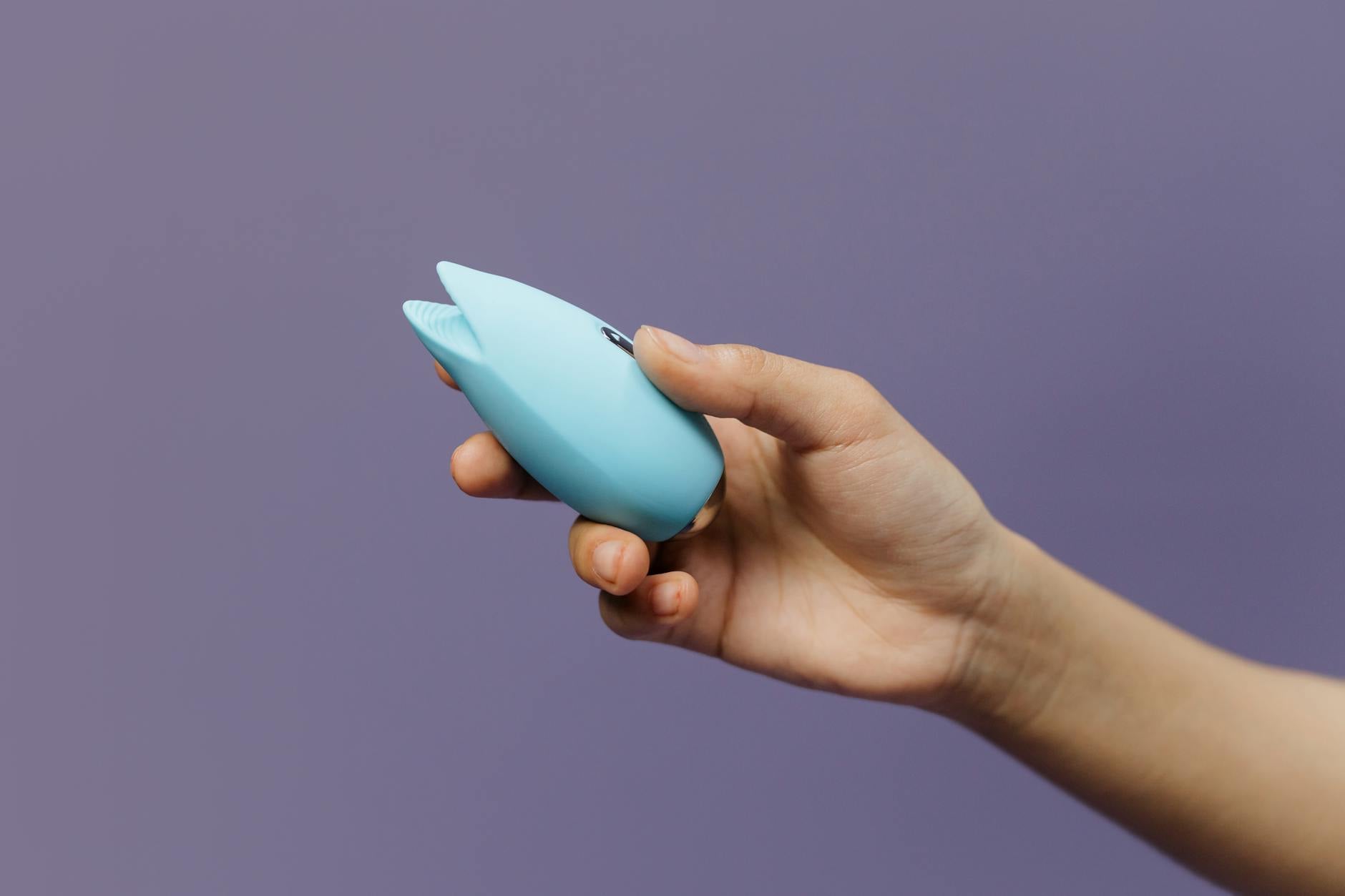
Air-suction lemon vibrators like the Lem work through pulse and pressure, not pure frequency. This mimics the mouth more closely than any other toy does. That matters because oral contact uses a completely different neural pathway than vibration. When you switch stimulus types, you're literally talking to your clitoris through a new language.
Most importantly, suction doesn't require the kind of sustained, constant input that vibration does. A pattern of pulse-release-pulse-release is gentler on overworked nerves and allows them to fully reset between stimulations. This is why lemon vibrators feel so different when you're sensitivity-depleted. Your body recognizes the novelty.
The three-phase protocol that works
Sensitivity restoration isn't mystical. It's physiological retraining. Here's the framework I recommend.
Phase One: Pelvic floor reset (1-2 weeks).
Before you even touch a toy, get your pelvic floor to release. Most people with low sensitivity are holding tension without knowing it. Spend five minutes daily breathing into your pelvic floor. Lie on your back, knees bent, feet flat. Inhale for four counts and imagine your pelvic floor softening downward, not clenching upward. Exhale for four counts. This is harder than it sounds if you've been tense for years. Stay with it anyway.
You can also use a jade egg or vulva massage to manually release tension. The goal is to train relaxation, not achieve perfect technique. Just consistency.
Phase Two: Low-intensity reintroduction (2-3 weeks).
Start with your lemon vibrator on its absolute lowest setting. Not pattern 1, but the very start of pattern 1 if you have that option. The Hello Nancy Lem has multiple pressure levels. Begin at the gentlest. Apply the suction cup to your clitoris without any vibration at all. Just hold it there for 30-60 seconds. Let your nervous system remember what touch feels like without demand.
Then, activate vibration at the lowest pulse. Spend 2-5 minutes on this. You're not trying to orgasm. You're trying to wake up nerve endings. This phase often feels underwhelming because you're so used to intensity. That's the whole point. Boredom means the neural pathway is resetting.
Do this three times per week maximum. More is not better here. Rest days allow nerves to integrate stimulus.
Phase Three: Variation and exploration (ongoing).
Once you can feel the lowest settings clearly, you have permission to vary. Try different patterns. Try different positions. Try using it with a partner. Try it during different parts of your cycle when hormones shift sensitivity naturally. Variety prevents the habituation trap from closing again.
The goal is never to chase intensity. It's to maintain novelty. That's how you keep sensitivity alive long-term.
The role of pelvic floor work alongside stimulation
Sensitivity and pelvic floor strength are connected but separate issues. You can have a strong pelvic floor and zero sensitivity if it's held too tight. Conversely, you can have weak pelvic floor muscles but exquisite sensitivity if you can relax them.
The best protocol combines both. While you're retraining sensitivity with your lemon vibrator, also practice pelvic floor relaxation daily and gentle strengthening 3-4 times per week. Kegels are strengthening. The opposite move, where you actively relax and lengthen the pelvic floor, is equally important. Many people have never done the latter.
If you've had pelvic floor surgery or dysfunction, <a href="/blog/how-to-use-lemon-vibrator-after-pelvic-floor-surgery">check with your therapist before starting any vibrator protocol</a>. The same tools that restore sensitivity can irritate healing tissue.
Why hormones matter more than most people realize
Clitoral sensitivity shifts throughout your cycle. Right before ovulation, when estrogen peaks, you're usually most sensitive. Right after your period, when estrogen dips, sensitivity often flatlines. This is normal. It's not your body failing. It's your body being biological.
If you have access to hormonal data through tracking apps or testing, you can use this information strategically. Use your lemon vibrator during naturally sensitive phases while you're retraining. This makes the phase-two reintroduction easier because your body is already cooperating.
If you're on hormonal birth control and sensitivity has tanked, this might be worth discussing with your doctor. Not all hormonal methods flatten sensation equally. Sometimes switching formulations or delivery methods (pill to patch, for example) makes a measurable difference. <a href="/blog/why-lemon-vibrators-feel-so-different-during-your-cycle">Your hormonal cycle directly affects how clitoral vibrators feel</a>, so understanding this relationship matters.
Stress and cortisol: the invisible sensitivity killer
I can't overstate this. Chronic stress shuts down genital blood flow. This isn't metaphorical. Cortisol constricts blood vessels. Less blood means less nerve activation potential. You can have the best lemon vibrator in the world and still feel nothing if your nervous system thinks you're in danger.
Before you do phase-one pelvic floor work or phase-two sensitivity retraining, assess your actual stress load. Are you sleeping? Are you exercising? Do you have five minutes of genuine quiet daily? These are not luxuries. They're prerequisites for genital sensation.
If stress is the root cause, the vibrator alone won't fix it. You need stress management first. The lemon vibrator becomes a tool that works once the nervous system calms down.
When sensitivity loss signals something medical
If sensitivity loss appeared suddenly, if it's accompanied by pain, or if it's only on one side of your clitoris, see a gynecologist. Rarely, numbness can signal nerve damage, localized inflammation, or other conditions that need medical attention.
The protocol I've outlined works for habituation and normal sensitivity decline. It doesn't work for medical issues. Know the difference.
Most sensitivity loss is psychological or physiological habituation. It responds beautifully to the approach above. But don't skip a doctor visit just to prove you can fix it alone.
The patience part
Sensitivity restoration takes weeks, not days. Your nervous system doesn't reset on a schedule. Some people feel dramatic improvement in two weeks. Others need six. This depends on how long you've been numb, your stress level, your hormone status, and your individual nervous system.
Stay consistent during this window. Use your lemon vibrator on the phase-appropriate setting. Do your pelvic floor work. Don't skip to intensity just because you're impatient. The whole point is teaching your body that pleasure doesn't require pain or intensity. That's the skill you're retraining.
Once sensitivity returns, maintaining it is easier than recovering it. Vary your stimulation. Don't live in one pattern forever. Use novelty as your long-term strategy.
FAQ: Sensitivity and lemon vibrators
Why does my clitoris feel numb even though nothing physically changed?
Habituation is the most common reason. Your nervous system adapts to repeated stimulus. If you've been using the same toy at the same intensity for years, your clitoris stops registering it as novel. Stress, hormones, and pelvic floor tension make this worse. Switching to an air-suction lemon vibrator introduces a completely different stimulus type, which is why many people feel sensation return immediately.
Can sensitivity come back if it's been gone for years?
Yes. I've worked with people who had been numb for a decade and recovered full sensation in four weeks with the protocol above. The nerve endings are still there. They're just not being activated. Retraining is possible at any age.
Is low sensitivity a sign that something is wrong with me sexually?
No. It's a sign that your nervous system is adapting to its environment the way nervous systems do. You're not broken. You're not less sexual. You're experiencing normal physiology responding to stress, hormones, or habit patterns. That's completely fixable.
Should I use numbing cream or desensitizing products?
No. These make the problem worse. You're trying to wake up sensation, not suppress it further. Numbing products are the opposite direction.
How often should I use my lemon vibrator during the sensitivity-recovery phase?
Three times per week maximum during phases one and two. More frequent use doesn't speed recovery. It can actually delay it by not allowing your nervous system adequate rest. Once you're in phase three, you can use it as often as feels good, but maintain variation to prevent habituation from returning.
Can partners help with sensitivity recovery?
Yes, if you're both on the same page. Manual stimulation and oral sex during your recovery phase are actually excellent because they introduce different sensation types. The key is that your partner understands the goal isn't orgasm. It's reawakening nerve endings. That removes performance pressure, which is often part of the problem.
Your sensitivity is recoverable
Clitoral numbness feels permanent until it isn't. The nervous system is plastic. It rewires. You can retrain sensation, usually faster than you'd expect. The combination of pelvic floor release, air-suction lemon vibrators, and varied stimulation works because it addresses the actual problem instead of just chasing intensity.
Start with phase one. Give it the time it deserves. Your clitoris is waiting to feel alive again.
If you're ready to explore sensitivity recovery with the right tool, <a href="/contact">reach out</a>. We're here to help you find what works for your body.