Here's what nobody tells you about clitoral numbness
Hormonal shifts make your clitoris feel like it's been turned off at the dimmer switch. Not gone. Dimmed. And the weird part? You'll keep reaching for the same intensity that used to work, wondering why nothing lands anymore.
This happens because estrogen, testosterone, and progesterone all directly affect blood flow, nerve sensitivity, and tissue thickness in the clitoris. When those hormones drop, the tissue thins, sensation dulls, and arousal takes longer to build. It's not psychological. It's not because you're aging out of pleasure. It's biochemistry.
Here's the good news: clitoral sensitivity is highly recoverable. You don't need medication. You don't need acceptance speeches about aging. You need three things: the right stimulation pattern, better blood flow, and the specific tools that work with your new physiology, not against it.
Why hormonal changes numb the clitoris in the first place
Your clitoris is packed with nerve endings, and those nerves are estrogen-dependent. Estrogen keeps the tissue plump, keeps blood vessels responsive, and helps those nerve endings fire at normal speed.
When estrogen tanks (whether from menopause, hormonal birth control, breastfeeding, or stress), three things happen simultaneously. The clitoral tissue thins because it has less structural support. Blood flow becomes sluggish because blood vessels lose their elasticity. And the nerve endings themselves become less responsive because the hormonal environment they evolved to work in has changed.
Does this mean you can't feel pleasure? Absolutely not. It means the signal is quieter and takes longer to reach the brain.
Add to this the fact that many people unconsciously grip harder or increase intensity as sensation dulls, which creates a vicious cycle. You grip tighter, the tissue gets irritated, sensitivity drops further, and suddenly you're chasing sensation that's moving away from you.
The single most important thing that changes everything
Blood flow.
Your clitoris runs on blood. When blood flow is robust, tissues plump up, nerves fire faster, and sensation snaps back to clarity. When blood flow is sluggish, tissue stays thin and nerves respond slowly.
Two things restore blood flow immediately. Cardiovascular exercise (your nervous system learns to vasodilate again during and after cardio) and specific types of stimulation that activate the parasympathetic nervous system rather than aggressive straining.
This is why high-intensity wand vibrators often backfire when sensitivity is already compromised. They demand that you grip harder to feel them. Your pelvic floor tenses. Blood vessels constrict. The opposite of what you need.
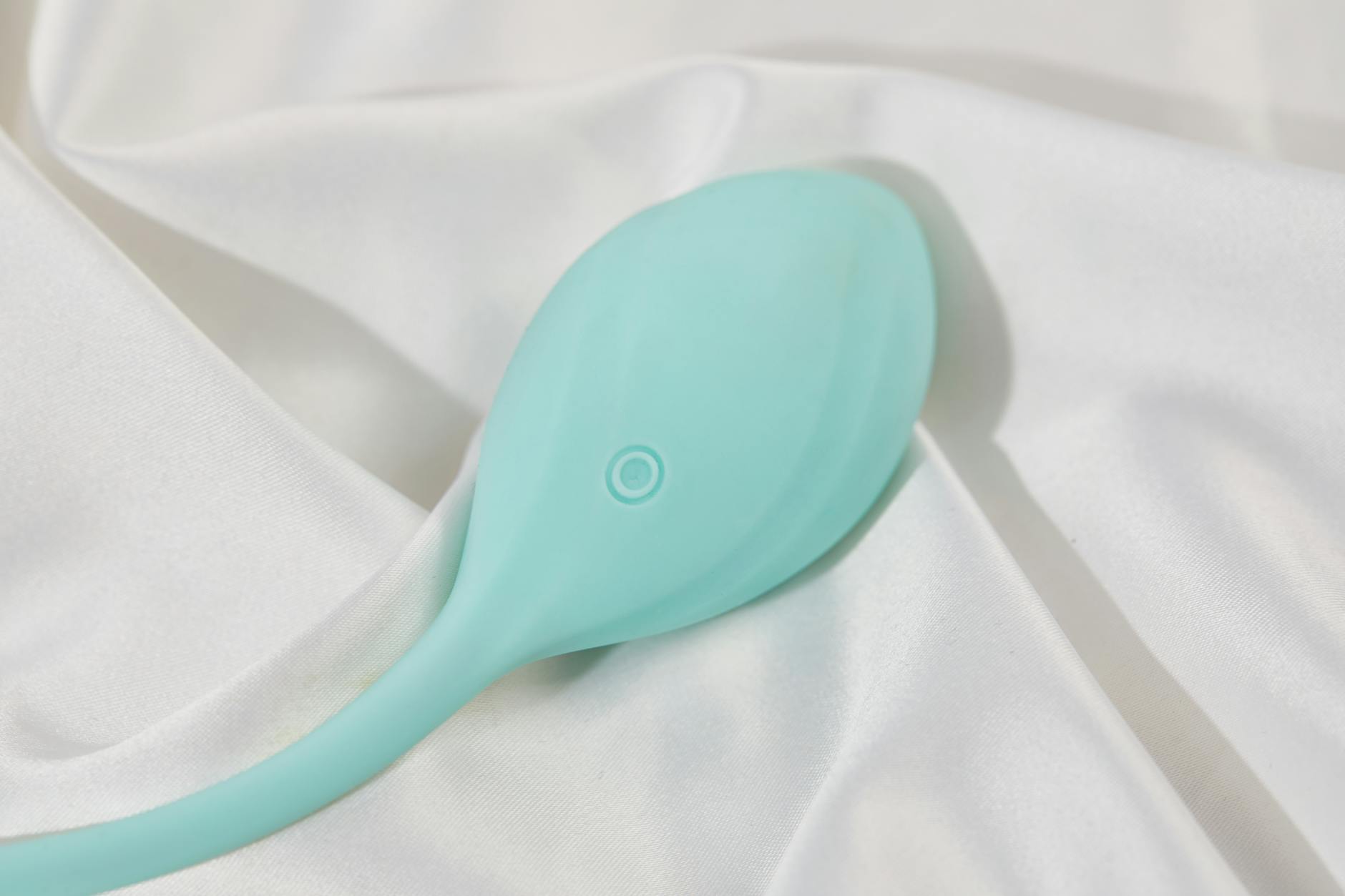
Lemon clitoral vibrators, by contrast, use gentle suction and pulsing patterns that coax blood vessels open without requiring white-knuckle pressure.
Why lemon vibrators work better for recovering sensitivity
Most vibrators rely on amplitude (the height of the vibration). Lemon suction vibrators rely on pulse and rhythm.
Here's the biomechanics: when you use a suction-based clitoral vibrator like the Lem, you're not asking your tissue to vibrate at a certain frequency. You're creating a gentle pressure wave that draws blood into the clitoris and then releases it in a rhythm. This mimics what happens during natural arousal.
For someone with dulled sensitivity, this is revolutionary. You get consistent stimulation without needing to increase intensity. You don't have to grip. Your pelvic floor can stay relaxed. And the gentle pressure creates consistent vasodilation, which means each session builds on the last one.
Over 3-4 weeks of regular use, blood flow improves, tissue plumps back up, and sensitivity returns. This isn't mystical. It's basic vascular physiology.
Wand vibrators, meanwhile, are designed for someone with normal clitoral sensitivity. They send intense vibrations through the tissue, which is wonderful if you're responsive. If you're not, they become frustrating because you have to work harder and harder to feel anything.
The protocol that actually restores sensation
Honestly though, recovery has three steps, and most people skip the first one.
Step one: Lower intensity intentionally.
If you've been using a wand on maximum, drop it to 2 or 3. If you've been white-knuckling a partner, ask them to use lighter pressure. This feels counterintuitive (you'll want to go harder), but your nervous system is trained to chase intensity right now. You have to break that pattern first.
Spend a full week at this lower intensity. Your body will hate it. Do it anyway.
Step two: Add a tool that works with your current sensitivity, not against it.
If you're starting from zero sensitivity, a clitoral suction vibrator is the move. The Lem or a similar lemon suction device gives you the stimulation without the demand. Start on the gentlest setting. Use it for 5-7 minutes at a time.
Don't expect orgasm right now. You're rebuilding a conversation between your nervous system and your clitoris. This takes patience.
Step three: Add cardiovascular movement to your week.
Walking counts. Running counts better. Cycling is ideal because it increases blood flow to the pelvic floor specifically. Aim for 20-30 minutes of elevated heart rate 3-4 times per week. This alone will restore clitoral blood flow faster than anything else.
When to check in with a healthcare provider
If you've followed this protocol for 8-12 weeks and sensitivity hasn't budged at all, get evaluated. Sometimes clitoral numbness signals an underlying issue like diabetes, a medication side effect, or hormonal imbalance that needs treating.
If numbness appeared suddenly after starting a medication, talk to your prescriber about alternatives. SSRIs and antipsychotics are notorious for dampening sensation. Sometimes a dose adjustment or a different drug solves it.
If numbness is paired with pain, dryness that doesn't respond to lubricant, or tissue that looks pale and thin, bring this up with a gynecologist or menopause specialist. You might be a candidate for topical hormone therapy or other targeted treatments.
The emotional part nobody mentions
Clitoral numbness hits different than other pleasure shifts because it's so direct. You can't hide from it. You can't reframe it as something else.
Many people experience shame during this phase. The story becomes "I'm broken" or "I'm too old" or "My body doesn't work anymore." And then they stop trying, which is the worst possible choice because movement and stimulation are literally what restore function.
Here's what's actually true: your body is responding exactly as it's supposed to, given the hormonal environment it's in. And that environment is not permanent.
If you have a partner, this is also a moment to communicate clearly. "My clitoris feels numb" is a statement of fact, not a criticism of your partner's touch. It's not about them. It's about your nervous system recalibrating. Partners often personalize this, which leads to them withdrawing or you withdrawing to protect them. That's the worst outcome.
Instead, frame it as a project you're working on together. Show them the lower intensity. Let them see you using a lemon clitoral vibrator. Normalize that this is a recalibration, not a rejection.
The long-term play
Once sensitivity starts returning (usually week 4-6), you have two options. Keep using the same gentle tool and maintain the new blood flow habits, or gradually introduce more variety.
I recommend the first path for at least 3 months. Let your body settle into the new normal. Feel the baseline of sensitivity restore. Then, if you want, experiment with wands or other patterns.
Many people find that their best sensitivity ever comes after they've fully recovered, because they've learned how to listen to their body instead of just chasing intensity.
FAQs about recovering clitoral sensitivity
Why did my sensitivity drop after starting birth control?
Most hormonal birth control lowers testosterone while keeping estrogen stable. Since testosterone is a major driver of clitoral sensitivity and genital blood flow, dropping it even slightly can numb sensation. This typically resolves 3-4 months after stopping the medication, but you can speed recovery by using cardiovascular exercise and a clitoral suction vibrator during the interim.
Can I fix clitoral numbness without a vibrator?
Yes, partly. Manual stimulation, partner touch, and consistent cardiovascular exercise will restore some sensation over 8-12 weeks. But lemon clitoral vibrators accelerate the process because they provide consistent, pattern-based stimulation that trains your nervous system to respond again. Think of the vibrator as physical therapy for your clitoris.
How long does it actually take to feel normal again?
For most people, noticeable improvement shows up in 3-4 weeks. Full recovery typically takes 8-12 weeks. If you're also dealing with tissue thinning or pain, recovery takes longer (3-6 months), and you might need topical hormone therapy to speed it up.
Does age matter, or is this purely hormonal?
It's purely hormonal. Plenty of 20-year-olds lose sensitivity due to birth control or stress hormones. Plenty of 60-year-olds have robust clitoral sensitivity. The age matters less than what's happening with your hormones.
Should I use lubricant with a clitoral vibrator if I have numbness?
Absolutely. Even though you're numb, the tissue is still sensitive to friction. Water-based lubricant reduces irritation and allows the vibrator to glide, which means you're getting the suction sensation without any dragging. This matters a lot.
Is clitoral numbness permanent?
No. It's reversible in nearly every case. The only exception is if there's permanent nerve damage from surgery or trauma, which is rare. If you've ruled out medical issues and followed the protocol above, sensitivity will return.
The bottom line
Clitoral numbness after hormonal shifts feels permanent because it's so immediate and total. But it's not. It's your nervous system responding to a changed chemical environment.
Three things will bring sensitivity back: lower intensity than you think you need, consistent cardiovascular movement, and the right tool (lemon clitoral vibrators work best for this phase). Give yourself 8-12 weeks. Move your body. Use tools that coax sensation back instead of demanding it. And if nothing shifts after 12 weeks, get evaluated by someone who knows their stuff.
Your clitoris isn't broken. It's just waiting for you to meet it where it is right now.