Let's be real about the gap
Months or years of solo play can feel like climbing a mountain. You know your body. You know what works. You've built a rhythm with yourself that's reliable, satisfying, and yours alone. Then comes the transition back to partnered sex, and suddenly nothing feels quite the same. The pressure shifts. The timing changes. Your body might respond differently to a partner's touch than it does to your own. This isn't failure. It's recalibration.
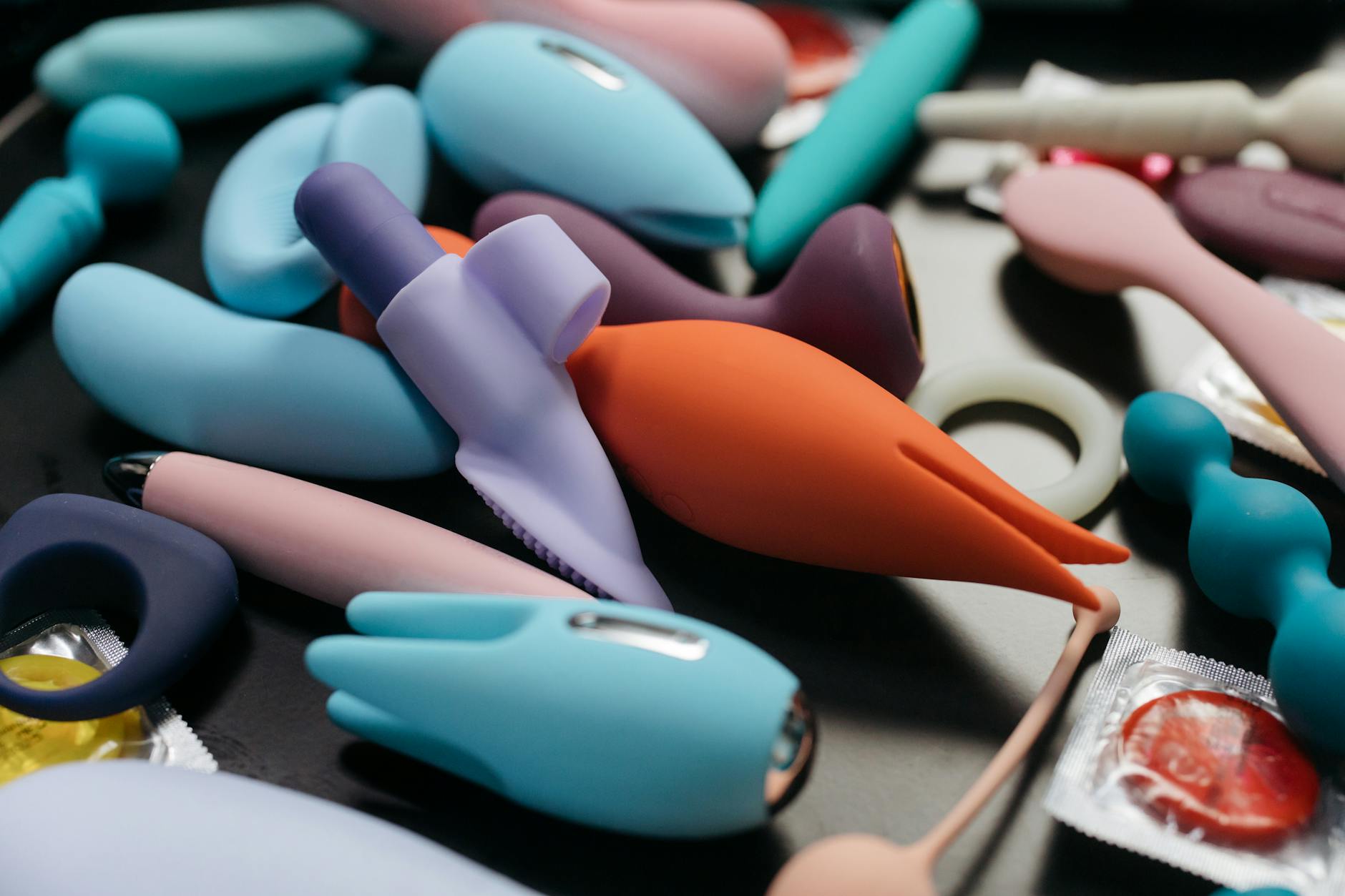
Here's what I see in my practice: people returning to partnered intimacy often feel caught between two worlds. Solo pleasure has its own logic. Partnered sex has a completely different one. A lemon vibrator, specifically a clitoral vibrator like the Lem, can actually help you bridge that gap instead of pretend it doesn't exist.
Why your body's response will feel different
When you're alone, you control the pressure, timing, pace, and angle. Your nervous system is your own. But with a partner, there's another person's presence, rhythm, and energy in the room. That's not bad. It's just different, and your body registers that difference immediately.
Three things usually shift:
Your arousal pattern changes. Solo play often starts with direct stimulation and builds quickly. Partnered sex usually needs more foreplay, eye contact, conversation, and what I call "ambient closeness." Your brain is doing more work, which means your body starts from a different baseline.
Your pleasure response becomes collaborative. When you're alone, an orgasm is yours to take. With a partner, there's often an unspoken negotiation happening. Will they watch? Will they participate? Are you both building toward the same moment, or are you on different timelines? That mental overhead changes everything physiologically.
Clitoral sensitivity can feel muted. If you've been using direct manual or toy stimulation solo, your clitoris has been conditioned to a certain intensity level. A partner's hand or mouth might feel too soft. Their body positioning might not angle quite right. The Hello Nancy lemon vibrator solves this partly through design. Suction-based stimulation (like what you get with a clitoral vibrator) engages nerve tissue differently than direct pressure, so the sensation translates better across contexts.
The conversation you need to have first
Before you bring a toy into partnered sex, you need a different conversation than you think. It's not "Is it okay if I use this?" That invites shame and negotiation. It's something closer to: "I want us to figure out what actually works for both of us. Solo play taught me some things about my body. Let's use that knowledge together."
Many people returning to partnered sex feel guilty about what they've discovered alone. They worry a partner will feel threatened by a lemon vibrator, or by the fact that they know exactly how to get themselves off. That worry is understandable. It's also usually based on a false assumption that your pleasure and theirs are zero-sum.
Here's what I tell my clients: a partner who feels threatened by your pleasure isn't scared of the toy. They're scared you'll discover you don't need them. But you're not choosing between solo pleasure and partnership. You're integrating them. A clitoral vibrator is actually a tool for that integration, not a wedge between you.
How to introduce it without the awkwardness
Start with curiosity, not performance. "I want to show you something I found works for me" is different from "I need this to come with you." One invites partnership. The other introduces pressure.
Use the lemon vibrator during foreplay while you're both present and playful. Not as the finale. Not as the only way you'll have an orgasm. As part of exploration. You might use it on yourself while your partner is inside you. You might hand it to them and show them the patterns you like. You might use it together while you're touching them too. The point is integration, not replacement.
Pattern matters more than intensity at first. The Lem and similar lemon clitoral vibrators have multiple intensity settings and patterns. Start at a pattern your partner can understand and follow, not the highest intensity. Let them feel what you're experiencing. This shared attention is often what people actually miss after extended solo play. Not the orgasm itself, but the presence.
Speed of return is your call. Some people integrate a toy into partnered sex immediately. Others need weeks. There's no timeline. The pressure to "be back to normal" quickly is part of why this transition gets stuck.
What happens to desire when you're rebuilding
Extended solo play often means your desire has been meeting its own needs. You've been satisfied. That can shift how you feel about partnered sex. You might feel less urgency. Less hunger. This sometimes reads as low libido, but it's not. It's the absence of pressure combined with the satisfaction of agency.
When you return to partnered sex, desire doesn't automatically snap back to what it was before solo play. It rebuilds differently, often more slowly. This is actually useful information if you don't interpret it as failure.
Using a lemon vibrator with a partner can help recalibrate desire because it brings back the element of discovery. You're not just receiving stimulation from your partner. You're showing them something new about yourself. You're involving them in your pleasure, not just asking them to produce it.
Some people find that combining a clitoral vibrator with partnered stimulation actually increases desire because the sensation is more complex. Your clitoris is engaged in one way. Your partner is touching you in another. Your nervous system gets more signal, more feedback, more reason to wake up.
The logistics that actually matter
Four practical things make a huge difference:
Use water-based lube. It works with silicone toys, it doesn't dry out, and it changes the sensation enough that partnered sex with a toy feels distinct from solo play. That distinction is good. It keeps them separate in your brain while you're integrating them in your body.
Position for comfort, not performance. If you're using a lemon vibrator during partnered sex, neither of you should be contorted. You're both learning something new. Comfort means you can actually pay attention.
Keep the toy accessible but not mandatory. Have it nearby. Use it sometimes. Don't use it other times. The goal isn't to make it essential. It's to make it an option that enriches what you already have.
Communicate in real time. "That feels good" or "I want more pressure here" or even "This doesn't feel right today" keeps both of you in the loop. After extended solo play, people often forget that partnered sex is supposed to include feedback, not just surrender.
When it's not about the toy at all
Sometimes people think the issue is the toy when the real issue is something deeper. Extended solo play can mean you've been avoiding partnership for emotional reasons. Shame, resentment, grief, disconnection. A clitoral vibrator won't solve those.
If returning to partnered sex feels impossible, not just awkward, that's worth exploring separately. With a therapist. With your partner. Not by buying more toys. Toys are useful for pleasure. They're not useful for processing why pleasure feels unsafe in partnership.
If you're rebuilding after infidelity, for example, a lemon vibrator might help with physical reconnection. But it won't rebuild trust. If you're coming back from relationship trauma, clitoral vibrators can help your body remember pleasure. But they can't help your mind forgive.
Use tools for what they actually do. Not as substitutes for harder conversations.
Recalibrating what partnership means now
Extended solo play changes you. It makes you more independent. More aware of your own body. More honest about what actually feels good. These are all good things. They don't make partnership harder. They make it possible, actually, because you show up knowing who you are.
The transition back isn't about returning to what you were before solo play. It's about integrating what you learned about yourself into a shared space. A lemon clitoral vibrator is one tool for that. Conversation is another. Patience with yourself is essential.
Most couples I work with find that the awkward phase lasts about four to six weeks. Then something shifts. The toy becomes normal. The rhythm becomes theirs. The pleasure becomes shared in a way that doesn't erase the independence solo play taught you.
You're not choosing between solo and partnered. You're learning to have both. A clitoral vibrator just makes that integration feel less like failure and more like discovery.
People also ask
Will using a lemon vibrator make my partner feel replaced?
Not if you frame it as collaboration, not competition. Your partner might feel insecure at first, especially if you were solo for a long time. That's normal. What matters is whether you're willing to show them this is about expanding pleasure together, not replacing them. Use the toy with them present, with their hands on you too, with their attention involved. That changes the entire emotional tone.
How long should I wait after returning before introducing a clitoral vibrator?
There's no rule. Some couples integrate toys immediately. Others wait until they've rebuilt some baseline comfort and rhythm. I usually suggest waiting until you've had partnered sex a few times and you both feel less awkward. Then introduce the toy as "I want to try something" not "I'm not satisfied." The timing matters less than the framing.
What if my partner doesn't want toys involved at all?
Then that's a conversation. Not "I'm using this anyway." But genuinely exploring why. Is it insecurity? Religious belief? Bad past experience? Different preferences? Once you understand the real reason, you might find compromise. Maybe a lemon vibrator only when you're alone together. Maybe they use it on you, which feels different to them than you using it yourself. Maybe they genuinely don't want it, and that's their boundary. Respect it, and find other ways to rebuild pleasure together.
Can a lemon clitoral vibrator help if I've lost sensation during solo play?
Sometimes. If you've been using high-intensity direct stimulation solo, your clitoris might have built up a tolerance. A suction-based lemon vibrator works differently than direct pressure, so it can feel fresher, more novel. But if sensation is genuinely numbed, that's worth discussing with a doctor. It's not always a toy issue. It can be medical, neurological, or emotional.
Should I tell my partner exactly how I used to pleasure myself?
Not unless you want to. The details of solo play are yours. You don't owe a play-by-play. What matters is what you want now, in partnership. "I know I like this pattern" is different from "I spent three years doing this specific thing alone." Keep some mystery. Share the useful information.
Is it normal to feel less interested in partnered sex than solo play?
Completely normal. Solo play is predictable. You control everything. Partnered sex is collaborative, which means less control and more variables. That can feel less satisfying at first. But it often feels more connecting over time, which is a different kind of satisfaction. Give yourself permission to notice the difference without judging it. Both can be good.
Returning to partnered sex after extended solo play isn't about forgetting what you learned about yourself. It's about bringing that knowledge into partnership and letting it change both of you. A lemon clitoral vibrator like the Lem can help with that integration. But the real work is the conversation, the patience, and the willingness to build something new instead of trying to rebuild something old. That's the bridge.
If you're navigating this transition and need more support, reach out. Sometimes having a framework outside your own anxiety helps.