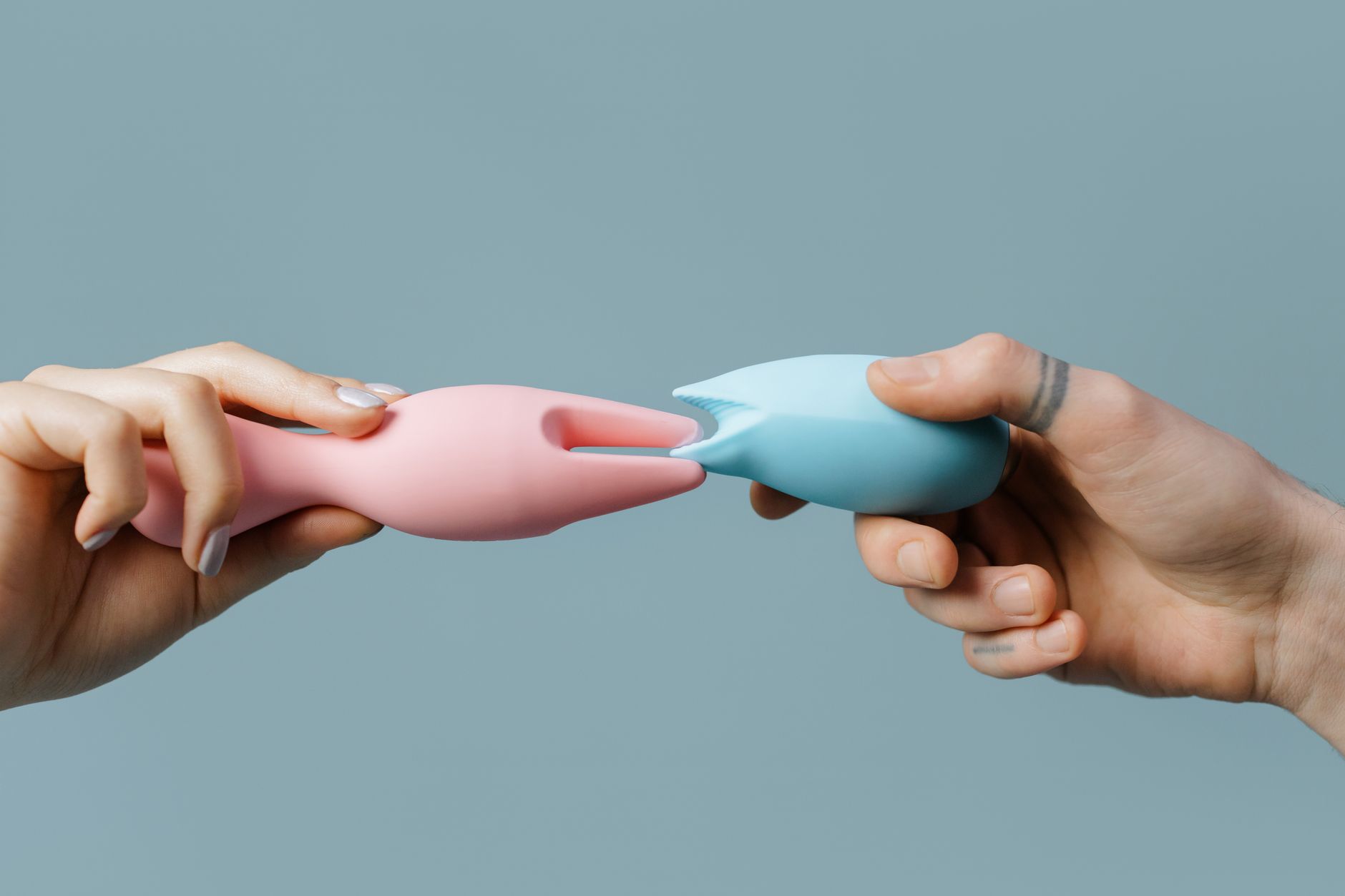
Let's start with permission
Recovering from sexual trauma isn't linear. Some days you feel like yourself. Other days your body feels like it belongs to someone else. That's normal. And if you're considering exploring pleasure again, on your own terms, that's brave. You don't need anyone's approval, but I'm giving it anyway.
Using a lemon clitoral vibrator during recovery isn't about performance or intensity. It's about agency. It's about learning, slowly and safely, that your body can feel good because you chose it. Not because someone else demanded it.
Why a lemon vibrator works for trauma recovery
Here's what makes a lemon clitoral vibrator different from partnered sex or other toys. The Lem's suction-based design means you're not replicating penetration or the sensation of being touched by someone else. You're creating a totally new sensation that belongs only to you.
That matters. Trauma lives in the body. Your nervous system learned to brace, to dissociate, to protect itself. When you use a toy that feels fundamentally different from the touch that hurt you, your brain isn't triggering the same alarm response. A lemon sucker creates stimulation without the context of pressure or invasion. It's gentle, controllable, and completely separate from what happened.
Second, you control everything. The pattern, the intensity, the duration, the stopping point. You can pause mid-session and just sit with the sensation. You can turn it off the second something feels wrong. That autonomy is healing in itself.
Building a safety foundation first
Before you even touch a lemon vibrator, you need a container. Not in a mystical sense, but practically.
Choose a specific time and place where you won't be interrupted. Not your bedroom if that space feels loaded. A bathroom, a guest room, somewhere neutral. Set a timer for 15 minutes max. Your nervous system is rewiring itself. Short sessions prevent overwhelm.
Have water nearby. A blanket or comfortable clothing that you can pull on immediately if you need to ground yourself. If you're working with a therapist, consider scheduling solo exploration sessions the day after a therapy appointment, when you have support nearby.
Some trauma survivors find it helpful to write a simple permission slip beforehand. "I am choosing this. I can stop whenever I want. This is for me." It sounds small. It changes everything.
The first session: meeting the toy
Don't expect an orgasm. Don't even aim for arousal. The first session is just introduction.
Take the lemon clitoral vibrator out of the box. Hold it. Look at it. You're allowed to feel awkward or neutral or even repelled. Those feelings are information, not failure. If it feels wrong, you stop. That's the whole point.
Next session, turn it on at the lowest setting in a non-intimate context. Hold it against your arm or your hand. Get used to the sound, the vibration pattern, the feel of something that's entirely neutral touching your skin. This is called sensory desensitization. It's boring, and that's exactly what you want.
Do this three or four times across separate days. Your nervous system is learning: this object is not a threat. It has no agenda. It won't escalate or demand anything.
When you're ready for intimate touch
Arousals looks different in trauma recovery. You might not feel wetness. Your body might not show traditional signs of interest. That doesn't mean you're broken. It means your sympathetic nervous system is still cautious. That's not wrong. That's protective.
Start clothed. Use the lemon sucker through your underwear or pants. The barrier is important. It creates distance. It tells your nervous system: this is happening slowly, with layers of protection.
Choose the lowest setting. Move it around your outer labia only, never inside. Spend 5-10 minutes just exploring. If you feel good, stay there. If something triggers a flashback or a freeze response, stop immediately. No shame. Try again another day.
Honestly, many survivors spend weeks or months at this stage. That's not slow. That's wise.
Moving into direct contact
When you're ready, remove your underwear and try the lemon vibrator directly on your vulva, still on the lowest setting. Focus on the sensation, not on outcome. Notice where it feels good. Notice where it doesn't.
Your body might dissociate. You might suddenly feel numb or far away. If that happens, pause the toy, press your feet into the ground, notice five things you can see. You're here. You're safe. The trauma tried to teach your body that sensation means danger. You're rewriting that story, one sensation at a time.
Some survivors find it helps to use the lemon vibrator while journaling afterward. Write whatever comes: relief, anger, sadness, numbness. Don't edit. Just let it move through your nervous system onto the page.
What intensity patterns support healing
Skip the chaotic, intense patterns. The Lem's gentler rhythm settings (one through three) are your friend here. There's no medal for reaching maximum intensity. There's only your autonomy.
If an intense pattern ever surfaces a memory or a trigger, you have permission to never use it. Pleasure isn't about proving yourself through pain or pressure. It's the opposite.
When orgasm feels wrong or impossible
During trauma recovery, orgasm can feel triggering. Your body might suddenly tense up, or you might feel shame, or you might freeze completely. These are normal nervous system responses. They're not your fault.
If this happens, stop. Put the toy away. Spend a few minutes grounding yourself. Breathe slowly. Let your body settle. Then journal about what happened without judgment.
Some survivors need to work through how to use a lemon vibrator when you feel self-conscious about pleasure long before they can think about partnered sex or even solo orgasm. That's not failure. That's progress.
Partnered considerations
If you're in a relationship or considering one, using a lemon clitoral vibrator solo during recovery is separate from partnered sex. Those are two different conversations.
Your partner doesn't need to be in the room. Your partner doesn't need to know the timeline or the details. This reclamation is yours. But if you do want to eventually include a partner, have a conversation early: "I'm rebuilding trust with my own body. That takes time and safety. Here's what helps."
A partner worth keeping will celebrate your autonomy, not push for speed.
When to involve a therapist
If flashbacks are intense or frequent, if you're dissociating regularly, or if you feel frozen most days, trauma-specific therapy is more important than solo exploration. The lemon vibrator isn't therapy. It's a tool that works best alongside professional support.
Look for therapists trained in EMDR, somatic experiencing, or trauma-focused CBT. They understand how the body holds trauma and can guide you through this kind of reclamation safely.
The long game
Healing from sexual trauma isn't linear. Some weeks you'll feel strong and curious. Other weeks your body will tense up at the slightest touch. Both are normal. Both are part of the rewiring process.
Using a lemon clitoral vibrator is one small part of getting your body back. It's about learning that pleasure can exist on your terms, without pressure, without performance, without anyone else's agenda. That's not just nice. That's revolutionary.
People Also Ask
Can you use a lemon vibrator if you're triggered by touch?
Yes, but you build up to it. Start with the toy in a neutral context (your hand, your arm) before ever using it intimately. This sensory desensitization teaches your nervous system that the object itself is safe. Move slowly. There's no timeline.
What should you do if you have a flashback during use?
Stop immediately. Turn off the toy. Ground yourself: press your feet into the ground, name five things you can see, focus on your breath. It's normal. It doesn't mean you're doing it wrong. Pause exploration for a few days, then try again if you want to.
Is it normal for arousal to feel muted during trauma recovery?
Completely normal. Trauma teaches your nervous system to dampen sensation as protection. As you heal, arousal will often return slowly. Some survivors never feel the same arousal they did before, and that's okay. Pleasure exists in many forms.
Should you tell a partner about using a lemon vibrator during recovery?
That's entirely your choice. Solo exploration during trauma recovery is about your autonomy, not transparency. If you decide to share, do it when you're ready and in a moment when you both feel safe. A partner who respects your healing won't pressure you for details.
Can lemon clitoral vibrators help after specific types of sexual assault?
Every trauma is different, and every body responds differently. Some survivors find suction-based vibrators helpful because they feel less invasive than other toys. Others prefer wand vibrators or no toys at all. There's no universal right answer. Your body will tell you what works.
How long does recovery take before pleasure feels normal again?
There's no timeline. Some people rebuild a sense of pleasure within months. Others need years. Your nervous system heals at its own pace. Patient exploration with a lemon vibrator, alongside therapy if needed, honors that pace instead of fighting it.
You're allowed to take your time
Trauma steals things. It takes away safety, autonomy, and sometimes pleasure. Reclaiming pleasure isn't about rushing back to normal. It's about creating something new. Something that belongs to you.
When you're ready to explore, a lemon clitoral vibrator can be a quiet, controllable tool for learning that your body can feel good again. Not because anyone demanded it. Because you chose it. That choice, repeated over time, rewires your nervous system. That's healing.
If you're navigating this and feel stuck, reach out. We're here to support your journey, whatever that looks like. Get in touch if you need to talk through next steps.