Let's talk about the part no surgeon mentions
Your surgeon cleared you to resume normal activity. But what does normal actually mean when you're recovering from pelvic floor surgery? Here's the thing: pleasure isn't frivolous recovery. For many people, reconnecting with sensation is part of healing, not a distraction from it. That said, you need a real timeline and real boundaries, not just "when you feel ready."
I work with people post-surgery who feel caught between their doctor's green light and their own uncertainty about what their body can handle. This guide walks you through that gap.
The timeline: when lemon vibrators are actually safe
Pelvic floor surgery covers a range of procedures. Mesh placement, prolapse repair, tension-free tape procedures, and pelvic floor muscle reconstruction all have different healing windows. Your surgeon gave you one clearance date. Your tissues have a different one.
Generally, most surgeons clear penetrative activity at 6 weeks. External clitoral stimulation is often safe earlier, but earlier doesn't mean immediately. Here's the framework I use with clients:
Weeks 1-4: Hands off externally. Your incisions are healing, swelling is present, and any stimulation sends inflammatory signals to an area that needs to stay calm. This isn't forever. It's the foundation.
Weeks 4-6: Gentle external touch becomes possible if you have zero pain, zero discharge changes, and no signs of infection. This is exploration territory, not arousal territory. Think light fingertip contact, warm hands, nothing that creates friction or pressure yet.
Week 6+: If your surgeon cleared you and you've had two weeks of gentle touch with zero complications, a lemon clitoral vibrator at the lowest setting becomes an option. This is where most people want to start.
The key variable is pain. Pain isn't a sign you're healing or that you need to push through. Pain is information. It means either the tissue isn't ready or you're triggering a protective response in your nervous system. Both need respect.
Why a lemon vibrator works well in recovery
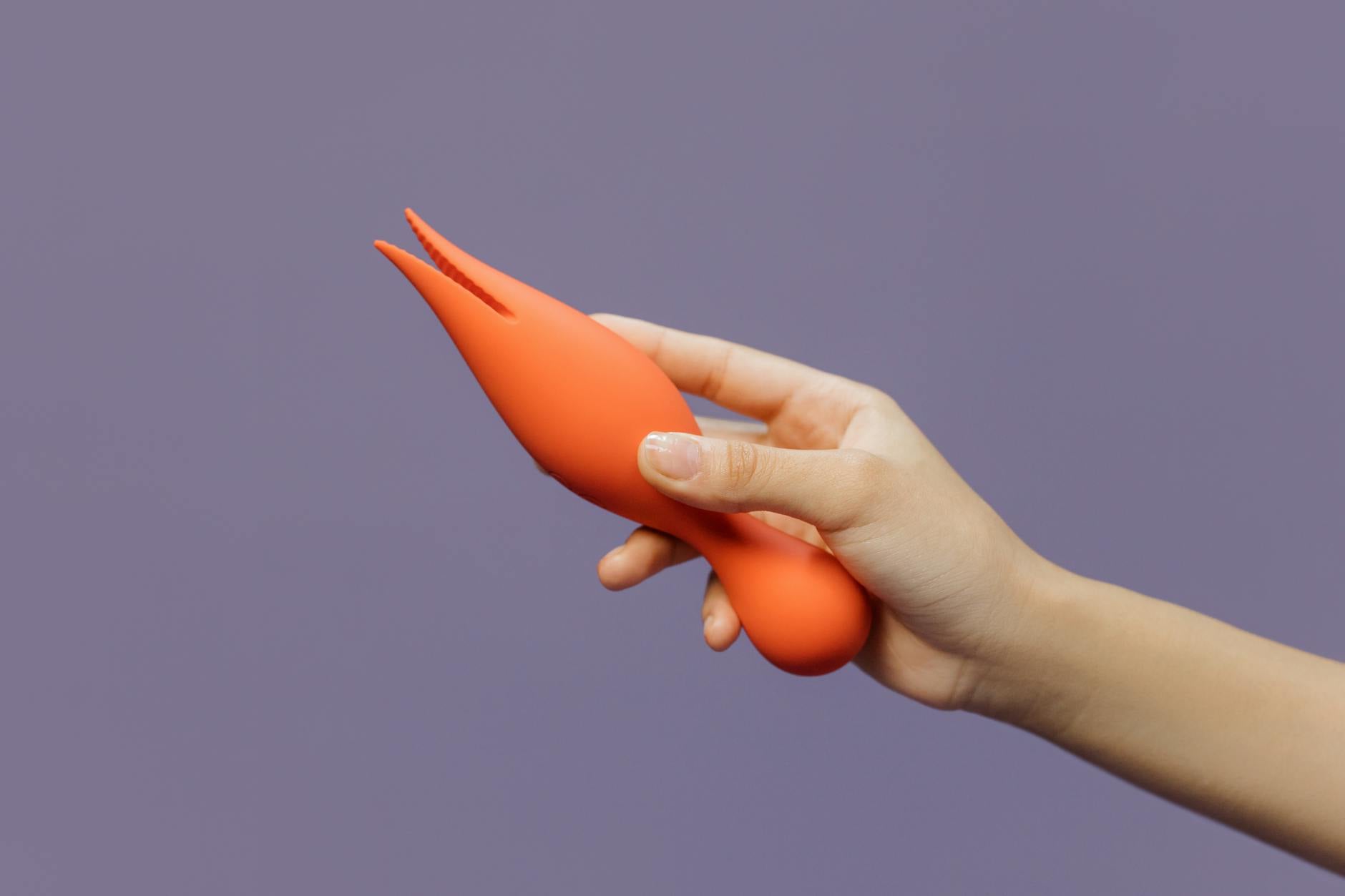
Air-pulse lemon vibrators like the Hello Nancy Lem are gentler than traditional vibration during recovery for one specific reason: they stimulate through suction and pressure rather than friction. Your healing tissue doesn't want friction. It wants gentle, non-directional stimulation.
A traditional vibrator bounces against tissue repeatedly. A lemon clitoral vibrator creates a seal and gentle suction. For post-surgical recovery, that's closer to what your body tolerates.
That said, you're not using it the way you might have before surgery. You're using it as a tool for reestablishing nerve connection and learning what sensation feels safe now.
The four-step protocol for post-surgery use
Start here, and don't skip steps even if you're impatient. Impatience is how people setback their recovery.
Step 1: Inspect and clean (every time, no exceptions). Before any contact, look at the external area. Swelling? Redness? Discharge that smells off? Tenderness that's new? Stop. Contact your surgeon. Assuming everything looks stable, wash with warm water, pat dry gently, and use a clean lemon vibrator or one you've sanitized with toy cleaner.
Step 2: Warm up your nervous system first. Don't jump straight to the device. Spend 5-10 minutes with sensation exploration using just your hands. Notice where feels good, where feels sore, where you've lost sensation entirely. Post-surgical nerve damage is real. Some sensation may return slowly. Some may not. This inventory matters.
Step 3: Start at the lowest setting, away from the incision site. Position the lemon vibrator on the less sensitive external area first (typically the outer labia or mons pubis). Use pattern 1 or 2 on whatever device you have. Spend 2-3 minutes here. Notice: does it feel good, neutral, or uncomfortable? There's a difference. Neutral is fine. Uncomfortable means stop.
Step 4: Progress only if there's zero pain for 48 hours after. After your first session, wait two days. Check for swelling, pain, increased discharge, or any inflammatory response. If everything is stable, your next session can be slightly longer or move slightly closer to the surgical site. Progress in micro-steps. This isn't efficient. It's safe.
What your nervous system is relearning
Surgery interrupts nerve pathways. Healing rebuilds them, but slowly and unevenly. Some women report that sensation returns with astonishing clarity. Others describe numbness that lasts months or becomes permanent in certain spots. Both are normal.
When you're using a lemon clitoral vibrator in recovery, you're not chasing orgasm. You're mapping. You're asking your body: where can you feel this? What does it feel like now? Is there pain or pleasure or neither? The device becomes a teaching tool for you and your nervous system to remember each other.
This is not less important than the post-surgical pleasure you're imagining. It's the prerequisite.
When to pause or stop
Pain during or immediately after is the obvious signal. But there are others. Increased discharge that's not your normal baseline, even if it's not foul-smelling. Swelling that gets worse instead of better. Any sense that your pelvic floor muscles are tensing or cramping defensively.
I also recommend stopping if you notice you're gripping the device or tensing your core during use. That's your pelvic floor saying it's not ready. Paradoxically, the more a muscle has been surgically altered, the more protective it tends to become. You can't think your way out of that. You have to wait it out.
Likewise, if you find yourself avoiding certain positions or sensations out of fear, that's worth discussing with your surgeon or a pelvic floor physical therapist. Some avoidance is wise. Some is habitual protection that's outlived its usefulness.
The mental piece (which doctors forget to mention)
Pelvic floor surgery often carries psychological weight that's as real as the physical recovery. Your body has been opened. It's been repaired. It's not quite the same. That's not dramatic. It's true.
Some people feel disconnected from their genitals for months after surgery. Some feel grief. Some feel relief. Most feel a mixture that doesn't fit neatly into any single emotion.
When you're reintroducing a lemon clitoral vibrator into your recovery, you're not just testing tissue. You're rebuilding a relationship with your body. That relationship might look different now. Your pleasure might feel different. The sensitivity you had before might not return identically.
That doesn't mean it's worse. It means it's new. And new takes time to understand.
Common questions as you're navigating this
Can I use a lemon vibrator if I had an incision internally? It depends on location and depth. If your surgeon placed stitches internally, external clitoral stimulation is typically safe sooner than penetrative use. Ask your surgeon specifically about air-pulse devices on external tissue. Most will say yes at the 6-week mark if healing is on track.
What if sensation feels completely numb down there? Numbness is common and often temporary. It can last weeks to months. Start your nervous system retraining anyway, even if you feel nothing. The device isn't doing the work. Your nervous system is. It needs the stimulus to rebuild pathways, even if you're not aware of it yet.
Is it normal to have pain or cramping when I use a lemon vibrator after surgery? Pain is a signal to stop. Cramping can mean your pelvic floor is tensing defensively. Both warrant a pause. If cramping persists after a few weeks of stopping, ask your surgeon about referral to a pelvic floor physical therapist. They can assess whether the surgery altered your muscle tone in a way that needs intervention.
Can my partner use a lemon vibrator on me during recovery? Yes, but with the same timeline and the same inspection protocol. The advantage is that a partner can move the device more gently and responsively. The disadvantage is that sometimes external pressure from another person can trigger more protective tension than self-touch does. Start solo first. You understand your pain threshold. Your partner is learning it.
What if I'm cleared by my surgeon but I'm still scared to try? Fear is valid. Surgery changes the body-story you've been living in. Rebuilding confidence takes time. Start with very gentle self-touch (no device) and focus on sensation rather than pleasure. If fear persists beyond a few months of healing, talking with a therapist who specializes in pelvic issues can help rewire the protective response.
How long before a lemon vibrator feels good again, not just safe? Pleasure, genuine pleasure, typically emerges around 8-12 weeks post-surgery for many people. But some take longer. Some take much longer. There's no deadline. The moment you stop comparing your post-surgery sensation to your pre-surgery sensation is the moment it often starts to feel good again.
Your recovery is not linear
Some days you'll feel ready to reconnect. Some days you'll feel like you're back to week two. That's normal. Healing isn't a straight line. Neither is rebuilding pleasure.
Use a lemon clitoral vibrator in this phase as a tool for listening to your body, not as a benchmark for how recovered you should be. Your surgeon has their timeline. Your tissue has its own. Your nervous system has yet another. All three matter. The one you can control is how gently and honestly you're paying attention to what your body actually needs right now.
Ready to explore how your body is responding? Start slow, stay curious, and don't hesitate to reach out to your surgeon or a pelvic floor specialist if something doesn't feel right. Your pleasure is worth the patience.