Let's start with the actual numbers
Between 65 and 75 percent of women don't orgasm from penetration alone. That's not a flaw. That's your body working exactly as designed. Your clitoris has 8,000 nerve endings clustered in a space smaller than a pea, and most of them are external. Penetration doesn't typically reach them without help.
What most of us weren't taught is that introducing a lemon vibrator into partnered sex isn't cheating or admitting defeat. It's actually the most direct route to the orgasms you've been chasing.
Why clitoral vibrators work when your partner's fingers don't
Honestly? Your partner's body was never designed to do what a lemon clitoral vibrator does. They're applying pressure and movement with their hands. A vibrator applies rapid, consistent stimulation to the exact tissue that needs it. The difference isn't subtle. It's the difference between trying to paint with your eyes closed and actually looking at the canvas.
A lemon sucker (the signature design of clitoral vibrators) creates suction and pulse patterns that mimic what builds arousal fastest for most bodies. When you combine that with penetration or manual stimulation from your partner elsewhere, you're layering sensations instead of competing for the same nerve endings.
Most people who've never used a lemon vibrator during partnered sex assume their partner will feel threatened or inadequate. That assumption is usually wrong. What actually happens is relief. Your partner stops trying to manually stimulate your clitoris while they're doing something else, which means they can focus on what their body is doing, what your body feels like, and the actual rhythm of connection. Everyone gets to do what they're best at.
Starting the conversation (the part nobody wants to do)
If you've never mentioned toys to your partner, the mental load of that conversation feels heavy. Here's what actually works.
Don't frame it as a problem with them. Don't say "I have trouble orgasming." Say instead: "I've been thinking about how we could both feel better during sex, and I'm curious about trying something together." That shifts it from deficit to exploration.
Show them the vibrator before you try it. Let them hold it. Most lemon vibrators like the Lem are small, elegant, and designed for aesthetic pleasure as much as function. It's not intimidating once someone's actually looked at it.
Explain the practical part: "This means you can focus on what feels good for you, and I can have better orgasms. We both win." That's the actual truth, and it's a good opener.
If your partner is anxious about being "replaced," that's a real conversation but not a toy conversation. That's a deeper intimacy or security conversation that might benefit from working with someone like a couples therapist. A toy isn't a fix for that.
How to actually use it during sex
First time, don't try to coordinate it with penetration. That's too much logistics. Instead, use your lemon clitoral vibrator solo while your partner watches or while you're both just touching each other. Get comfortable with how it feels, what patterns work for your body, and how quickly you can get aroused.
Once you know your own rhythm, then layer it in. The most common pattern is this: your partner enters you, you use the vibrator on your clitoris, and you set the pace together. You're in control of the stimulation you need most, and they're in control of the penetration rhythm.
Start on a lower setting. Most lemon vibrators have 3-6 intensity levels. Many people assume higher is better. It's not. You want enough sensation to feel the pattern clearly, not so much that it becomes numbing.
If penetration feels uncomfortable while you're using the vibrator, slow down or stop. Sometimes adding vibration can make the whole area feel more sensitive, and that can mean different pressure feels intense. That's not a sign to push through. That's a sign to adjust.
The timeline (when to expect actual change)
First time using a lemon vibrator during partnered sex, you might not orgasm. That's completely normal. Your brain is processing something new, and processing uses up arousal bandwidth. Give it 3-4 times before you decide if it's working.
Most people find that after the third or fourth time, orgasms start coming faster and more reliably. By week two or three, the vibrator has become just another part of your pleasure landscape, and your body knows what to do.
If you're used to taking 20 minutes to orgasm with a partner, and now you're taking 12, that's still progress. The goal isn't to become a different person with different neurology. The goal is to feel better and to orgasm more reliably. Both of those things happen.
When your partner wants to hold the vibrator (and why that's worth trying)
Some couples find that having the partner hold the lemon vibrator creates a different kind of connection. You're not managing your own stimulation while they're doing their thing. They're actively participating in your arousal. That can feel more intimate for some people and less intimate for others.
If you want to try it, set clear expectations first. You control where it goes, you control the pressure, you tell them when you want it moved or when the intensity is too much. They're following your lead, not directing. That distinction matters.
When you're rebuilding intimacy after long-distance time, having your partner involved with the vibrator can actually rebuild that sense of partnership faster than using it solo. You're literally demonstrating trust and vulnerability.
What changes emotionally (not just physically)
Here's what I see in my practice most often. When someone starts reliably orgasming during partnered sex because they introduced a clitoral vibrator, something shifts mentally. The orgasm itself feels better because there's less anticipatory anxiety. You're not thinking "will this happen?" You're thinking "this is happening."
For some people, that's the most significant change. The physical pleasure improves, but the emotional freedom improves more. Sex shifts from something that requires you to perform a certain way to something that feels genuinely good.
For partners, the shift is equally real. When they stop taking responsibility for your orgasm and start sharing responsibility, the whole dynamic changes. There's less pressure, more presence, and usually more pleasure on both sides.
When to use it (and when not to)
You don't need to use a lemon vibrator every single time you have sex. Some sessions call for it, some don't. The point is that it's available when you want it. Think of it like foreplay: sometimes you need extended foreplay, sometimes not. Same logic.
If you're in a longer sexual session where you've already had an orgasm and you're exploring more sensation, you might skip the vibrator the second or third time and focus on something else. Your body has different preferences at different arousal levels. That variation is normal.
The only time to not use it is if it's not working for you. Not every body responds the same way to every toy. If you've given it 4-5 honest tries and it's not clicking, that's data. Not all clitoral vibrators are the same. Different sensitivities and body types respond differently to different settings. You might find that a different lemon sexual toy design works better for you.

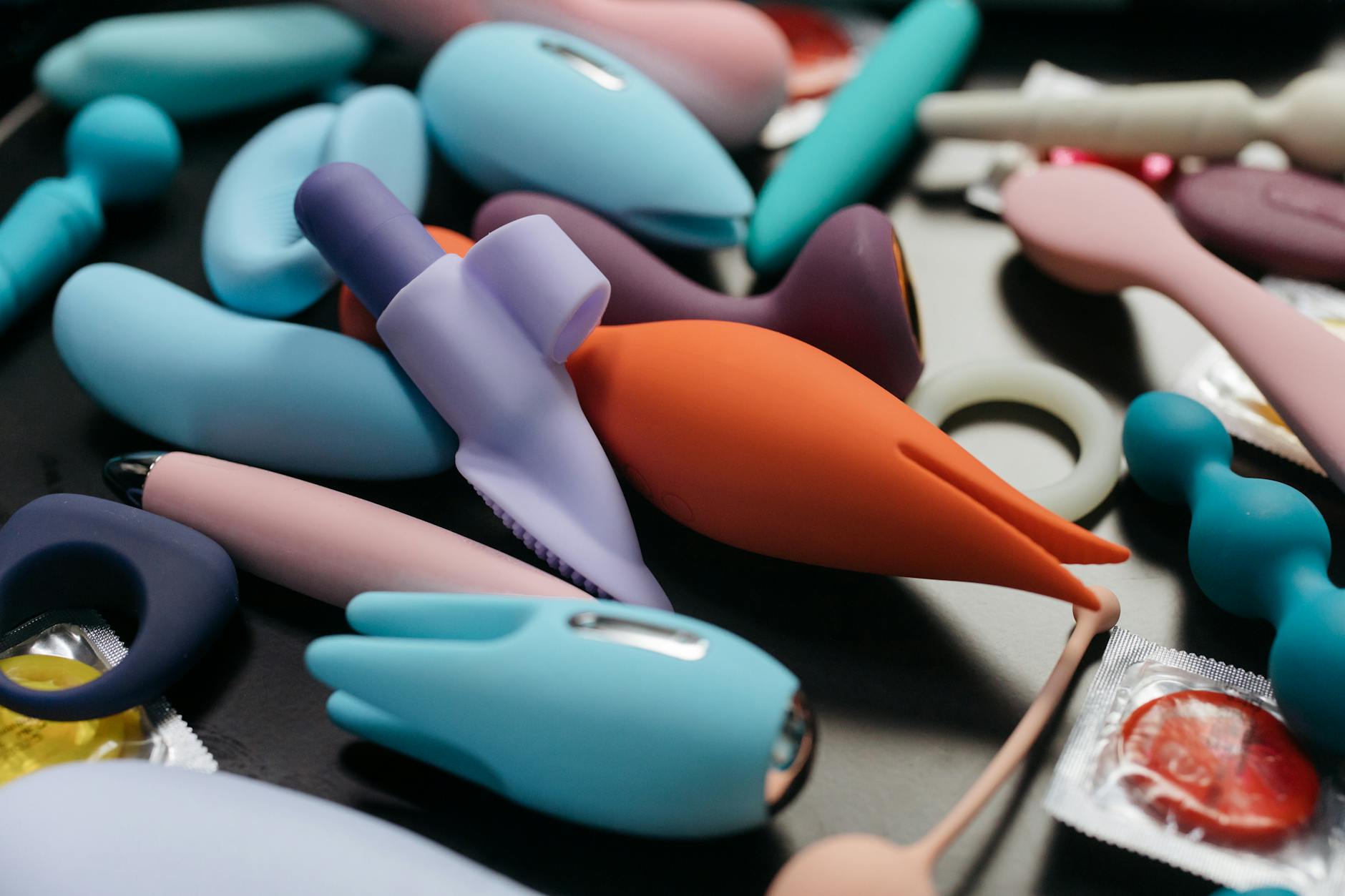
Photo by cottonbro studio on Pexels
What your partner might be feeling (and what to address)
Common worry: "Will they think my body isn't enough?"
Actually: Most partners are relieved. They wanted you to feel good, they didn't have tools to make it happen, and now you do. That's a win.
Common worry: "Are they judging me for wanting this?"
Actually: If they are, that's a partner problem, not a toy problem. A good partner is excited that you've found something that helps you feel better. If yours isn't, that's worth addressing directly or possibly with professional support.
Common worry: "What if they get insecure?"
Actually: That happens sometimes. Here's what helps: when your partner is skeptical or uncomfortable about toys, direct conversation works. You're not replacing them. You're adding a tool that lets both of you enjoy sex more. The vibrator does one thing (stimulate your clitoris efficiently). Your partner does everything else.
If insecurity persists after conversation, couples therapy specifically about this is worth it. This is exactly what a good therapist can help untangle.
The first time you actually orgasm
You might feel different. Some people describe it as more intense, some as different texture but similar strength. Some feel surprised by how quickly it happens after months or years of struggling. None of those responses are wrong.
Your body might react in ways that feel new: different sounds, different muscle tension, different breathing. That's because you're probably more aroused than usual. Your nervous system is responding to reliable, consistent stimulation. That's what a body does when it's actually getting what it needs.
The second orgasm, if you have one, often feels even better because your body recognizes the pattern and relaxes into it faster.
FAQ: Your actual questions, answered
Can I use a lemon clitoral vibrator if I take SSRIs or antidepressants?
Yes. SSRIs can make orgasming harder, and that's frustrating, but a vibrator actually helps level that out. The consistent, strong stimulation cuts through the numbness many SSRIs create. If your medication is making partnered sex feel impossible, mention that to your prescriber. There are sometimes adjustments that help. And in the meantime, your lemon vibrator is your most direct workaround.
What if I orgasm too quickly with the vibrator and my partner isn't ready?
Communicate beforehand. "I want to use this, and I might orgasm faster. Let's do three minutes of penetration first, then I'll turn it on." Or: "Let me know when you're close, and then I'll start using it." Your partner has agency in timing too. This isn't about perfect synchrony. It's about both of you feeling good.
Does using a vibrator make it harder to orgasm without one?
No. Your body can adapt to different types of stimulation. Some people find that once they start using a lemon vibrator regularly, they're more orgasmic overall, even without it. The pleasure pathways are more active. That's actually the most common outcome.
Will my partner feel hurt if I need a vibrator?
The honest answer is: some partners feel insecure temporarily, but most feel relief. A partner who loves you wants you to feel good. This is how you feel better. Frame it as a team solution, not a problem with them. And if they can't get there, that's information about your relationship, not about the vibrator.
How do I keep using it if we're in a long-term relationship and the novelty wears off?
Same way you keep doing anything that feels good. You just... do it. The vibrator doesn't need novelty to work. You need consistent stimulation. That's its entire job. It'll feel as effective in year three as it did in week one.
What's the best lemon vibrator for partnered use specifically?
Look for something with multiple intensity settings so you can adjust on the fly, something with a shape that doesn't block your partner's access to your body, and something whisper-quiet if noise is a concern in your living situation. The Lem is built for exactly this use case. It's small, has multiple settings, and doesn't get in the way.
The actual outcome
When you start reliably orgasming during partnered sex because you're using the right tool, something shifts. You stop bracing. You stop performing. You start actually being there, actually receiving pleasure, actually letting your body do what it's built to do.
Your partner usually feels that shift immediately. When you're more present and more satisfied, they're usually more present and more satisfied too. That's the real change. Not just better orgasms. Better sex. Better connection. All of it, together.
If you're ready to try, start the conversation. If you've been wanting to try but didn't know how, this is your sign. Your pleasure matters. Your orgasms matter. And they're completely within reach.