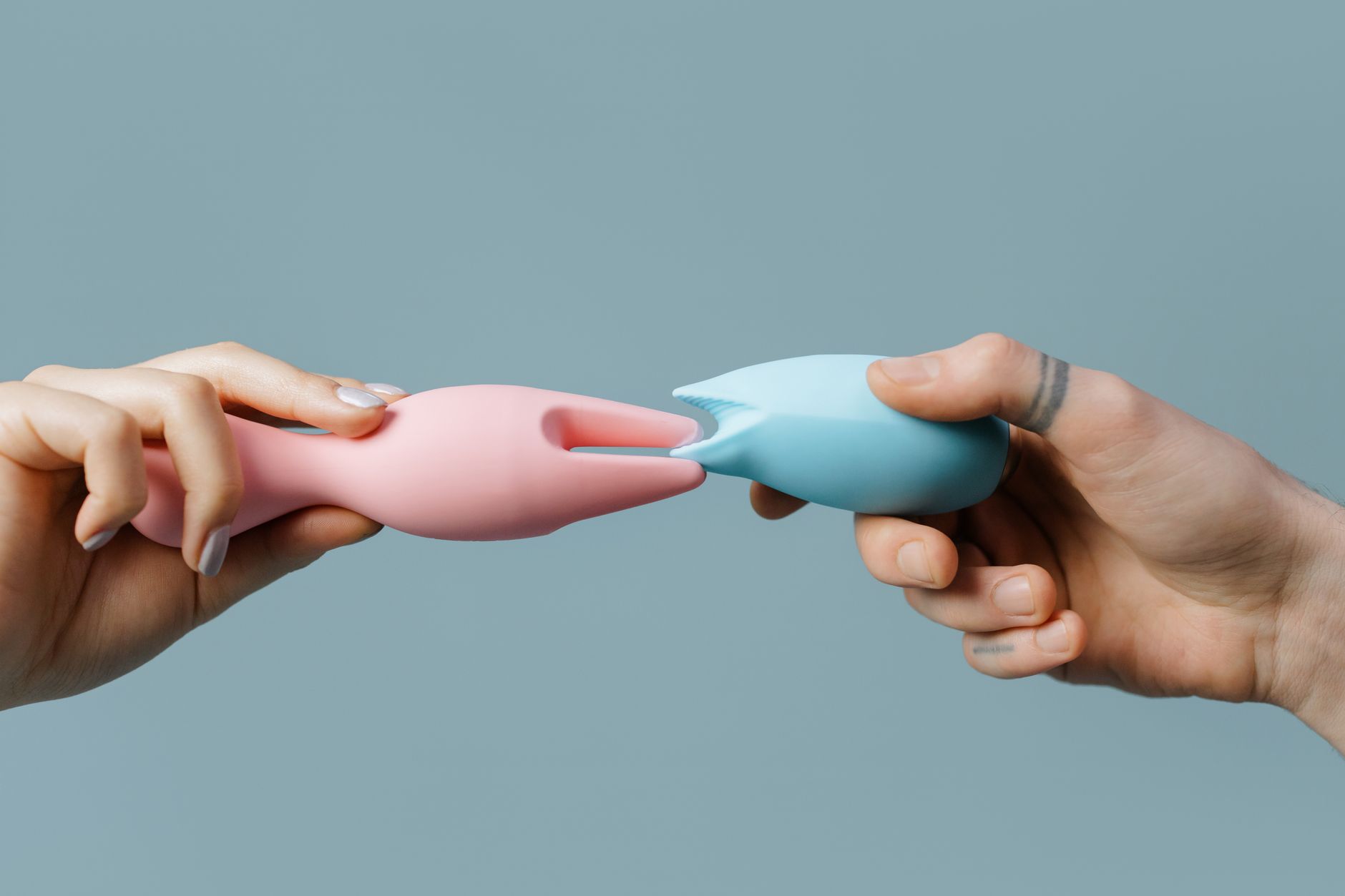
Let's get real about arousal that fades
Arousal doesn't evaporate. It recedes. That distinction matters because most people assume decreased desire means something is broken—either in them or the relationship. Usually it's neither. It's a normal shift that happens around year five of a partnership, after major life stress, during hormonal transitions, or just because your nervous system got used to the same stimulation.
Here's what I see in my practice: the couples who recover arousal aren't the ones who force it back through sheer will. They're the ones who change what they're doing and approach it like a solved problem instead of a failing.
Why arousal actually changes over time
Three neurological reasons your body isn't responding the way it used to.
First: novelty drops. Your brain releases less dopamine when stimulation becomes predictable. After years with the same partner, the same rhythm, the same foreplay, your nervous system files it away as "known." Known is safe. Safe is also boring to your arousal system.
Second: baseline cortisol rises. Life gets heavier. Work stress, family obligations, aging parents, money worries. Cortisol (your stress hormone) suppresses sexual desire. It's not weakness or lack of love. It's biology protecting your energy for survival.
Third: stimulus tolerance increases. Your tissues and nerve pathways adapt to what they experience regularly. This is why the first time something feels electric and later feels fine. Your body is just becoming more efficient—which is useful for everything except pleasure.
None of this is permanent. None of it means you're broken.
Why a lemon clitoral vibrator shifts the dynamic
Let me explain what a lemon vibrator (the Lem, specifically) does differently than fingers or a partner's stimulation.
A lemon sucker uses air-pulse technology instead of vibration. Instead of rattling back and forth, it creates gentle suction waves against the clitoris. For someone whose arousal has flattened, this matters because it's not just different—it's genuinely new to your nervous system.
Your brain releases dopamine to novel stimulation. Even if you've used toys before, switching to a lemon clitoral vibrator resets that novelty window. You're not just getting off. You're experiencing pleasure in a way your body hasn't mapped yet.
The other thing: suction stimulates without direct friction. If arousal has declined partly because sensation feels less intense or you need more pressure than feels comfortable, a lemon vibrator bridges that gap. It provides concentrated, building stimulation that doesn't require the kind of relentless friction that can actually decrease arousal over time (yes, this is real).
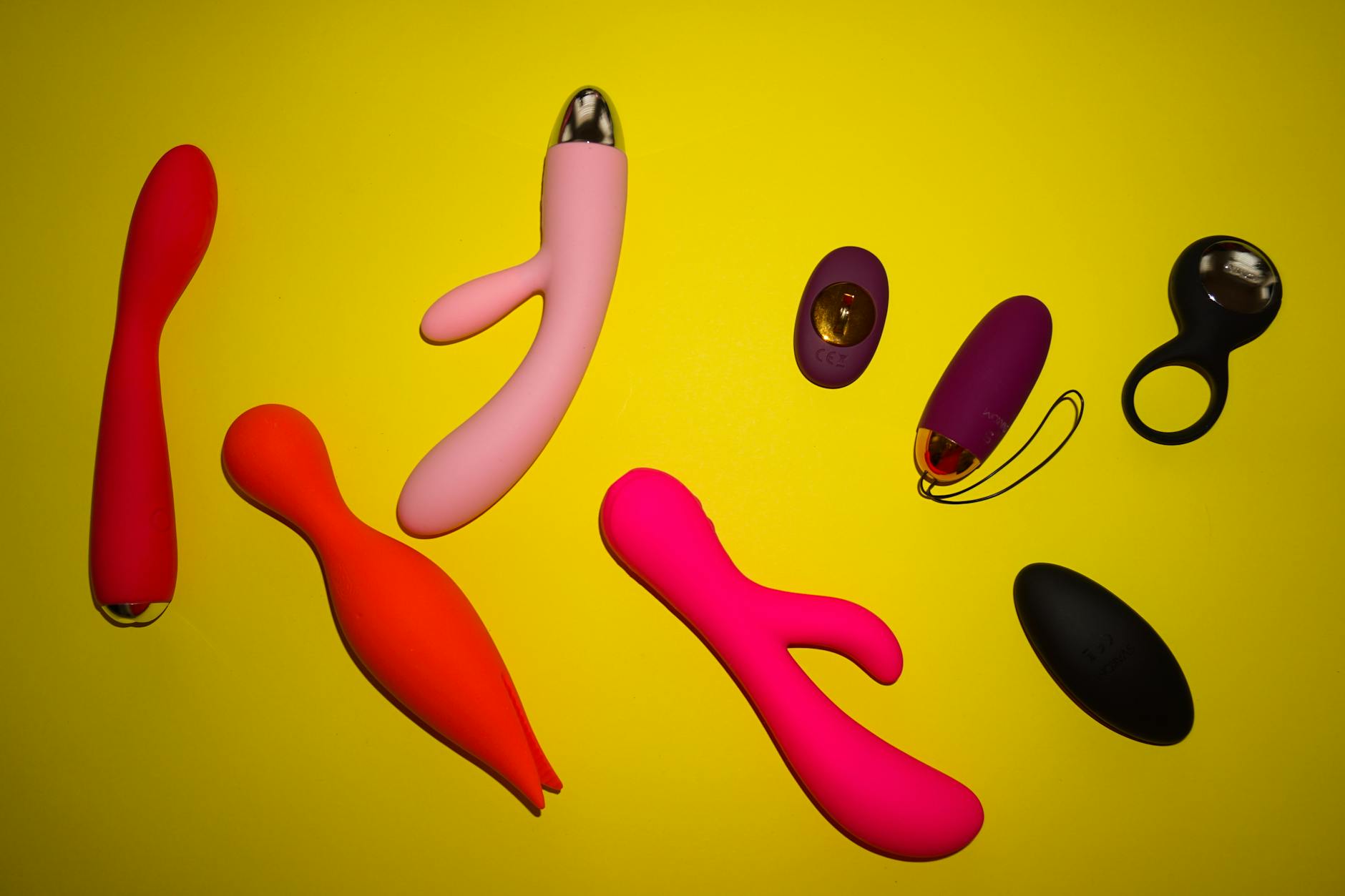 Photo by DRT.fm on Pexels
The practical setup that actually works
Here's where most people fail: they pull out a lemon clitoral vibrator expecting it to work alone. It won't. Decreased arousal isn't solved by a better toy. It's solved by changing your approach to arousal.
Four steps that change the game:
1. Extend your warmup by five minutes minimum. When arousal has declined, your body needs more time to transition into desire. This isn't about foreplay. It's about your nervous system shifting states. Start with non-sexual touch. A shoulder massage. Hand holding. Conversation. Let your body remember what's coming.
2. Start with lower settings. A lemon vibrator has multiple patterns. Most people jump to mode 6 and wonder why it's not working. Start at pattern 1 or 2. Spend five minutes there. Let your body wake up gradually. Arousal builds, it doesn't appear.
3. Build the pattern intentionally. Don't just turn it on and hold it there. Move between settings. Pause. Go back. Your nervous system is responsive to change. Monotony killed your arousal in the first place. Variety brings it back.
4. Stop treating it as a finish line. People with decreased arousal often use toys like they're trying to solve a math problem. Get to orgasm, check the box, done. This actually reinforces that arousal is goal-focused instead of sensation-focused. Sometimes you use a lemon vibrator and have an orgasm. Sometimes you use it and just feel more present in your body. Both are wins.
The relationship conversation that needs to happen
If you're in a partnership and arousal has declined, your partner might be interpreting this as rejection. They're probably wrong, but they don't know that until you tell them.
Here's how to frame it: "My arousal is changing. It's not about you. It's about my nervous system needing something different. I'd like to explore some new things, and I want you to be part of this if you want to be."
Notice what you didn't say: you didn't apologize for your body. You didn't promise it will go back to how it was (because it won't, and that's fine). You didn't exclude them from the solution.
The couples I see who rebuild arousal together do one of three things: they add novelty together (trying new things as a team), they give each other permission to explore solo (sometimes arousal returns faster when there's no performance pressure), or they accept that sex looks different now and design something that works for both of them.
When decreased arousal signals something else
If arousal has dropped and so has your interest in your partner—if you're not thinking about them sexually even when alone—that's worth addressing separately. That might be relationship stuff. Resentment. Disconnection. Attraction changes. A lemon vibrator won't fix that.
But if you're aroused by solo stimulation and a lemon clitoral vibrator feels good, and you just can't quite shift into desire with your partner, that's usually about novelty and nervous system adaptation, not relationship failure.
There's also a medical angle. If arousal declined suddenly and nothing's shifted in your life situation, it's worth a conversation with your doctor. Thyroid changes, certain medications, vitamin deficiencies, and hormonal shifts can all suppress desire. A lemon vibrator is a tool. If something's off medically, the tool won't solve it, but addressing the root thing will.
The timeline to expect
Decreased arousal didn't happen overnight, and it won't resolve overnight either.
Week one with a lemon vibrator might feel amazing. That's novelty dopamine. Week three it might feel normal. That's your brain catching up. Week six, if you're varying patterns, staying intentional about warmup, and maybe adding external novelty (new location, different time of day), arousal often starts rebuilding.
The key is consistency without boredom. You're retraining your nervous system that pleasure is available, pleasure is worth the time, and pleasure is worth approaching with presence.
Most people see actual shifts in desire (not just physical response, but genuine wanting) somewhere in weeks four through eight. Some people rebuild faster. Some take longer. That's normal.
FAQs
Why would a lemon vibrator work better than what I've been doing?
Your body has adapted to your current stimulation pattern. A lemon sucker feels genuinely different from vibration or manual touch. Novelty itself resets arousal. You're not just getting a better orgasm. You're giving your nervous system something new to respond to.
Can decreased arousal mean my relationship is ending?
Not necessarily. Arousal changes in long-term relationships for dozens of reasons, most of them fixable. It becomes relationship-threatening only if you both pretend it's not happening. The couples who weather this successfully talk about it, try new things, and stay curious instead of scared.
Should I use a lemon vibrator with my partner or alone first?
That depends on you. Some people feel less pressure exploring alone first. That's totally valid. Others find that using it together actually rebuilds connection because you're doing something new as a team. There's no wrong answer. What matters is that you're intentional about what you choose.
How do I know if this is about attraction or just arousal?
Attraction usually feels like a feeling (I want them). Arousal is a response (my body's responding). You can have low arousal and high attraction. You can also have them separate. If you're attracted to your partner but your body isn't cooperating, that's usually nervousness, stress, or adaptation. If you're not attracted, that's a different conversation entirely.
Will my arousal come back if I stop using a lemon vibrator?
Not necessarily. A lemon clitoral vibrator isn't a cure. It's a tool that helps you access pleasure while you rebuild your arousal baseline. Over time, your nervous system can recalibrate. Some people find they need less external stimulation eventually. Others find they just prefer it. Both are fine.
What if nothing's working?
If arousal hasn't budged in eight weeks despite trying new things, talking openly with your partner, and ruling out medical causes, consider seeing a therapist who specializes in sexuality. Sometimes decreased arousal is masking something deeper—unprocessed resentment, unhealed trauma, or a mismatch between what you actually want and what you think you should want. That's therapeutic territory, not tool territory.
The thing about arousal over time
Your body isn't the problem. Decreased arousal isn't a character flaw. It's a signal that something in your approach needs to change. A lemon vibrator can be part of that change. So can honest conversations, new routines, different timing, less stress, or just permission to want things differently than you did five years ago.
Pleasure doesn't end. It evolves. The couples and individuals who rebuild arousal are the ones brave enough to evolve with it.
Ready to explore what might work for you? Check out our buying guide to understand which tools fit different needs, or reach out if you want to talk through what's actually happening in your specific situation.