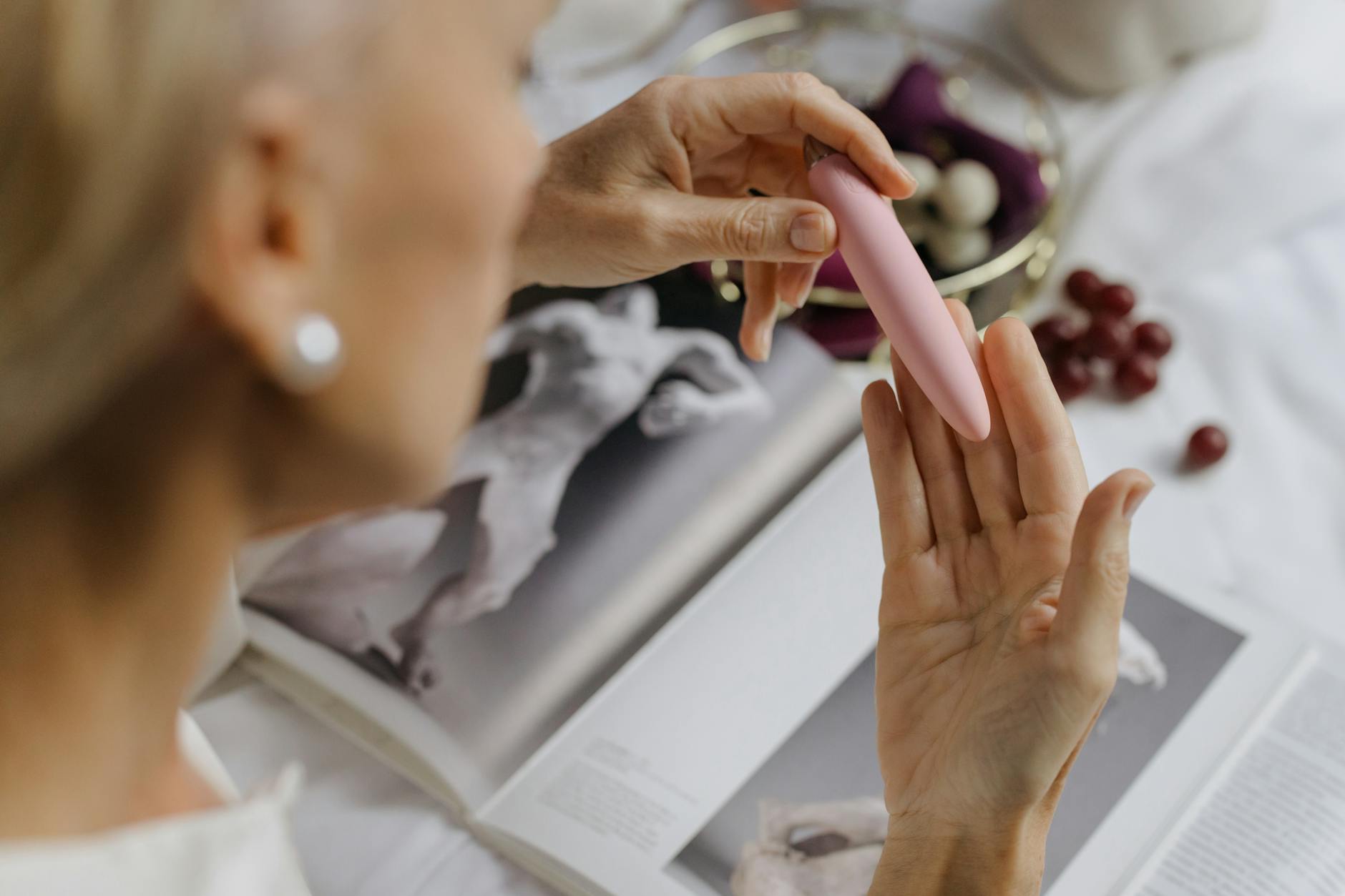
Here's the thing about illness and pleasure
Sickness isn't just a physical interruption. It hijacks your nervous system, tanks your dopamine, and rewires your body's response to touch in ways that feel weirdly permanent while you're still recovering. Many people assume pleasure will snap back once the fever breaks or the medication kicks in. It rarely does that cleanly.
What actually happens is your body needs permission to slowly rebuild arousal in a way that feels safe and doesn't demand energy you don't have. A lemon clitoral vibrator like the Lem can be part of that rebuilding process, but only if you approach it with specific pacing strategies and realistic expectations about sensation during recovery.
Why illness disrupts arousal (and sensation isn't just physical)
When you're unwell, your body shifts into survival mode. Blood redirects to your immune system and away from your genitals. Medications often tank libido or numb sensation. Fatigue is profound. But the bigger piece people miss is psychological. Illness creates a mismatch between what your brain expects and what your body can deliver, which makes arousal feel like friction rather than flow.
Many of my clients describe the experience like this: their mind remembers what pleasure felt like, but the body isn't cooperating. That gap creates frustration. Then frustration becomes a barrier. Then the body tenses more. It's a loop.
The good news: this loop is reversible. The lemon vibrator, used mindfully, can help short-circuit it by lowering the activation energy needed for arousal. Instead of waiting for your body to build response naturally, the vibrator does some of that work for you. You're not fighting against numbness or weakness. You're working with your current capacity.
The timeline: when to start, when to wait
There's no one-size answer here, but here are the markers I use clinically.
Wait if you're still feverish, actively medicated with strong antivirals, or experiencing significant fatigue (like, cannot-walk-ten-steps fatigue). Your nervous system is still in crisis mode. Pleasure requires parasympathetic activation, which won't happen while your body is fighting.
Start when: you're past the acute phase but still tired, fever is gone, medications have stabilized, and you've had at least three days of feeling noticeably more like yourself. This is usually 5-10 days into recovery, depending on what you had.
Begin solo. Partnered sex (or partnered anything) adds variables. Solo exploration lets you learn your current capacity without performance pressure.
How to use a lemon vibrator safely during recovery
Four adjustments to your normal routine.
First: timing. Use the lemon vibrator when you have genuine energy, not when you're forcing it. Morning is often better than evening because fatigue compounds. Give yourself 20-30 minutes of having done nothing difficult beforehand. Your nervous system needs runway.
Second: intensity. Start at pattern 1 or 2, not 3 or 4. Your tissues may feel numb or oversensitive depending on what you recovered from. If sensation feels muted, it's not because the vibrator isn't strong enough. It's because your nerve response is still recalibrating. Lower intensity lets you feel what's there without overwhelming your system. Many people need to sit with reduced intensity for several sessions before moving up.
Third: lubrication. Use more than you normally would. Illness dehydrates tissue, and medications can worsen that. Water-based lube helps the lemon vibrator glide without requiring you to generate as much natural lubrication, which is often sluggish during recovery. This removes a source of frustration.
Fourth: positioning and pacing. Lie down, not sitting up. Let gravity support your body weight. Start with the Lem at the outer edges of the vulva, not directly on the clitoral glans. This builds sensation without jarring your system. Spend 3-5 minutes there before moving closer. Don't chase orgasm. If it happens, great. If not, that's completely normal and it will return.
What to expect (and what's normal)
Your first few sessions with the lemon vibrator during recovery will probably feel muted. Orgasms might feel distant or hard to reach. Some sensations might feel numb, others oddly heightened. This is normal. Your nervous system is literally rebuilding.
Session two or three often feels worse before it feels better, which surprises people. This is actually a good sign. It means sensation is starting to come back online, and sometimes that initial wave of returning sensation can feel sharp or strange. Stick with lower intensity and shorter sessions (10-15 minutes max).
By session five or six, most people notice a shift. Arousal builds faster. Sensation feels more familiar. Orgasms, if they arrive, feel more integrated. This is recovery working.
Some people report that their body feels different even after full recovery, and they want to adjust how they use a clitoral vibrator permanently. That's information worth keeping. Illness sometimes recalibrates pleasure in ways that stick, and adaptation isn't failure.
The role of your partner during recovery
If you have a partner, this is a conversation worth having early. Many partners assume that introducing a lemon sexual toy during recovery means their person doesn't want them anymore. The opposite is usually true. What's actually happening is you're prioritizing your own healing without making your partner responsible for it.
Frame it clearly: "I'm rebuilding arousal right now using the Lem solo. This is about me learning what my body needs during recovery. I'm not ready for partnered sex yet." Most partners find this relieving because they're also not sure what to do.
Once you've rebuilt sensation and comfort with solo use, partnered play can layer back in. Some of my clients find they want to use the lemon vibrator with a partner present but not touching them. Others want to integrate it into foreplay once they're further along. There's no timeline. Your body gets to set that.
When to pause and reassess
If sensation stays numb or numbness worsens after multiple sessions, pause. This often means you're still in active recovery and your nervous system needs more time. Forcing it won't speed up healing.
If arousal triggers pain or sharp sensations, stop immediately and wait longer. Some illnesses create temporary inflammation or sensitivity in genital tissue that needs weeks to fully resolve.
If you're still on medications that affect sensation and you want to explore how that plays with the lemon vibrator specifically, that's a conversation to have with your doctor. They can sometimes adjust timing or dosage to support your wellness goals.
Recovery isn't linear. Some days your body will feel more ready than others. That's completely normal. Patience here genuinely pays off.
The lemon vibrator as part of a bigger pleasure recovery
Using a lemon clitoral vibrator during illness recovery is about reclaiming something that illness tried to take. It's not urgent. It's not performance. It's you learning your body again in its current state, with honesty and gentleness.
Many people find that this slower, more intentional rebuilding actually deepens their sense of agency around pleasure. You're not assuming pleasure should work a certain way. You're discovering what it actually needs to feel good right now.
People also ask
How long does it take for sensation to return after illness?
It depends on what you had and how severe it was, but most people notice meaningful shifts in sensation within 7-14 days of feeling physically better. Full sensation can take 3-4 weeks. Some medications extend this. The lemon vibrator can help you track progress and support the process, but it won't speed it up beyond what your body naturally needs.
Is it safe to use a clitoral vibrator if I'm still on antiviral medication?
Generally yes, once you're past the acute phase. But sensation may feel different or muted because many antivirals affect nervous system function. If you're worried, ask your doctor. Most will say it's fine as long as you're feeling well enough to be out of bed and moving around.
What if using the lemon vibrator makes me feel fatigued afterward?
That's a sign to stop and rest. Your nervous system just did activation work, and if your body is still recovering, that effort can tap remaining energy reserves. Keep sessions shorter (10-15 minutes) and save pleasure exploration for times when you have genuinely spare energy, not when you're running on fumes.
Can I use a lemon sexual toy if my partner is still contagious or I'm worried about reinfection?
Yes, solo use is completely safe. If your partner is contagious, solo exploration with the Lem is actually ideal because it removes physical contact while still letting you rebuild your relationship with pleasure. Once you're both clear, partnered use can layer back in.
Should I wash my lemon vibrator differently if I'm recovering from illness?
Basic care applies: warm water and mild soap or a toy cleaner works fine. If you want to be extra cautious (some people do), you can use a toy cleaner with a higher antimicrobial profile. The Lem is designed for easy cleaning, so this takes seconds.
Why does arousal feel harder to build when recovering, even though I intellectually want sex?
Your parasympathetic nervous system (the one that handles arousal) is still offline. Illness prioritizes your sympathetic system, which handles crisis and survival. These systems take time to rebalance. The disconnect between intellectual desire and physical response is real and frustrating, but it's temporary. The lemon vibrator helps bridge that gap by offering external stimulation while your internal systems recalibrate.