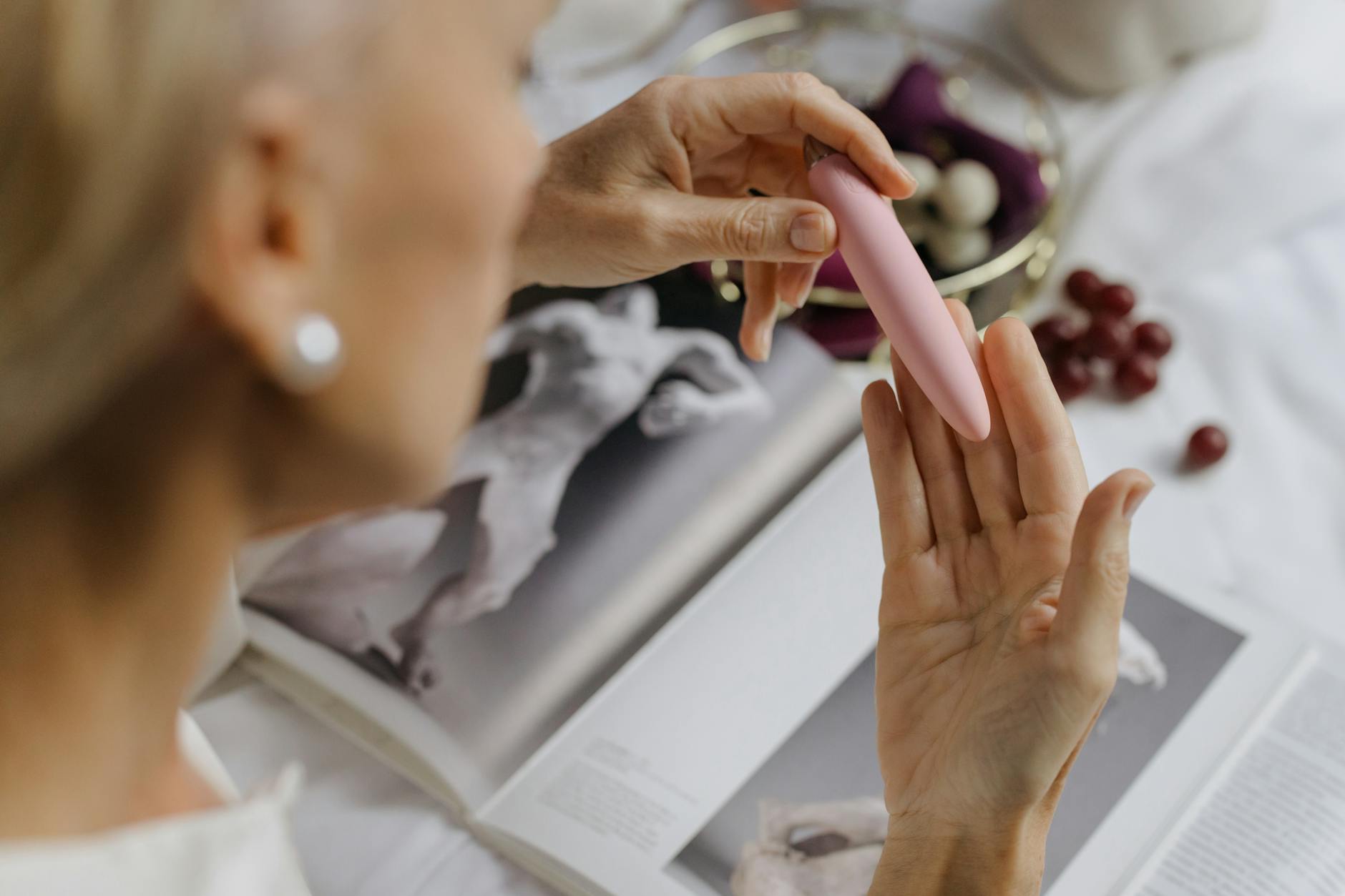
When pelvic pain rewires everything
Pelvic pain doesn't just hurt in the moment. It rewires your relationship with touch, with your body, and with pleasure itself. If you've been navigating pelvic pain, pelvic floor dysfunction, or endometriosis, you know that "just relax" is useless advice. Your nervous system has learned that pressure in that region means pain. Retraining it takes time, patience, and the right tools.
The good news: pleasure is still available to you. It just requires a different approach.
Why traditional vibrators can feel like the wrong fit
Most vibrators work through direct friction and pressure. They buzz against tissue, which is fine if your pelvic floor is relaxed and your tissues are resilient. But if you're recovering from pain, pelvic floor tension, or inflammatory conditions, that direct pressure can actually trigger the pain response you're trying to move away from.
That's where suction-based stimulation changes the game. Instead of friction pressing downward, suction gently pulls, engaging nerve endings without the mechanical force that can feel threatening to a sensitized nervous system. A lemon clitoral vibrator like the Lem uses this suction mechanism, which means you get stimulation that feels different neurologically. You're activating pleasure pathways without activating pain pathways.
This distinction matters enormously for pelvic recovery.
How suction feels different than traditional vibration
Imagine the difference between someone pinching your arm and someone gently cupping your arm. Same area, completely different sensation. Suction vibrators work through gentle pulling rather than vibrating pressure, which means the sensation is fundamentally softer.
For someone recovering from pelvic pain, this translates to several things. First, you can control intensity without worrying about pressure buildup. Second, the sensation itself bypasses the defensiveness that comes from years of pain. Third, because there's no mechanical friction, you can use the toy longer without tissue irritation.
Many people recovering from pelvic floor dysfunction report that they couldn't use traditional vibrators at all, but suction-based tools felt accessible almost immediately.
Building tolerance slowly and intentionally
If pelvic pain is still recent or raw, jumping straight to any vibrator isn't the move. Your nervous system needs to learn that this region can feel good again, and that learning happens gradually.
Start with external sensation only. Use the lowest suction setting on your lemon vibrator, and place it far from direct clitoral contact at first. Try it over underwear, or at the outer edge of your vulva, where sensation feels less threatening. Spend 5-10 minutes just letting your nervous system get used to the sensation and the vibration pattern.
If that feels okay after a few sessions, you can gradually move closer to direct contact. Still keep the intensity low. The goal isn't orgasm yet. The goal is nervous system recalibration.
When internal sensation needs rebuilding too
Some types of pelvic pain involve the vaginal canal. If you've experienced pain during penetration, the idea of any internal contact might feel impossible right now. That's completely valid.
But here's what I've seen happen with clients over time. External clitoral pleasure, built safely and without pressure, can start to normalize sensation in the whole pelvic region. As your nervous system realizes that pleasure is possible there, internal sensation often becomes less guarded. This isn't something you're forcing. It's something that emerges naturally as you rebuild trust in your body.
If you do eventually want to explore internal sensation again, remember that the Lem is external only. That's actually a feature for pelvic recovery, because it means you're never managing internal pressure while you're still learning what safety feels like.
Lubrication and the recovery timeline
Pelvic pain often comes with reduced lubrication, especially if inflammation has been involved. You might feel drier than you used to, even in the emotional states that usually trigger wetness.
Use water-based lube generously, and don't wait for natural lubrication to arrive first. The lube serves two functions: it makes the sensation smoother, and it's a signal to your nervous system that you're creating the conditions for pleasure. Getting out of survival mode and into consent mode, even with yourself, matters.
Reapply lube as needed. There's no such thing as too much.
Why sensation might feel muted at first
After months or years of pain in a region, sometimes pleasure signals feel dampened. This is a real neurological thing, not something you're imagining. Your nervous system has been trained to downregulate sensation there. It's a protection mechanism. Rebuilding sensation takes time.
The Lem's suction mechanism actually helps here, because the sensation is novel and engaging without being threatening. Many people find that after a few weeks of regular use at low intensities, sensation gradually becomes more present. You're not trying to force pleasure. You're just consistently sending your nervous system the message that this touch is safe and good.
Partner presence and pelvic recovery
If you're partnered, the presence of a partner during this recovery can be complicated. Some people find it grounding. Others feel self-conscious. Both responses are normal.
If you want to include your partner, consider using the Lem solo first so you feel confident and familiar with it. Then, if you want to, your partner can learn where and how to use it, and what intensity feels good. The key is that you're directing the experience. You control the speed, the positioning, the duration. You're the expert on your own nervous system right now.
Alternatively, solo pleasure can be the entire journey for now. There's no timeline that says you need to invite a partner in at a specific point.
When to pause and check in with a provider
If you're using the lemon vibrator and pain is returning or intensifying, stop. This is not a sign that you're broken. It's information. Your nervous system is telling you something, and it's worth listening to.
Touch base with your pelvic floor physical therapist, or your gynecologist, or whoever is helping you navigate the medical side of your recovery. Sometimes what feels like pain is actually residual tension that responds better to myofascial release or breathing work. Sometimes you need to slow down even more than you thought.
Pleasure in recovery is never a straight line. There are seasons of slowness, seasons of opening, seasons of setback. The clitoral vibrator is just the tool. Your intuition about your own body is the guide.
The texture of returning pleasure
One thing I often hear from clients rebuilding pleasure after pelvic pain is surprise. They expect pleasure to feel the same as it did before. It doesn't. It feels different, sometimes softer, sometimes more concentrated, sometimes more emotional. That's okay.
In fact, that difference is information. It tells you that your body has evolved. It's been through something. The pleasure you rebuild now is textured by that experience. It's not "back to normal." It's something new.
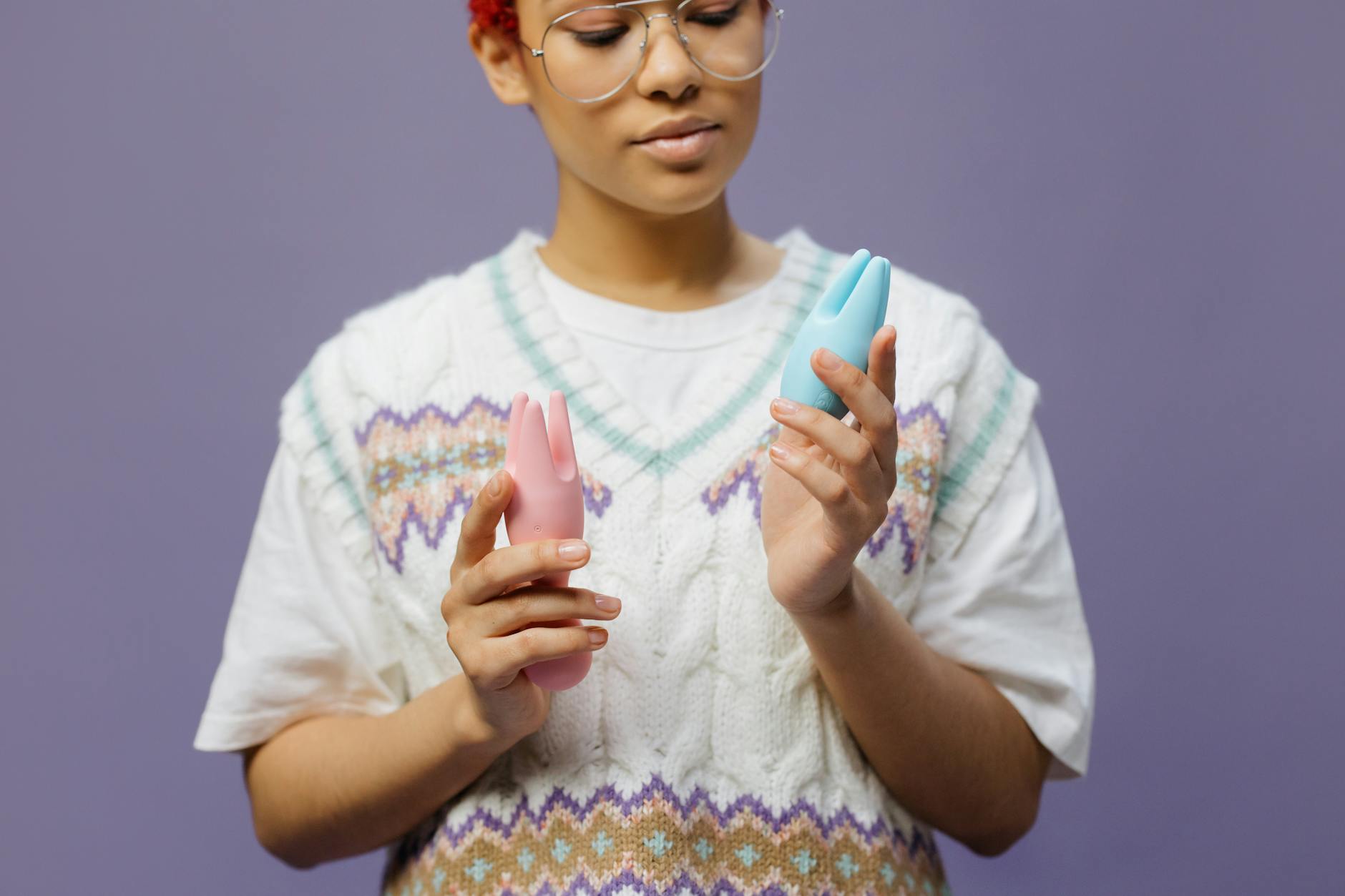
Photo by cottonbro studio on Pexels
Many people find that pleasure feels deeper after recovery, more intentional, more honest about what their body actually wants. That's not universal, but it's common enough that I think it's worth naming.
FAQ: Rebuilding pleasure after pelvic pain
Can I use a clitoral vibrator if I have endometriosis?
Yes, but with modifications. If you're in a flare or feeling tender, stick to external stimulation at very low intensities. Some people find that suction feels gentler than traditional vibration. If penetration or deep pressure triggers pain, external-only tools like the Lem are a better fit. Always check in with your gynecologist about what's safe for your specific situation.
How long before I feel pleasure again after pelvic pain?
There's no standard timeline. For some people, external pleasure feels accessible within weeks. For others, it takes months of slow nervous system retraining. The most important thing is to let go of the idea that you "should" feel pleasure by a certain date. You're rebuilding trust in your body. That's not a sprint.
Does using a vibrator while recovering from pelvic pain make the pain worse?
Not necessarily. Using the right vibrator at the right intensity can actually help normalize sensation and reduce the fear response associated with that area. But if you're experiencing increased pain, pause and check in with your provider. Low intensity and short sessions are your starting point.
Should I use a lemon vibrator solo or with a partner while recovering?
There's no right answer. Solo exploration gives you complete control and privacy, which many people find crucial for nervous system reset. If you're partnered and want to include them, make sure you're directing the experience entirely. You choose the intensity, duration, and whether to continue. Pressure from a partner, even well-meaning, can activate the same defensiveness that pain created.
What if I can't feel anything when I use the vibrator?
That's more common than you'd think after pelvic pain. Your nervous system may have downregulated sensation as protection. Keep using the vibrator at very low intensity, regularly, for a few weeks. Many people report that sensation gradually becomes more present. If nothing is changing after a month of consistent use, talk to your pelvic floor PT or doctor. There might be a different intervention that helps first.
Can I use lube with a clitoral suction vibrator?
Absolutely. Water-based lube is compatible with the Lem and actually enhances the sensation. Use as much as feels right to you. Lube is part of the recovery toolkit, not a sign that something is wrong.
Rebuilding what was lost
Pelvic pain is a violation of your body's autonomy. Rebuilding pleasure after it is an act of reclamation. It's not about getting back to where you were. It's about discovering where you can go from here.
If you're in the middle of pelvic pain recovery and pleasure feels impossible, that's real. And it's also temporary. The right tool, used gently and consistently, can help your nervous system remember that this region is capable of good sensation. The lemon vibrator, with its pressure-free suction design, is built exactly for that kind of slow, intentional rebuilding.
Your pleasure matters. Your recovery is worth the time it takes. You deserve tools that honor both.
If you want to explore how Hello Nancy's products might fit your recovery journey, reach out to our team. We're here to help you figure out what works.