Let's name what's actually happening
Clitoral numbness or desensitization feels like you're touching a body part that belongs to someone else. You know it's there. Touch registers, but pleasure doesn't follow. Sometimes it's a gradual fade. Other times it arrives suddenly, often paired with antidepressants, hormonal shifts, or repetitive use of the same intense toy.
Here's what matters: it's reversible, and a lemon vibrator or lemon clitoral vibrator can be part of getting sensation back. But you have to understand what's actually going on first, because the fix is counterintuitive.
Why clitoral desensitization happens
Your clitoris has roughly 8,000 nerve endings packed into a space the size of a pea. That's an extraordinary amount of sensitivity potential. But those nerves have thresholds.
When you use the same toy at the same intensity repeatedly, your nervous system adapts. It's called habituation. Your brain essentially says, "Okay, we've logged this stimulus a thousand times. We can tune it out now." The sensation dulls not because you've damaged tissue, but because your nerves have stopped paying attention.
Antidepressants (SSRIs especially) dull sensation as a side effect for some people. Hormonal changes, spinal issues, and nerve compression can all contribute. Sometimes it's a combination of these things. Sometimes it's anxiety your body learned to suppress pleasure as a protective move.
The good news: your nervous system is plastic. It can relearn responsiveness.
The problem with "more intensity"
Most people's first instinct is to crank the vibrator up to settings 6, 7, 8. That's the opposite of what helps. You're essentially asking a desensitized system to respond to even stronger input, which reinforces the habituation loop. Your nervous system adapts faster, and you end up numb to even higher intensities.
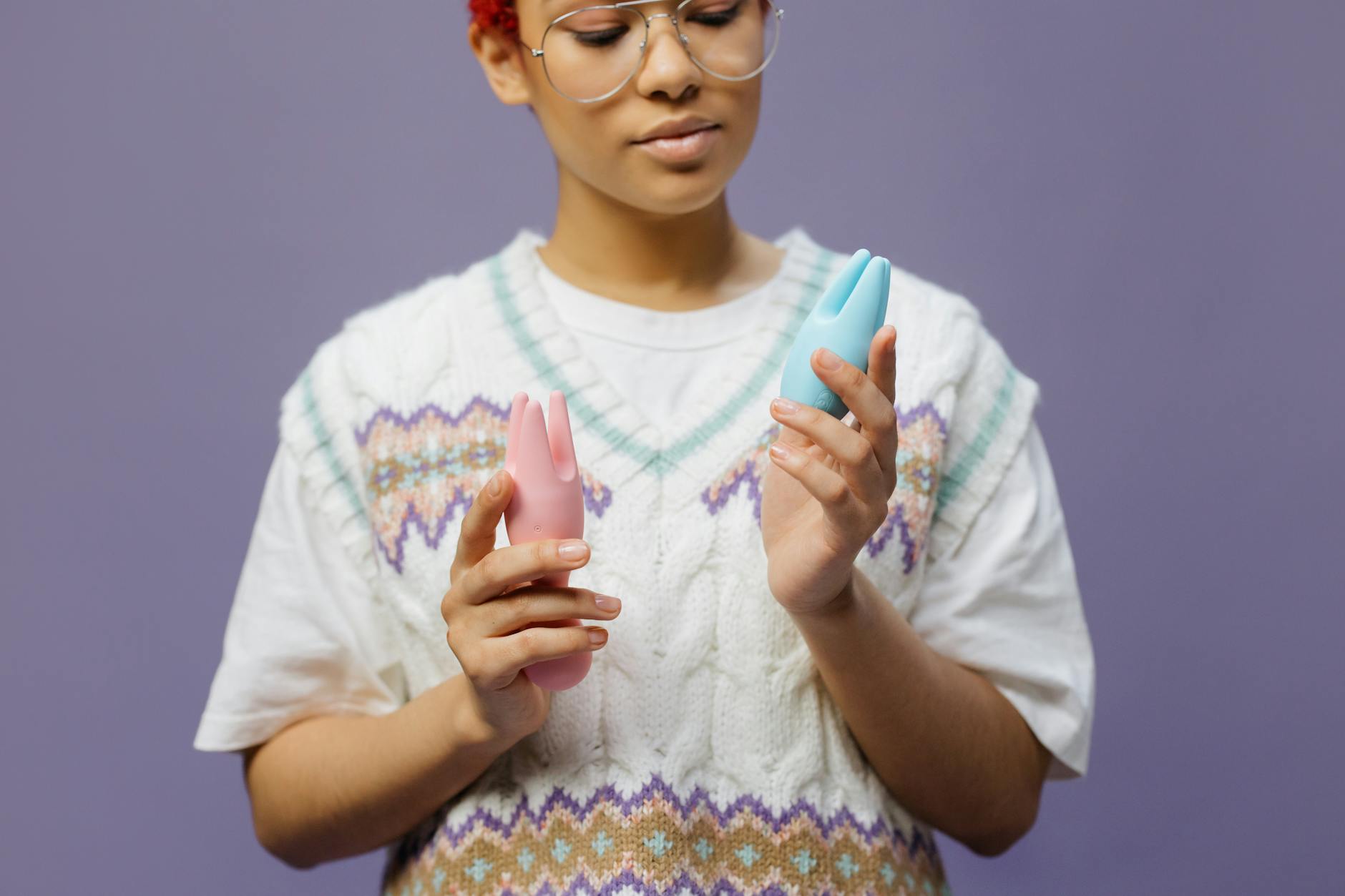
This is where a lemon vibrator's design actually matters. Lemon clitoral vibrators use air-suction and pulsation patterns rather than relentless mechanical vibration. The sensation profile is different. It's not faster or stronger. It's varied, rhythmic, and designed to engage nerve endings in a way that intense buzzing can't.
Start with sensation mapping, not orgasm
Here's the framework that actually rebuilds clitoral sensitivity:
Week 1-2: Use your lemon vibrator on the lowest setting (1 or 2 on the Lem, for example) with no goal except to notice sensations. Not pleasure, not arousal. Sensation. Put it on your clitoris for 5-10 seconds, then move it away. Notice the difference. Touch surrounding areas. Your vulva, inner thighs, the frenulum (the underside of the clitoral hood). Spend 15-20 minutes exploring texture, not chasing climax.
The goal is to wake up your nervous system's attention. You're training it to notice again.
Week 3-4: Extend sessions to 20-30 minutes. Keep intensity low. Start experimenting with different patterns if your toy offers them (the Lem has several gentle pulsation modes). Alternate between suction and pulsation. See which one your nerves seem to prefer. Pay attention to micro-sensations you've been too numb to notice.
This is boring. Intentionally. Boredom is the antidote to habituation.
Lubrication is not optional
Desensitized tissue often feels drier, regardless of arousal. Water-based lubricant isn't a sign of failure. It's a tool that reduces friction noise and lets your lemon vibrator's suction patterns work more effectively. It also makes sensation easier to feel because the toy glides rather than catches.
Apply it generously. Reapply midway through. This small change often makes the difference between "I still feel numb" and "Oh, there's something happening."
Rebuild arousal architecture slowly
Once you've spent a few weeks on sensation mapping, you can start introducing arousal. But do it gradually.
Start with fantasy, erotica, or whatever gets your brain engaged. Spend 10-15 minutes on that before you touch a vibrator at all. Let arousal build. Then introduce your lemon vibrator on a low setting. The goal is to pair increasing arousal with varied, gentle stimulation. Your nervous system learns that pleasure builds. It's not about pushing through numbness. It's about rewiring how sensation connects to desire.
This takes patience. You might not reach orgasm for several sessions. That's actually the goal. You're training your body to feel pleasure as a spectrum, not just a climax.
When to involve a partner
If you have a partner, desensitization often becomes a couples issue without anyone meaning for it to. Your partner wonders if they're doing something wrong. You wonder if you're broken. Neither of these things is true, but the pressure creates tension that makes sensation even harder to access.
Have a conversation (not during sex) that goes something like this: "My clitoris has gotten less responsive. It's not about you or attraction. I'm going to spend a few weeks rebuilding sensitivity with some specific techniques. I'd love for you to be part of that eventually, but first I need solo time to figure out what works." That honesty often relieves so much pressure that sensation starts coming back on its own.
Once you've spent 3-4 weeks rebuilding solo, you can invite a partner to use the lemon vibrator on you, or to use it together. Having another person's hands involved (or not involved) can shift sensation in ways that feel new. But only after you've re-established baseline responsiveness.
The timeline is real
Don't expect results in a week. Desensitization took months or years to develop. Rebuilding typically takes 4-8 weeks of consistent, intentional practice. Some people see results faster. Others need more time. Antidepressant-related numbness sometimes persists, in which case adding a low-dose topical testosterone cream (prescribed) can help alongside the vibrator work.
The consistency matters more than the duration of each session. Fifteen minutes five times a week beats a single marathon hour.
Red flags that mean specialist input
If numbness appeared suddenly with no obvious cause, or if it's accompanied by pain, weakness, or changes in bathroom function, see a neurologist. Nerve compression or spinal issues need medical investigation.
If you're on antidepressants and the numbness is intolerable, talk to your prescriber. Sometimes switching medications or adjusting timing helps. Sildenafil (Viagra) increases bloodflow to genital tissue and is sometimes prescribed off-label for desensitization, especially when paired with this kind of structured sensation work.
If you've been rebuilding sensation for 8 weeks with zero change, a pelvic floor physical therapist trained in sexual health can assess whether there's a neurological or structural component you're missing.
FAQ
Will using a lemon vibrator regularly make desensitization worse?
No, if you're varying intensity and pattern. The problem is repetition at the same intensity. Lemon clitoral vibrators' air-suction design naturally creates more variation than traditional vibration, which actually makes them less likely to trigger further habituation. The key is rotating between settings and taking breaks (even a few days off per week helps your nervous system stay engaged).
How long after rebuilding sensation does it last?
It depends what caused the numbness. If it was habituation, sensation stays restored as long as you rotate toys, vary intensity, and avoid falling back into the same-toy-same-setting pattern. If it's medication-related, you'll maintain responsiveness while on the medication, but numbness may return if you stop the pills. Work with your prescriber on that decision.
Can I use my old vibrator once sensitivity comes back?
Yes, but not as your only toy. Variety is the actual antidote to desensitization. Use your lemon vibrator, rotate to a different pattern or toy every few weeks, take breaks. Treats sensation like a renewable resource, because it is.
Is desensitization permanent if I ignore it?
Not usually. Habituation can persist indefinitely if you keep doing the same thing, but sensation naturally comes back if you stop overstimulating or if circumstances change. That said, waiting passively often means months of numbness. Active rebuilding cuts that timeline in half.
Does arousal make a real difference, or is it just psychological?
It's very real. Arousal increases bloodflow to the clitoris, which heightens nerve sensitivity. It primes your nervous system to pay attention. That's not psychology. That's physiology. Which is why the first step is always to engage arousal separately from the toy.
If I'm still numb after eight weeks, did I do something wrong?
Not necessarily. Some people have baseline lower sensation (it's normal variation). Some have underlying nerve issues that need medical assessment. Some are on medications that make full restoration impossible without switching meds. If you've been consistent and nothing shifts, that's the time to see a pelvic floor specialist or neurologist, not the time to try harder.
What this actually means
Clitoral desensitization is one of those problems that feels uniquely lonely because nobody talks about it. You feel broken. But you're not broken. You're experiencing something your nervous system learned to do, and your nervous system can learn something else.
A lemon vibrator isn't a magic cure. It's a different sensation profile that doesn't reinforce the same habituation loop. Paired with patience, variety, and the willingness to slow down, it becomes part of how you rebuild responsiveness.
Your clitoris wants to feel. Sometimes it just needs permission to start over.
If you want to explore this further, reach out to Hello Nancy or consider connecting with a pelvic floor specialist in your area. You deserve sensation.