Let's start with what matters most
Healing from sexual trauma isn't about forcing yourself back into pleasure. It's about slowly, carefully rebuilding your relationship with your own body. That might sound like therapy-speak, but here's what it means in practice: you get to decide what happens, when it happens, and whether it happens at all.
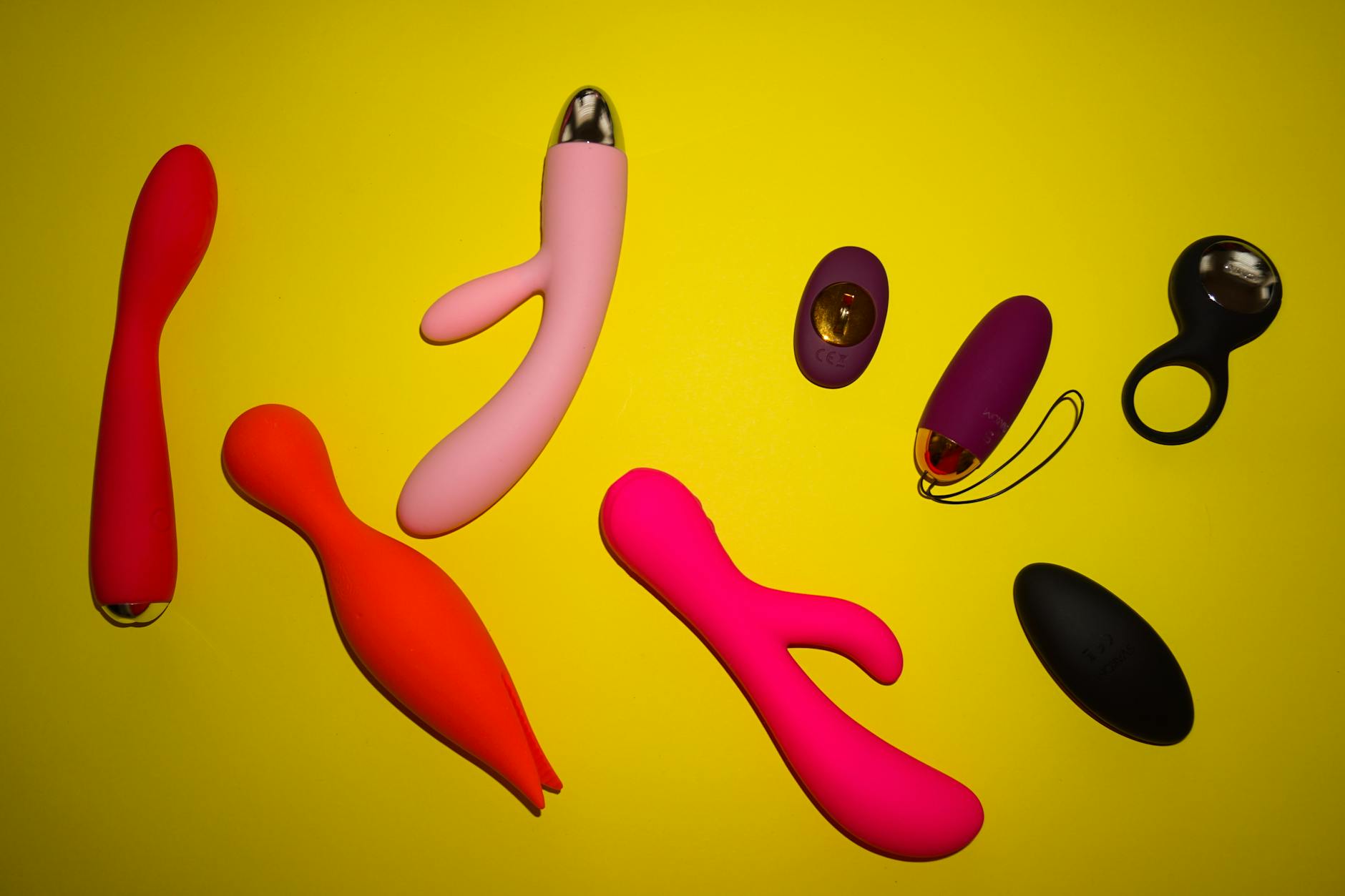
A lemon clitoral vibrator can fit into that process. Not as a magic fix. Not as proof you're "over it." But as a tool that puts you firmly in control of sensation, speed, and intensity. That control is what makes the difference.
Why trauma changes how you experience pleasure
When your body has been violated, it remembers. Your nervous system learns to stay alert, to brace for threat. Touch that used to feel good can suddenly trigger hypervigilance. Your brain might disconnect during sex, or your body might go numb to protect itself. This is not weakness. This is your nervous system doing exactly what it's supposed to do: keeping you safe.
The tricky part is that your nervous system doesn't know the difference between danger and recovery yet. It has to learn that touch can be consensual again. That you have control. That you can stop anytime, and the person (or the device) will respect that boundary immediately.
A lemon vibrator works here because you control every variable. You control the pattern, the intensity, the speed, the duration. You're not dependent on another person's rhythm or assumptions about what you like. You're not negotiating with anyone else's needs or pace. That autonomy is often the first step toward reclaiming pleasure.
Building a foundation of safety first
Before you use any toy, including a lemon clitoral vibrator, your nervous system needs to feel safe. This isn't romantic. It's practical.
Three baseline things:
Choose your physical space carefully. A locked door. Lights on if darkness feels unsafe. Your phone nearby if that comforts you. Headphones with music you choose, not silence that lets anxiety creep in. Some people need their phone in video call with a trusted friend just in the next room. Whatever it takes for your body to believe nothing unexpected will happen.
Set a specific time boundary. "I'm giving myself 15 minutes of exploration, then I'm done." This isn't a restriction. It's permission. Your nervous system relaxes when there's an endpoint. You're not trying to prove anything or achieve something. You're exploring for 15 minutes, full stop.
Have a grounding object nearby. This could be a soft blanket, ice cubes, a favorite scent, something you can hold or touch if dissociation starts creeping in. Trauma recovery experts call this a "somatic anchor." You're anchoring yourself to the present moment and your own agency.
If anxiety spikes at any point, you stop. Full stop. This isn't failure. This is your body communicating. Listen to it.
How to start with a lemon vibrator if you're nervous
I recommend beginning with the lemon vibrator off. Yes, really.
Hold it. Feel its weight in your hand. Notice the texture. Is it cool? Warm? Does the silicone feel nice against your palm? You're doing nothing sensual here. You're doing something radically different: you're learning that an object can be in your space and in your control without anything happening unless you say so.
Next, keep it off and bring it near your body, but not touching. Press it gently against your forearm or your thigh. Somewhere non-sexual. You're teaching your nervous system: "This is here. I invited it. I can move it whenever I want."
If that feels okay, turn it on to its lowest setting (pattern 1 or 2 on the Hello Nancy's lemon vibrator) and apply it to the same non-sexual spot. Inner thigh. Forearm. The inside of your wrist. Stay there for 30 seconds. Notice the sensation. Does it feel good? Uncomfortable? Neutral? All three are fine.
After a few sessions of this, you might be ready to use the lemon clitoral vibrator on its intended target. You don't have to rush it. Some people spend two weeks just getting comfortable with the device before clitoral contact. That's not slow. That's smart.
When dissociation or numbness shows up
Dissociation during sexual activity is incredibly common after trauma. Your mind checks out. You're watching yourself from outside your body. You feel numb even as sensation is happening.
Dissociation isn't a sign the lemon vibrator isn't working. It's a sign your nervous system still doesn't fully trust that it's safe. The numbness or detachment is a protective response.
If this happens, here's what helps: stop the device. Bring your attention completely into your physical body. Press your feet into the floor. Feel the weight of your body on the bed. Wiggle your toes. Name five things you can see, right now, in the room with you. Open your eyes wide. Touch something rough or textured. Cold water on your face.
You're deliberately pulling your nervous system back into the present moment and reminding it that you're in control. Once grounding works and you feel present again, you can choose to continue with the lemon vibrator at a much lower intensity, or you can decide you're done for today. Both are valid.
Over time, as your body learns that consent actually means what it says, dissociation becomes less frequent. You don't have to white-knuckle through recovery. You just gently, repeatedly teach your nervous system that this is safe.
Partnered pleasure and setting boundaries
If you're in a relationship and working toward partnered sex again, using a lemon clitoral vibrator solo first is often helpful. You learn what feels good without pressure. You practice the language of boundaries in a low-stakes environment.
When your partner is involved, communication shifts from optional to essential. Tell them clearly: I might need to stop mid-session. I might ask you to leave the room. I might change my mind about what I want today. Those things don't mean you're doing anything wrong. They mean my nervous system is communicating.
Some trauma survivors find it helpful to use the lemon vibrator with their partner present but not touching them. Your partner is there. You're using your toy. They're respecting your process. That's its own form of intimacy. Presence without pressure.
If your partner struggles with this, that's a conversation for a couples therapist, not something you need to solve alone. Healing from trauma while partnered requires both of you showing up, and sometimes that requires professional help aligning expectations.
The nervous system learns slowly (and that's okay)
Recovery isn't linear. Some weeks the lemon vibrator feels great. Some weeks anxiety spikes for no obvious reason. You might have a good session followed by a setback. This isn't you failing. This is your nervous system processing.
One thing that helps: track what works. Maybe pattern 3 on the lemon vibrator combined with a specific playlist and afternoon timing feels consistently good. Great. Don't force variety if consistency is what your body needs right now. There's no medal for adventurousness in trauma recovery.
Another thing: be patient with numbness. It takes time for your body to re-learn pleasure. Sometimes it takes months of gentle, repeated exposure before sensation returns fully. That timeline is normal. You're not broken.
Consider working with a therapist trained in trauma (EMDR, somatic experiencing, or trauma-informed cognitive behavioral therapy are all solid options) alongside your solo exploration. A professional can help you understand what your nervous system is doing and why, and give you tools tailored to your specific history.
When to reach out for additional support
If anxiety or trauma responses persist despite weeks of gentle exploration, if shame or guilt feels overwhelming, or if you're not sure your healing is on track, that's when professional support becomes really valuable. A therapist who specializes in sexual trauma can help you identify where you're stuck and why.
You deserve that support. Healing from sexual trauma is serious work. A lemon clitoral vibrator is a tool in that process, not the whole solution. You're the solution. You're doing the work of learning to trust your own body again. That takes courage.
People also ask
Is it normal to feel nothing when using a lemon vibrator after trauma?
Completely normal. Numbness is a common trauma response. Your body is protecting you. Sensation often returns slowly with repeated, pressure-free exposure. If nothing changes after several months of consistent, gentle use, talking to a trauma-informed therapist can help identify what's happening and why.
Can using a lemon vibrator by myself help me be ready for partnered sex again?
Yes. Solo exploration with a tool you fully control helps rebuild your sense of agency and safety. You learn what feels good without negotiating with someone else's needs or pace. That foundation often makes partnered sex feel less threatening when you're ready. But healing is individual. Some people need therapy before either.
What if I have a panic attack while using a lemon clitoral vibrator?
Stop immediately. Turn off the device. Get grounded: feet on the floor, hands on something textured, eyes open. Name what you see around you. Slow your breathing. You're not broken. Your nervous system is doing its job. Panic attacks are survivable and you will come through it. After it passes, it's okay to take a break from solo exploration for a while, or switch to the non-sexual grounding exercises we mentioned earlier.
Should I tell my partner I'm using a lemon vibrator to recover from trauma?
That depends on your relationship and your comfort. Some people share for transparency and connection. Some keep it private for personal space and autonomy. If you're partnered and working toward shared intimacy, at some point a conversation about your recovery process (not necessarily the specific tool) will probably be needed. But that timing is up to you.
How long does it take for pleasure to feel normal again?
This varies wildly depending on your trauma history, your current support system, and your nervous system's resilience. Some people feel significant shifts in weeks. Others take months or years. There's no "right" timeline. What matters is that it's moving, slowly, in a direction that feels safer to you over time.
Is it okay to use a lemon vibrator if I'm still in flashbacks or having nightmares?
Maybe, but gently. If you're in an acute phase where flashbacks are frequent or intense, focusing on stabilization (therapy, grounding, safety routines) first, before adding pleasure exploration, often works better. A trauma therapist can help you gauge readiness. You don't have to rush.
Healing from sexual trauma is one of the bravest things you can do. Using a lemon vibrator is part of that journey for some people. Whether it's right for you is something only you can decide. Your pace. Your body. Your choice. That's what matters.
If you need support navigating your recovery, reach out to a trauma-informed therapist or contact Hello Nancy's support if you have questions about using our products in recovery.
References and resources
- Bessel van der Kolk, The Body Keeps the Score: Brain, Mind, and Body in the Healing of Trauma (2014)
- International Society for the Study of Trauma and Dissociation (ISSTD) therapist directory
- The Trauma Recovery Network and somatic experiencing approaches
- Centers for Disease Control resources on sexual violence and recovery