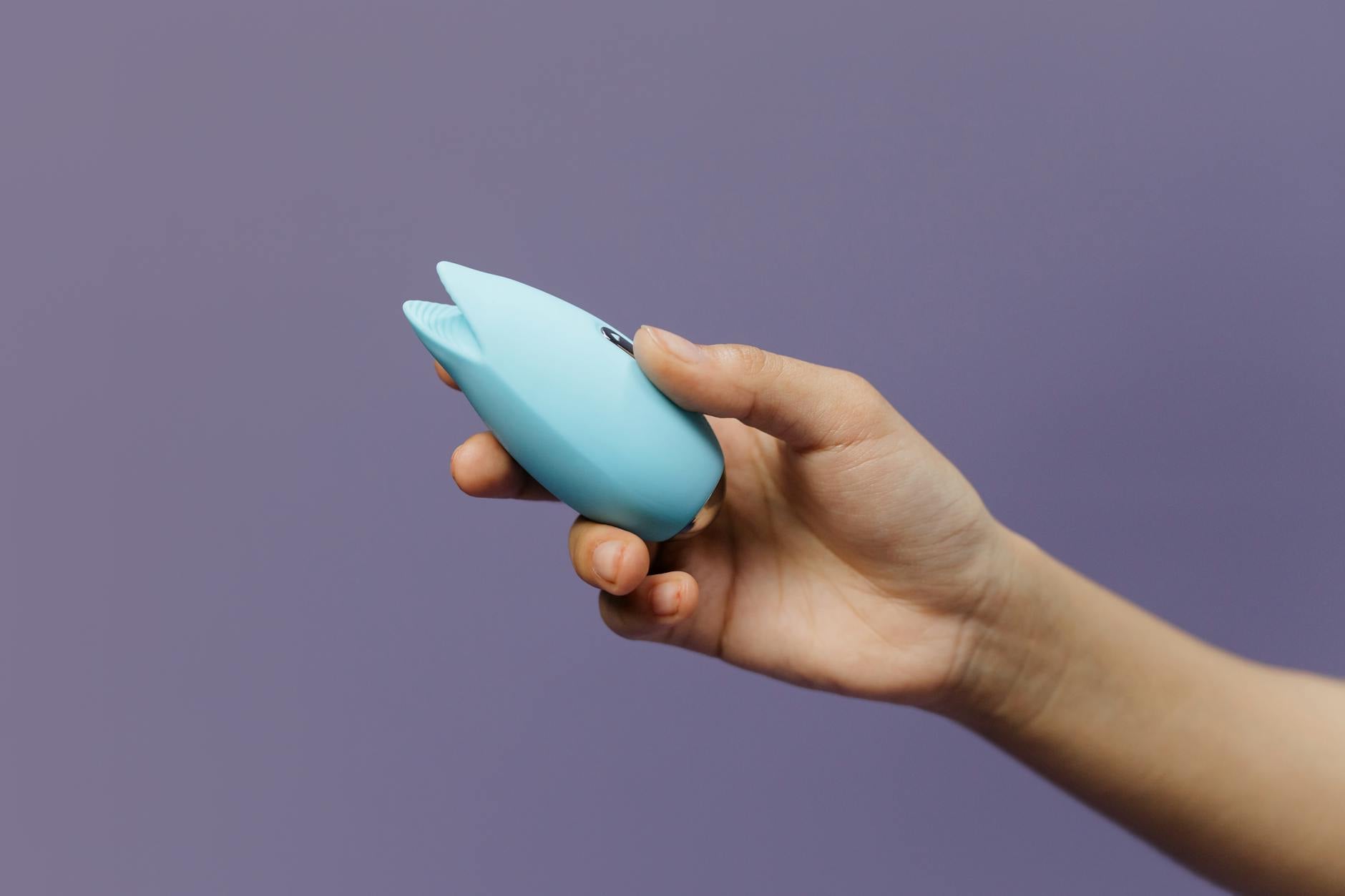
How to Use a Lemon Vibrator When Clitoral Sensation Changes With Hormonal Shifts
Let's be real: your clitoral sensitivity is not a fixed setting. It moves. Some weeks, the lowest pattern on your lemon vibrator feels like too much. Other times, pattern 5 barely registers. This isn't dysfunction. This is your body responding to hormonal fluctuation, and it's completely normal.
The problem isn't your sensitivity. The problem is that most people don't know this is happening, so they assume something's wrong with them or their toy. Neither is true. What's happening is that estrogen, progesterone, and other hormones are reshaping how your nervous system registers sensation in real time. Understanding this changes everything about how you use a clitoral vibrator like the Lem.
Why hormones shift your clitoral response
Your clitoral tissue is wildly responsive to hormonal changes. During the follicular phase (roughly days 1-14 of your cycle), estrogen climbs. Higher estrogen increases blood flow to genital tissue, thickens the vaginal lining, and speeds up your arousal response. Your clitoris literally swells slightly. More blood flow equals more sensitivity and faster nerve firing.
Then ovulation happens. Progesterone rises. Your body tightens a little. Sensation can feel duller, deeper, or less available. Some people describe it as numb. Others say they need more intensity to feel anything. By day 20-ish, progesterone is still high and estrogen is dropping. This is often when clitoral sensation feels most muted.
Then your period arrives and the cycle resets. But here's the kicker: if you're on hormonal birth control, this wave doesn't happen the same way. If you're in perimenopause or menopause, hormonal fluctuation is wilder and more unpredictable. If you have PCOS or other endocrine conditions, the pattern might not follow the textbook cycle at all.
What matters is this: your body is doing something real and measurable. Your clitoral vibrator hasn't changed. You have. And that's workable.
Mapping your sensitivity windows
Here's what I suggest to clients: spend two months (two full cycles) tracking not your mood or energy, but specifically when you feel like using your lemon vibrator and how it feels. Not a journal. Just a note on your phone. Day 5: Lem pattern 2 feels amazing. Day 18: Had to jump to pattern 4. Day 22: Nothing working, backed off.
After eight weeks, you'll see the pattern. Maybe you have a super-responsive week mid-cycle. Maybe there's a dead zone in days 18-23. Maybe your sensitivity is all over the place with no pattern at all (which also tells you something useful, usually that stress or sleep is the bigger factor than hormones).
Once you know your map, you stop fighting it. Instead of assuming your toy is wrong or that you've lost sensation permanently, you adjust. On high-sensitivity days, you start lower and stay there longer. On muted days, you go higher or you skip the vibrator entirely and use a different kind of stimulation.
Adjusting your Lem technique across your cycle
The Lem (or any suction-based lemon clitoral vibrator) works by creating rhythmic suction pulses instead of straight vibration. This is actually brilliant for hormonal sensitivity shifts because you have more granular control than you do with a traditional vibrator.
During high-sensitivity windows (usually early follicular phase): Start at pattern 1 or 2. The suction sensation feels more expansive and less intense than vibration, so even low patterns create real sensation. Spend longer at each pattern before moving up. Your arousal will build gradually. Let it. Sometimes the whole session stays at pattern 2 and that's perfect.
During moderate-sensitivity windows: Patterns 3-4 usually hit the sweet spot. You get enough suction intensity to feel the pulses clearly without overstimulation.
During low-sensitivity windows (often late luteal phase): You have three choices. One: jump straight to pattern 5 and stay there. Two: use the Lem in a different way. Instead of holding it exactly centered, try angling it slightly or holding it lighter so the sensation is less direct. Three: take a break from the Lem and use a wand vibrator or manual stimulation instead. This isn't failure. This is working with your body.
The key thing: don't push through numbness trying to prove your toy works. That leads to soreness, frustration, and the false belief that your body's broken.
Lubrication, arousal time, and hormonal shifts
Estrogen isn't just about sensitivity. It controls lubrication. High estrogen, more natural lubrication. Low estrogen, less.
If you're using a water-based lube year-round, great. Keep doing it. But if you find you need more lube during certain weeks, that's your hormones talking. This is so normal it barely needs mentioning, except that people often miss the connection. They think they're drying out permanently when really it's just day 21.
Arousal time shifts too. In the follicular phase, you might reach full arousal in 10 minutes. In the luteal phase, 25 minutes. This isn't laziness or low desire. This is neurobiology. Your brain is more easily distracted by stress and logistical noise when progesterone is high. Plan for longer foreplay. Use your lemon vibrator as part of a longer session, not a sprint.
The partner conversation during sensitivity shifts
If you have a partner, they need to understand this too. Not because they need to become your cycle-tracking accountant, but because "I don't feel like using the Lem this week" or "I need it faster this week" will make way more sense if they know why.
Here's the simplest framing: "My sensitivity moves around. Some weeks the vibrator feels perfect at a lower setting. Other weeks I need it higher. This is hormonal and normal. If I ask to adjust something, it's not about you or the toy. It's about what my body needs right now."
If you're in a dynamic where pleasure gets negotiated or managed by a partner, naming this directly prevents a lot of misunderstanding. You're not being difficult. You're being accurate about your physiology.
When sensitivity shifts are something else
Hormones explain most short-term sensitivity changes. But if your clitoral sensation has tanked over months and isn't coming back, or if it shifted abruptly with no pattern, a few other things are worth considering.
Stress and sleep are massive. Three weeks of poor sleep or sustained high stress can flatten your entire sexual response. This can look exactly like hormonal dampening, but the fix is different. Sleep more. Move your body. Reduce deadline pressure if you can. Give it two weeks and see if sensation improves.
Medications can change sensitivity. Antidepressants and some blood pressure meds are known culprits. If the timing lines up with starting something new, mention it to your doctor.
Pelvic tension is another one. If you're holding tension in your pelvic floor (which many people do when stressed), your clitoral sensation actually gets more muted even though the tissue is tight. This is counterintuitive but real. Pelvic floor physical therapy or even just breathwork can help unlock this.
If none of that fits and sensitivity has been gone for months, a conversation with your gynecologist or a sex therapist trained in sensate focus techniques can help you figure out what's happening. Sometimes it's hormonal. Sometimes it's vascular. Sometimes it's habit and nervous system recalibration.
The bigger picture: your body is trustworthy
The thing I want you to internalize is this: your body isn't breaking. It's responding. Your clitoris isn't malfunctioning. It's communicating. When you have a lemon vibrator and the knowledge to interpret what your sensitivity is telling you, you move from fighting your body to actually partnering with it.
That's the whole point of understanding how hormonal shifts work. Not so you can optimize yourself into some perfect baseline. But so you can notice what's happening and adjust. Use the Lem when it feels good. Use something else when it doesn't. Take a break when you need to. Your sensitivity will shift again next week or next month. That's not a flaw. That's you being human.
People also ask
Why does my lemon vibrator feel intense some days and barely noticeable on others?
Hormonal fluctuations change blood flow to your clitoral tissue and how your nervous system registers sensation. During the follicular phase of your cycle, estrogen is higher, which increases blood flow and sensitivity. During the luteal phase, progesterone dominates and sensitivity often becomes more muted. If you're on hormonal birth control or experiencing perimenopause, these patterns may be different but still real. Stress, sleep quality, and whether you're adequately aroused also shift day to day. This is completely normal physiology, not a sign that your toy is broken or that you're losing sensation permanently.
Can I use my Lem vibrator safely during all phases of my cycle?
Yes, absolutely. Your lemon clitoral vibrator is safe to use anytime. What changes isn't safety but rather comfort and the pattern or duration that feels best. During high-sensitivity phases, you might use lower patterns. During lower-sensitivity phases, you might use higher patterns or take a break entirely. The Lem's suction design actually makes it easier to adjust to different sensitivity levels than traditional vibrators, since you can fine-tune the intensity across its pattern range without worrying about mechanical wear or damage.
How long does it take for hormonal sensitivity shifts to happen?
If you have a menstrual cycle, sensitivity can shift noticeably within 24 to 48 hours as hormone levels fluctuate. The most dramatic changes usually happen around ovulation and in the days leading up to menstruation. If you're on hormonal birth control, you might experience smaller shifts or shifts on a different timeline. If you're in perimenopause, changes might feel more erratic. If you're dealing with hormonal conditions like PCOS, thyroid issues, or adrenal stress, the pattern might be unpredictable. Tracking your own experience over two cycles helps you see your personal pattern.
Should I tell my partner about my hormonal sensitivity shifts?
If you have a regular partner, yes. You don't need to provide a medical lecture. Just frame it simply: "My sensitivity moves around based on hormones. Some weeks the vibrator feels perfect at a certain setting. Other weeks I need it different. This is normal physiology." This prevents them from misinterpreting a change as lack of desire or dissatisfaction. If you're in a partnered dynamic where they're involved in your pleasure, they especially need this context so they can respond to what you're actually needing, not worry that something's wrong.
What if my sensitivity shifts are extreme or not following a pattern?
Extreme swings or completely unpatterned sensitivity shifts can sometimes point to factors beyond just normal hormonal cycling. High stress, sleep deprivation, medication side effects, pelvic floor tension, or underlying hormonal conditions can all cause this. If the shifts feel distressing or you've noticed them alongside other changes (mood swings, fatigue, irregular periods), it's worth checking in with your doctor or a pelvic health specialist. They can help rule out thyroid issues, PCOS, or other endocrine factors. Most of the time, once you address the underlying cause, your sensitivity stabilizes in a more predictable way.
Is it normal to lose clitoral sensation as I age?
Clitoral tissue doesn't lose its nerve endings as you age. What does change with age and hormonal shifts, especially around perimenopause and menopause, is how quickly blood flows to the tissue and how much natural lubrication you produce. This can make sensation feel less sharp or require longer warm-up time. It's not lost sensation. It's changed sensation. How to Use a Lemon Vibrator When Arousal Takes Longer to Build covers this in depth. Many people find that with longer arousal time and slightly adjusted technique, sensation and orgasm feel just as strong as they ever did, sometimes stronger.
The takeaway
Your lemon vibrator isn't going anywhere. Your sensitivity isn't disappearing. What's happening is that your hormones are doing their job, which means your body's responsiveness is doing its job too. The fact that it changes is a feature, not a bug. Once you understand the pattern in your own body, you get to stop fighting it and start actually enjoying the journey your sensitivity takes across weeks and months and years. That's when pleasure becomes easier, not harder.