The nervous system hijacks your pleasure
Let's be real. Anxiety doesn't just make you worry. It literally shuts down your capacity to feel sexual sensation. Your body perceives threat, your nervous system locks into fight-or-flight mode, and blood flow redirects away from your genitals toward your muscles and brain. That's not psychological dysfunction. That's biology working exactly as designed to keep you safe.
Which is great when there's an actual tiger. It's terrible when you're trying to have an orgasm and your brain is spinning about work deadlines or relationship doubts or a comment someone made three days ago.
The result: your clitoris feels numb. Touch doesn't register the way it normally does. You might not feel aroused at all, even when you want to be. And that numbness often triggers more anxiety ("Am I broken? Will this ever feel normal again?"), which deepens the cycle.
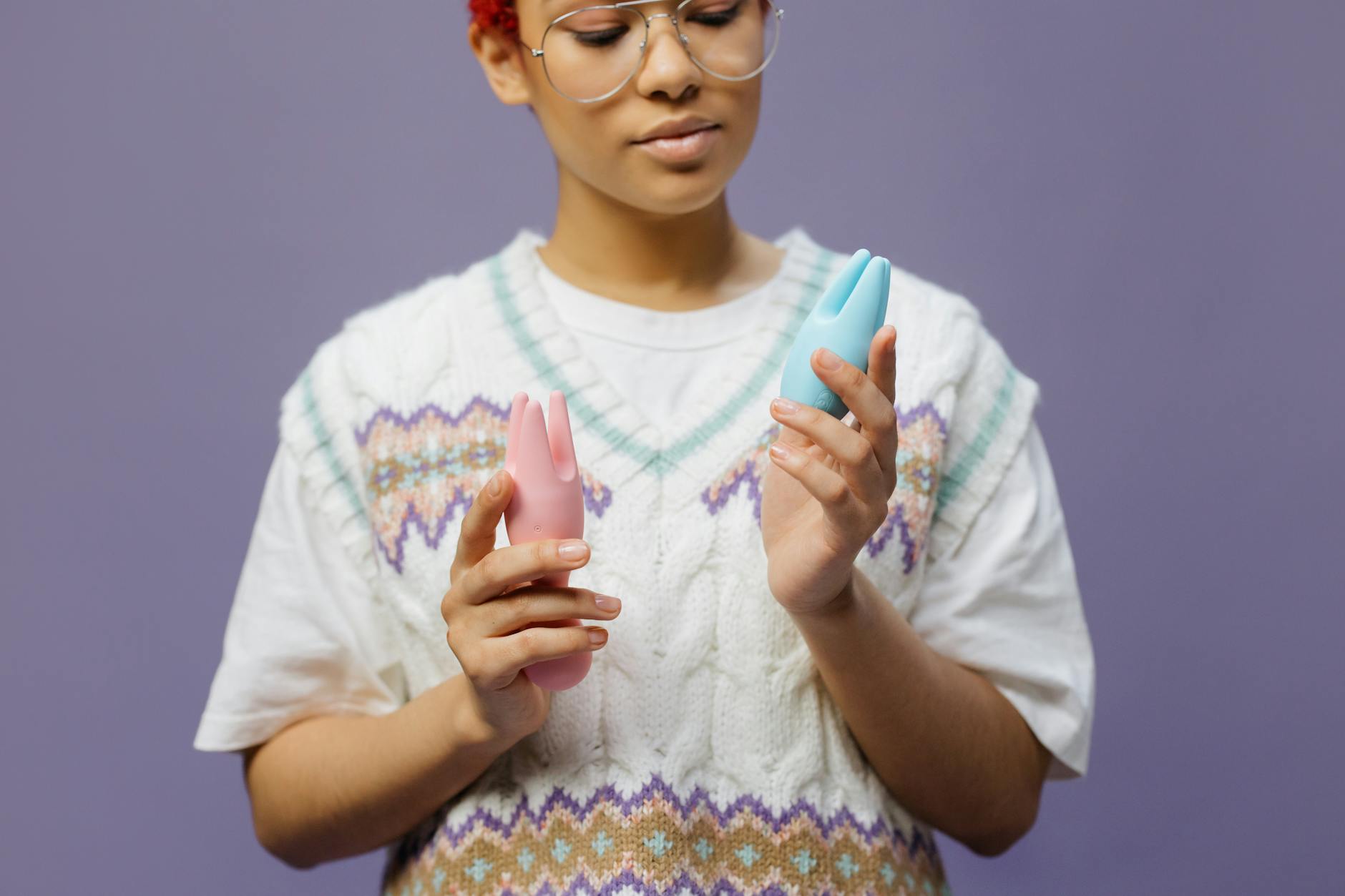
Here's what I've seen work: a lemon vibrator isn't a cure for anxiety, but it's a tool that can help you break the feedback loop by giving your nervous system permission to downshift while simultaneously creating strong enough sensations to register through the static.
Why anxiety dampens clitoral sensation
When you're anxious, your parasympathetic nervous system (the rest-and-digest branch) goes quiet. Your sympathetic system (fight-or-flight) takes over. That shift affects you physically in three concrete ways.
First, blood flow changes. Your body prioritizes muscles and lungs, not sexual tissues. Your clitoris becomes less engorged, which means less sensitivity. Second, your pelvic floor typically tightens as a protective response. Tension in the pelvic floor reduces sensation and can make touch feel uncomfortable rather than pleasurable. Third, your brain's reward circuitry dampens. Even when you're stimulated, your brain isn't wired to register it as pleasurable because it's too busy scanning for threats.
Add all three together, and "I can't feel anything" makes total sense.
The good news is reversible. Your nervous system can learn to downshift. And tools like a lemon vibrator can be part of that relearning.
How a lemon clitoral vibrator is different for anxious bodies
Most traditional vibrators rely on sensation that's subtle. If your nervous system is already dampening input, subtle becomes invisible. A lemon sucker (the design that Hello Nancy's uses) works through suction and gentle pulsing rather than direct vibration. That distinction matters for anxious bodies.
Suction creates a pressure sensation that's harder for anxiety to filter out. It's distinct from the light touch that your nervous system may be numbing. You feel it more reliably, and that reliability can actually help your brain start to trust that sensation is possible.
Second, the pulsing pattern in a lemon vibrator is rhythmic and predictable. Your anxious brain loves predictability. When you know what's coming next (pulse, pulse, pulse), your nervous system doesn't interpret it as a surprise threat. That consistency allows you to gradually relax rather than bracing against the unknown.
Grounding first, then the clitoral vibrator
Using a lem vibrator when you're in full anxiety mode rarely works. Your nervous system is too activated. The vibrator becomes just another thing happening to your body while you're mentally elsewhere.
Start with grounding. I recommend the 5-4-3-2-1 technique before you touch yourself or your vibrator. Name five things you can see. Four things you can physically feel (the couch texture, your feet on the floor, the weight of your blanket). Three things you can hear. Two things you can smell. One thing you can taste.
This takes about two minutes. It's not meditation. It's a deliberate signal to your nervous system: "We're safe right now. We're present."
Once you've done that, then start with the lem. Begin on the lowest setting. Don't jump to intensity. The goal right now isn't an orgasm. It's sensation. Can you feel the suction? Can you notice the pulsing pattern?
The three-phase approach to rebuilding sensation
Phase one focuses entirely on noticing. Spend three to five minutes (or longer if it feels good) simply observing what you feel. No pressure to respond, no goal. Just: "This is what the Lem feels like against me right now."
During this phase, some people find their mind wanders back into anxiety. That's normal. Notice that your mind wandered, then gently return attention to the physical sensation. You're literally retraining your nervous system to prioritize feeling over threat-scanning.
Phase two introduces breath. Breathing is one of the only parts of your nervous system you can control directly. If you've been holding your breath (which anxious people almost always do), that held breath keeps your sympathetic system activated. Start breathing slowly through your nose for a four-count, hold for a four-count, exhale for a six-count. The longer exhale signals safety to your vagus nerve.
Many people find that pairing breath with the vibrator's rhythm makes sensation feel more intense. You're breathing in sync with the Lem, and that coherence tells your nervous system you're in control.
Phase three is sensation-building. Once you've spent time noticing and breathing, you might want to shift intensity. Move to a higher setting. Experiment with angle. Notice what feels good without forcing anything. Some people find they can reach orgasm by this point. Others don't, and that's fine too. The goal is reconnection, not performance.
What changes in your body as anxiety releases
As you practice this, you'll notice physical shifts. The first one is usually blood flow returning. You'll feel your clitoris becoming more engorged and responsive. The second is pelvic floor release. You might notice yourself relaxing muscles you didn't realize you were clenching. Third is mental clarity. That background static of anxious thoughts quiets down, even if it doesn't disappear entirely.
These changes often happen gradually. You might not feel them all in one session. Some days your clitoris will feel more responsive than others. That's not a setback. That's just nervous system regulation in real time. Your body is learning that pleasure is safe.
If you find yourself in a pattern where anxiety returns strongly before or after using your lemon vibrator, talk to a therapist who specializes in sex-positive work. Sometimes anxiety during sex needs more support than a tool alone can provide.
The role of anticipation and routine
One of the most underrated aspects of rewiring an anxious nervous system is building anticipatory pleasure. When you know you're going to use your Lem vibrator in an hour, your brain starts downshifting in advance. Not because you're focusing on sex, but because you've created a safe, predictable container for pleasure.
Setting a specific time (not "whenever I feel like it") helps your nervous system. Lighting a candle. Playing a song you love. Making your space feel intentional. These are all signals to your nervous system that this is a designated pleasure time, not an intrusion into an already-crowded mental space.
Some people find that using their lemon clitoral vibrator on a regular schedule (two or three times a week) is more effective for anxiety-relief than waiting until they feel desperate for pleasure. The routine itself becomes grounding.
When to bring a partner into the picture
If you have a partner, anxiety during sex often gets tangled up with pressure to perform or perfectionism about responsiveness. Using your lem vibrator solo first is important. It gives you a chance to rebuild your own nervous system regulation before adding another person's expectations to the mix.
When you do want to involve a partner, communication is everything. Tell them what you've discovered about your body and anxiety. Explain that you might need the vibrator to feel sensation right now, and that's not a reflection on them or your attraction to them. It's a tool, like lube or positions.
Many partners feel relieved to have a concrete tool rather than being responsible for "making it work." Some couples find that using a lemon vibrator together becomes part of their own nervous system regulation, a way to connect when performance pressure would otherwise lock them both up.
When sensation-dulling is about more than anxiety
If dulled clitoral sensation persists despite anxiety management and regular use of your Lem vibrator, it's worth checking in with a healthcare provider. Sometimes sensation-dulling is also connected to medication side effects, hormonal changes, or past sexual trauma. Those need different support alongside or instead of a vibrator.
But in my experience, when anxiety is the primary driver, most people find that consistent use of a tool like a lemon vibrator combined with grounding and nervous system work creates measurable shifts in sensation within two to four weeks. Your body is designed to feel pleasure. Anxiety just locks it away temporarily.
FAQ: Clitoral Vibrators, Anxiety, and Sensation
Why does anxiety make my clitoris feel numb even when I want pleasure?
Anxiety activates your fight-or-flight nervous system, which redirects blood flow away from sexual tissues and toward your muscles and brain. Your pelvic floor also tightens as a protective response. Combined, these shifts reduce clitoral engorgement and sensation. It's not a sign of dysfunction. It's your body prioritizing perceived safety over pleasure. Grounding techniques and consistent use of a tool like a lemon vibrator can help your nervous system learn that pleasure is safe.
Is a suction vibrator better than a traditional vibrator for anxiety-dulled sensation?
Yes, often. Suction creates a pressure sensation that's usually harder for an anxious nervous system to filter out, compared to the lighter touch of traditional vibrators. A lemon clitoral vibrator's rhythmic, predictable pulsing also signals safety to your brain, which can help you relax into sensation rather than bracing against it. That said, everyone's different. Some people respond better to rumbly vibration. The key is finding what makes you feel something, rather than what feels subtle.
How long does it take to rebuild sensation if anxiety has been numbing me for months?
It depends on the depth of the anxiety and how long it's been happening. Most people report noticeable improvement in sensation within two to four weeks of consistent practice with grounding and a tool like the Lem. Some feel shifts within days. The important thing is regular, gentle practice rather than intensity. Your nervous system is learning, and learning takes repetition.
Can I use a lemon vibrator while actively anxious, or do I need to calm down first?
Using a lem vibrator while in active anxiety mode is rarely effective because your nervous system is too activated to register pleasure. Grounding first (using techniques like the 5-4-3-2-1 method) downshifts your nervous system before you bring in the vibrator. Once you've done grounding work, the vibrator becomes a tool for deepening that sense of safety and rebuilding sensation.
What if my partner's presence makes my anxiety worse during sex?
That's worth exploring separately, ideally with a sex-positive therapist. Sometimes the pressure of partnered sex itself triggers anxiety. Other times it's about unresolved relationship dynamics. Using your lemon clitoral vibrator solo first gives you a chance to rebuild your own capacity for pleasure in a low-pressure environment. Once you've done that grounding work, you and your partner can decide together whether to involve the vibrator in partnered sex or keep it as solo practice. There's no wrong answer.
Does using a vibrator make my anxiety about sensation worse if it doesn't work right away?
It can, which is why starting with the expectation of just noticing sensation (not reaching orgasm) is important. If you use the Lem expecting it to "fix" your numbness and nothing happens, that disappointment can feed anxiety. Instead, frame early sessions as data-gathering. "I'm learning what my body can feel right now." That takes pressure off performance and lets your nervous system actually relax.