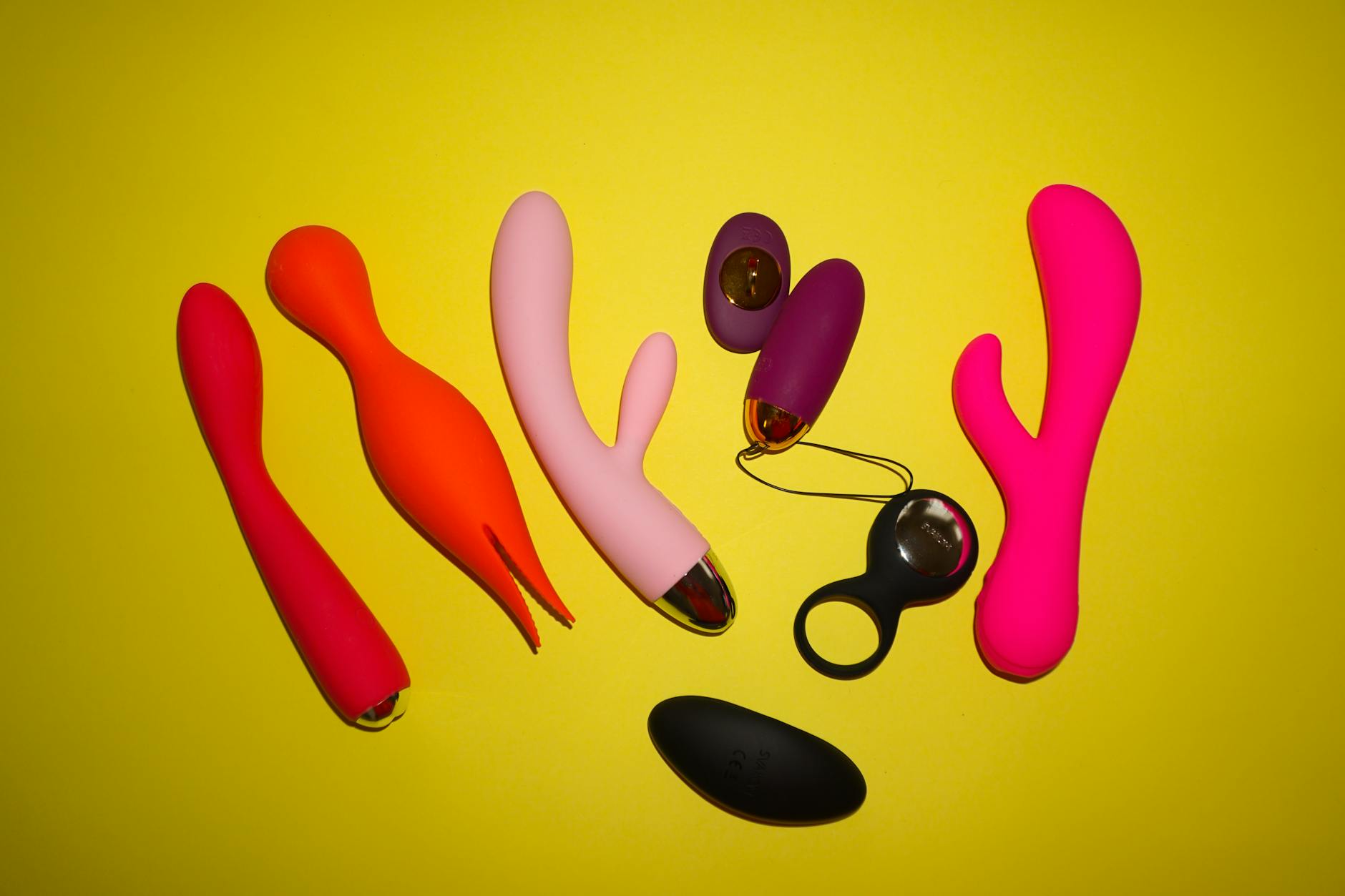
Here's what actually happens to sensation after menopause
Menopause doesn't kill your ability to feel pleasure. It does reroute how your body receives it. Estrogen drops by up to 90 percent. That shift changes tissue thickness, blood flow, and nerve sensitivity in ways that feel real and sometimes bewildering. Your clitoral tissue becomes thinner. The surrounding vulva loses some of its plumpness. Nerve endings don't fire quite as quickly when touched. None of this is permanent, and none of it means you're broken.
Here's the part most people don't know: decreased sensation after menopause often gets better with the right tools and consistent use. A lemon vibrator, specifically one that uses suction rather than direct vibration, can actually rebuild your sensitivity over time by increasing blood flow and retraining your nervous system to recognize pleasure signals.
Why sensation dulls after menopause (the physiology)
Three hormonal dominoes fall after menopause:
Estrogen loss thins tissue. Without circulating estrogen, the vulva, clitoral hood, and vaginal tissue lose water and elasticity. Thinner tissue means less cushioning between nerve endings and the surface. A light touch that once registered as arousing might now feel like almost nothing.
Blood flow slows down. Arousal happens when blood vessels dilate and fill tissue with blood. Estrogen keeps those vessels responsive. After menopause, arousal takes longer and doesn't build as intensely. Your clitoris might not plump up the way it used to.
Nerve firing becomes slower. This is the part that feels most frustrating. The same touch that used to send a signal instantly now takes longer to register. Some people describe it as a muffled sensation, like wearing gloves.
The good news: this is not neurological damage. Your nerve endings are still there. They're just asking for a different kind of stimulation to wake up. A lemon vibrator is almost purpose-built for this problem. The suction technology bypasses the need for direct friction and instead creates a gentle pulling sensation that stimulates the thousands of nerve endings in your clitoral complex without requiring intensity.
Why a lemon clitoral vibrator works better than other options now
Not all vibrators are equal after menopause. Here's why a lemon vibrator specifically helps when sensation feels muted.
Suction reaches deeper nerve clusters. A lemon vibrator uses air-pulse technology, which creates a suction effect rather than traditional vibration. That suction reaches nerve clusters deeper in the clitoral body that traditional vibrators miss. For post-menopausal bodies with thinner tissue, that's crucial because it means stimulation doesn't depend on surface sensitivity alone.
You can start gentle and build intensity without friction. Traditional vibrators rely on direct contact and friction. After menopause, friction can feel uncomfortable on thinner tissue. A lemon clitoral vibrator lets you start at pattern 1 or 2 and gradually increase to patterns 5, 6, 7 without ever creating that raw, overstimulated feeling.
It works with lubrication, not against it. Using a water-based lubricant with a lemon vibrator amplifies the suction effect and protects tissue. The lube creates a seal that makes the suction more efficient. With traditional vibrators, lube can make them too slippery to control.
Sensation improves with repetition. This is clinical observation backed by clients I work with regularly. The more consistently you use a lemon vibrator on the lowest settings, the faster your nervous system remembers how to receive pleasure signals. After four to six weeks of twice-weekly use, most people report noticeably increased baseline sensitivity. It's like you're retraining your body.
How to actually use a lemon vibrator when sensation feels muted
Step 1: Start with the lowest patterns and commit to staying there for two weeks.
Don't skip ahead. Pattern 1 or 2 on the Lemon is designed to be gentle enough that it feels almost subtle at first. That subtlety is the point. You're not chasing an immediate orgasm. You're waking up your nervous system. Set aside 15 to 20 minutes and use the lemon vibrator on the lowest setting every other day. Notice what you feel, even if it's barely anything. That barely-anything is your nervous system learning to listen again.
Step 2: Use plenty of water-based lubricant.
This is not optional. Apply lube directly to your vulva, then to the Lemon before you begin. The seal created by lubrication is what makes the suction technology actually work. Without it, you're just pressing a smooth toy against your skin. Reapply halfway through if it dries out. You're protecting thinner tissue and amplifying the suction effect at the same time.
Step 3: Focus on the external clitoris first, not internal stimulation.
After menopause, external stimulation is where the sensitivity lives now. Center the lemon vibrator over your clitoral head and hold it steady on pattern 1 or 2. Don't move it around. Let the suction do the work. Pressure and motion both came naturally before menopause. Now stillness is your friend.
Step 4: Gradually increase intensity only when you feel ready.
There's no timeline. After two weeks, if you want to try pattern 3 or 4, do it. If you want to stay on pattern 1 for a month, that's fine. Your nervous system will tell you when it's ready to receive more. Some people jump to pattern 5 within three weeks. Others take eight weeks. Both are normal.
Step 5: Pay attention to what builds, even if orgasm doesn't happen immediately.
After menopause, arousal might not crest into orgasm the way it used to. That doesn't mean nothing is happening. You might feel warmth building, a gentle pressure, tingling, or just a sense of relaxation and calm. All of that is sensation returning. An orgasm will likely follow eventually. But notice the journey first.
Combining a lemon vibrator with other post-menopausal adjustments
Using a lemon clitoral vibrator alone helps. Using it alongside other physical changes helps faster.
Pelvic floor attention matters. After menopause, your pelvic floor muscles lose tone. That affects how sensation travels. Gentle kegel exercises (five-second hold, five times, twice daily) strengthens the foundation. Some people also benefit from pelvic floor physical therapy, which teaches you to relax muscles that tighten in response to thinner tissue. A tight pelvic floor blocks sensation. A relaxed one lets it flow.
Warm-up takes longer now. Budget 20 to 30 minutes instead of 5 or 10. Your body is not broken. It just needs more time to redirect blood flow and activate your parasympathetic nervous system. Use that time for foreplay, touching other parts of your body, or just lying with your partner without pressure to perform.
Mental state is half the equation. After menopause, decreased sensation can trigger anxiety ("Am I losing this forever?") which actually makes sensation harder to access. Before using a lemon vibrator, spend a few minutes grounding yourself. Notice three things you can see, two you can touch, one you can hear. That simple exercise pulls you out of your head and into your body, which is where pleasure lives.
When to see a doctor about sensation loss
Some sensation loss after menopause is typical. Some is worth investigating.
See a menopause-trained gynecologist if sensation loss happened suddenly or asymmetrically. If one side of your body went numb but the other didn't, or if you woke up one day and sensation was just gone, that's worth a checkup. Sudden changes can indicate nerve compression or other issues a healthcare provider should evaluate.
Talk to your doctor if vaginal pain appears alongside sensation loss. Genitourinary syndrome of menopause (GSM) can cause both. A topical estrogen cream applied locally (not absorbed systemically in any meaningful way) often reverses both pain and sensation loss within two to four weeks.
Ask about hormone therapy if sensation loss is severe and affecting your quality of life. Systemic hormone replacement therapy doesn't work for everyone, but for some people, restoring estrogen levels rebuilds sensation and tissue thickness faster than any other intervention. It's worth a conversation with a doctor who specializes in menopause.
Why rebuilding sensation matters
Honestly, decreased sensation after menopause gets framed as an inevitable decline. It's not. It's a recalibration. Your body hasn't forgotten how to feel pleasure. Your nervous system is just asking for different input. A lemon vibrator provides exactly that input. When you rebuild sensation consistently, you're not just restoring physical pleasure. You're reclaiming your right to feel good in your own body at a time when culture tells you that ship has sailed. It hasn't. You're just at a different latitude now.
Frequently asked questions
Can a lemon vibrator help with sensation that's been numb for years?
Yes, often. Nervous systems can rewake even after years of decreased sensitivity. It takes consistency, though. Three to four months of twice-weekly use is a reasonable timeline for significant improvement. Your nervous system didn't lose the ability to feel pleasure overnight, and it won't regain it overnight either. But it will regain it.
Is decreased sensation after menopause permanent?
No. Some people regain baseline sensitivity through consistent use of tools like a lemon vibrator. Others find that combining a clitoral vibrator with topical estrogen cream or systemic hormone therapy accelerates the process. A few find that sensation shifts but never fully returns to pre-menopausal levels. The good news: shifted sensation isn't worse sensation. It's often described as deeper, more localized, and easier to control.
Do I need to use a lemon vibrator forever to maintain improved sensation?
Most people find that after three to four months of consistent use, sensitivity stabilizes even with less frequent use. You don't need to use it every day forever. But many people continue because they like the experience, not because they're afraid sensation will disappear again. If you stop using it entirely for months, some dulling might return. That's normal. Restarting usually brings sensitivity back within two to three weeks.
Can I use a lemon vibrator with my partner, or is it just for solo use?
A lemon clitoral vibrator works beautifully with a partner. Some couples use it during foreplay, some use it during partnered sex, some use it while their partner is watching. There's no wrong way. The suction technology is gentle enough that it doesn't interfere with penetration if that's part of what you do. Many couples find that adding a lemon vibrator to partnered sex actually rebuilds intimacy after menopause because it removes the pressure for one person's body to function a certain way.
Should I feel pressure to orgasm when using a lemon vibrator?
No. The goal is to rebuild sensation and pleasure, not to hit a performance target. Some people orgasm immediately. Others need four to six weeks of consistent use before orgasm feels possible again. Both are fine. If you're using a lemon vibrator and feeling pressure to come, that pressure is working against you. It's the opposite of the mindset that rebuilds sensation. Notice what feels good. Let that be enough.
Is using a lemon vibrator during menopause cheating or not "natural"?
Nope. After menopause, your body's chemistry changes. A lemon vibrator is a tool that works with that new chemistry, not against it. It's as natural as using reading glasses after your eyes change or using a heating pad for achy joints. Your body asked for different input. A lemon clitoral vibrator provides it. That's not cheating. That's adaptation.
The path forward
Decreased sensation after menopause feels like loss until you realize it's actually transition. Your nervous system isn't broken. It's just speaking a different language. A lemon vibrator helps you learn that language. Consistency matters more than intensity. Patience matters more than performance. And the pleasure that comes after menopause, when you finally rebuild it? Many people describe it as richer than anything that came before. You've got time. Your body still works. And now you have a tool that actually fits how your body works now.