Here's what nobody tells you about fading sensation
One day orgasms feel like fireworks. The next phase of your life, they feel like a dim spark. That's not your imagination. It's not that you're broken, bored, or losing your edge. It's your hormones shifting, and it's wildly common.
The frustrating part? Most conversations about hormonal changes focus on desire or lubrication. Nobody really talks about intensity. But plenty of people report that orgasms feel flatter, shorter, or less building during perimenopause, postpartum recovery, or after hormonal birth control changes. You're probably not alone in noticing this.
The good news is that sensation dulling is entirely reversible. A lemon clitoral vibrator, also called a lemon sucker or the Lem, works particularly well because it works with your nervous system instead of against it. Here's why it matters and how to use one when your orgasms have lost their spark.
Why hormones flatten your orgasm sensation
Your clitoris is incredibly hormone-responsive. Estrogen controls blood flow to the area, maintains nerve density, and affects how quickly sensation builds to a peak. When estrogen drops, blood flow slows. The tissue gets thinner. Nerve signals take longer to reach your brain.
Progesterone also plays a role. Higher progesterone levels, common during certain parts of the cycle and in early pregnancy, can dampen overall sensitivity and slow arousal. Thyroid hormones affect metabolism and sexual response too. Any major hormonal shift throws off the delicate calibration that makes orgasms feel intense.
It's not permanent. Your body isn't broken. The nerve endings are still there. The arousal pathway is still functional. You're just working with less of the hormonal fuel that makes everything feel amplified.
How estrogen impacts clitoral sensation specifically
Think of estrogen as the volume knob on your clitoris. When it's high, sensation feels vivid and building. When it drops, everything gets quieter. This happens during:
- The luteal phase of your cycle (post-ovulation)
- Perimenopause and menopause
- The first 6-12 weeks postpartum
- Early months after starting hormonal birth control
- Breastfeeding (which tanks estrogen)
- High-stress periods (cortisol suppresses estrogen production)
The clitoral glans has roughly 8,000 nerve endings. Estrogen keeps those endings sensitive and responsive. Without it, you need more direct stimulation to reach the same sensation level. This is where air-suction toys like a lemon vibrator come in. They provide precisely the kind of sustained, deep stimulation that works when sensation is naturally muted.
Why a lemon vibrator works when sensation is dulled
A traditional vibrator moves side-to-side or up-and-down. It's fast, rhythmic, and fun. But when your clitoral tissue is less responsive, that surface-level vibration may feel more like tapping than building sensation.
A lemon clitoral vibrator uses gentle air-pulse suction instead. Rather than vibrating the clitoris directly, it creates a seal around the area and pulses waves of suction. This stimulates much deeper nerve bundles. It's like the difference between someone tapping your shoulder and someone giving you a deep massage. Same area, completely different nerve involvement.
When estrogen is low and sensation is dulled, that depth makes all the difference. The lemon sucker can wake up nerves that feel dormant. Many people find their first intense orgasm in months comes within the first few sessions of using one.
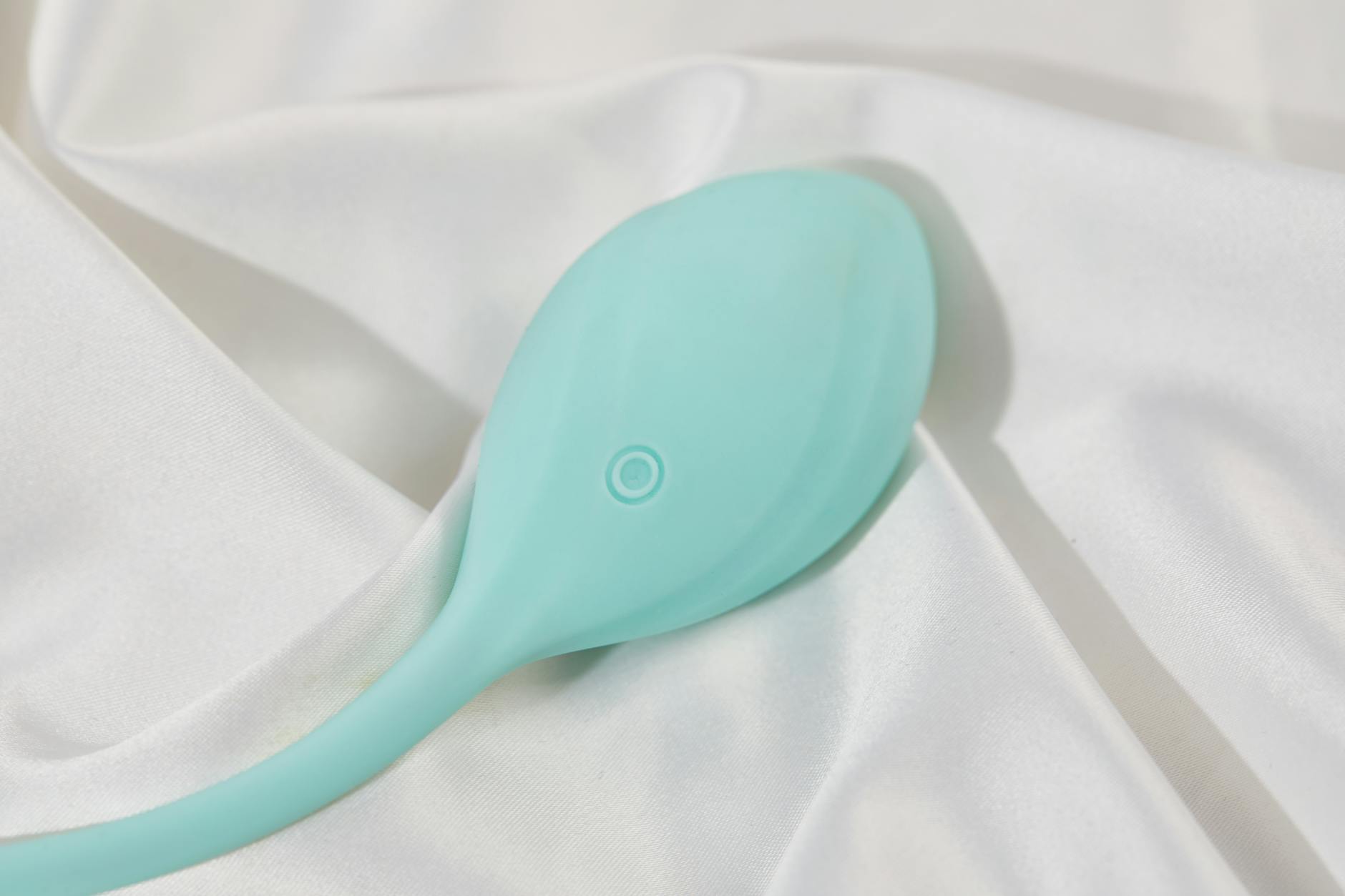
Photo by IFONNX Toys on Pexels
The practical settings and pacing for muted sensation
If you've used a lemon vibrator before but stopped because it wasn't working, the issue might be your starting point. When sensation is naturally dulled, you need different settings than someone with baseline sensitivity.
Start at pattern 3 or 4 on the intensity dial, not pattern 1. Your tissue simply won't register pattern 1 right now. It's not broken. You're just matching the tool to your current state.
Spend 5-8 minutes on suction patterns before moving to pulsing patterns. Suction wakes up deep sensation. By the time you switch to pulsing, your clitoris is primed and more responsive.
Extend your warm-up time to 15-20 minutes total. When hormones are low, your body needs more time to build arousal before you reach for any toy. This isn't a sign something is wrong. It's how your nervous system works right now. Honor it.
Use water-based lubricant even though tissue might feel drier. Yes, it seems counterintuitive. But lube reduces friction and allows the suction seal to work better. A stronger seal means deeper stimulation.
Rebuilding sensation between sessions
You don't get back to baseline intensity overnight. But consistent use of a lemon clitoral vibrator over 2-4 weeks typically restores noticeable responsiveness.
The mechanism is simple. Repeated deep stimulation teaches your nervous system to respond again. You're essentially retraining the nerve pathways that hormonal shifts dampened. This is why daily or every-other-day use beats sporadic sessions.
Keep a simple note of what patterns feel good on which days. Sensation may shift slightly depending on where you are in your cycle or stress level. That data becomes incredibly useful. After two weeks, you'll likely notice you can reach orgasm faster and with more intensity than when you started.
Many people who've experienced hormone-related sensation dulling report that they end up with more intense orgasms post-restoration than they had before the shift. That's because they've learned their own pleasure landscape more deeply.
When to layer in other strategies
A lemon vibrator is often enough on its own. But sometimes combining it with other approaches speeds up the return to baseline sensation.
Consider scheduling your sessions during the follicular phase of your cycle, when estrogen is naturally rising. If you're postpartum or on hormonal birth control, talk to your doctor about whether estrogen levels are particularly low. Targeted information helps.
If you're in a relationship and sensation dulling is affecting partnered sex, involve your partner. Let them know this is a hormonal phase and you're actively addressing it. Having someone who understands makes the whole process feel less isolating. It also opens the door for them to use the lemon vibrator with you, which many couples find deepens reconnection.
If you're taking antidepressants or other medications that affect sensation, talk to your doctor before assuming hormonal shifts are the only culprit. Medications and hormones often interact. Getting clear on what's driving the change helps you choose the right strategy.
People also ask
How long does it take for orgasm intensity to come back after hormonal changes?
Most people report noticeable improvement within 2-4 weeks of consistent use of a clitoral vibrator like a lemon sucker. Significant restoration often takes 6-8 weeks. This timeline assumes the hormonal shift is temporary. If you're in perimenopause or menopause, intensity may not fully return to pre-shift levels, but it typically becomes powerful and satisfying again with the right tools.
Can a lemon vibrator make sensation come back if I'm in menopause?
Yes. Menopause creates a permanent hormonal state, but that doesn't mean orgasms become weak. Many postmenopausal people report the most intense orgasms of their lives once they learn what their body needs. A lemon clitoral vibrator works exceptionally well because the deeper nerve stimulation doesn't rely on baseline estrogen. You're working with your current hormonal reality, not fighting it.
Will using a lemon vibrator too much make me numb to sensation?
No. This is a common myth. The opposite is true. Consistent stimulation trains your nervous system to respond. You might feel a temporary plateau around week 2-3 (which is totally normal and temporary), but long-term use restores and deepens sensation. If anything, regular use with a tool like the Lem makes you more attuned to pleasure.
Should I use the lemon vibrator alone or with a partner if sensation is dulled?
Start alone. When you're learning your body's new baseline, distractions and performance pressure make the process harder. Once you've felt what intense sensation is like again with a lemon vibrator on your own, partnered exploration becomes more natural. Many people then introduce their partner to the toy, which can deepen intimacy significantly.
Is there a difference between a lemon vibrator and other clitoral vibrators for muted sensation?
Yes. Traditional vibrators work through vibration, which is fast and surface-level. Air-pulse toys like a lemon clitoral vibrator use suction to stimulate deeper nerve bundles. When estrogen is low and tissue is less responsive, that depth makes air-pulse suction significantly more effective. For hormone-dulled sensation specifically, a lemon sucker outperforms standard vibrators in most cases.
What if I've tried a lemon vibrator and felt nothing?
You likely started on too low a pattern or with too little warm-up time. When sensation is dulled, pattern 1 and 2 often feel like nothing. Jump to pattern 3 or 4. Also extend your solo warm-up time to at least 15 minutes before introducing the toy. A third factor is lube. Even though your tissue might feel dry, adding water-based lubricant makes the suction seal work better. Try these three adjustments before concluding the tool doesn't work for you.
Next steps
Dulled sensation during hormonal shifts is temporary or manageable. It's not a sign that pleasure is leaving your life. It's a signal that your body needs a different kind of stimulation right now.
A lemon clitoral vibrator is specifically designed for this moment. It works with your nervous system instead of against it. Most people who use one consistently report restored intensity and deeper pleasure within weeks.
If you have questions about your hormonal health or are concerned that sensation loss is tied to something other than expected hormonal shifts, reach out to your doctor or a relationship therapist. The right support makes all the difference. You deserve pleasure that feels as good as it used to. Let's get you there.
Ready to explore? Get in touch if you'd like personalized guidance on choosing the right tool for your body right now.