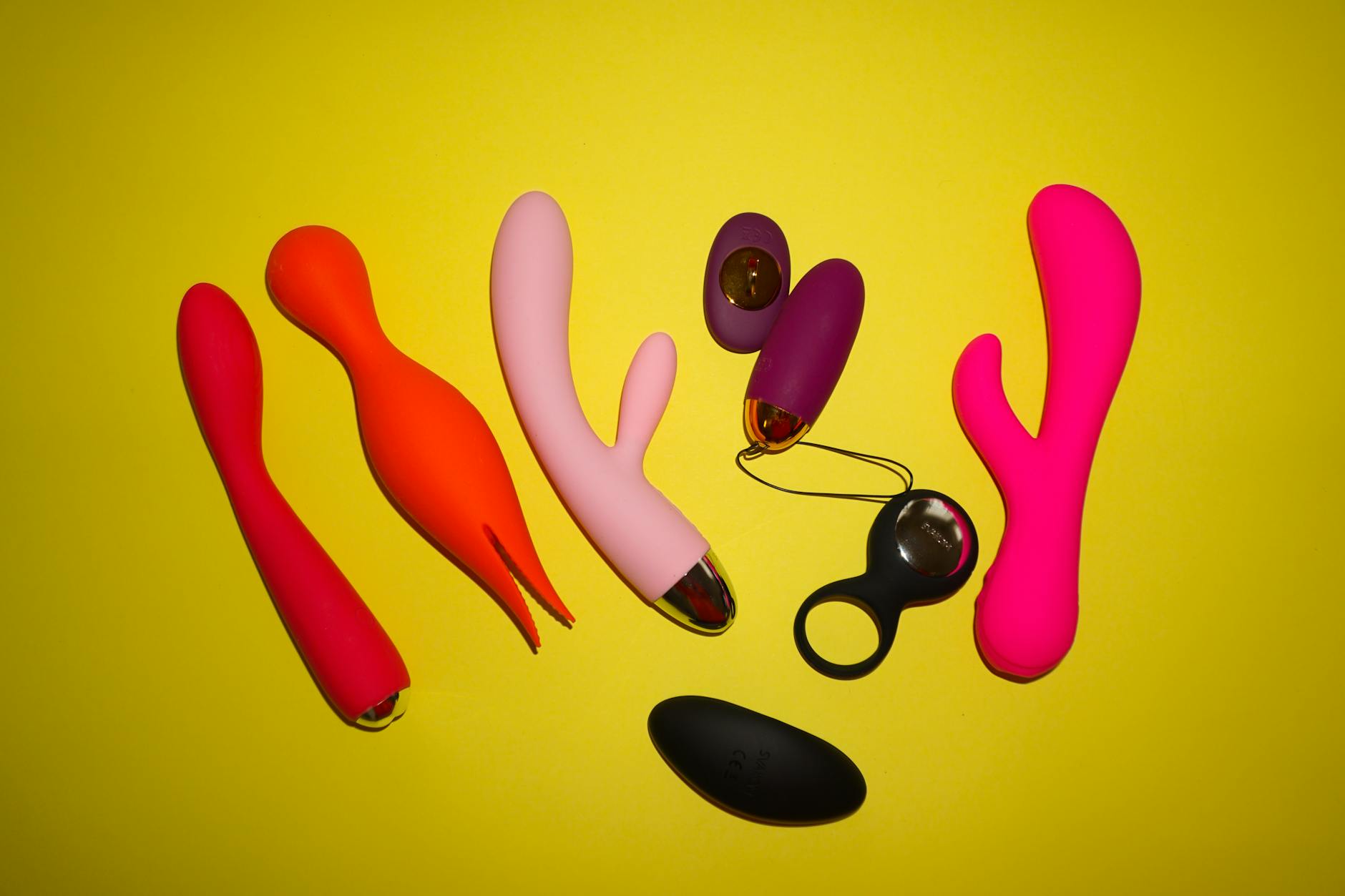
Here's what nobody tells you about trauma and arousal
Trauma doesn't kill desire. It does something weirder and more complicated: it convinces your body that pleasure is dangerous. Your nervous system gets stuck in a state of hypervigilance, scanning for threat even when you're safe. That rewiring is physical, not psychological. Your brain literally reorganizes how it processes sensation, touch, and the signals that should lead to arousal.
For many people, this means that traditional approaches to rebuilding intimacy don't work. Breathwork helps. Communication helps. But sometimes your body needs permission to feel pleasure differently before any of that lands. And that's where tools like the lemon clitoral vibrator come in.
Why trauma flattens sensation
When you experience sexual trauma, your body learns to protect you by dampening sensation. This is not a malfunction. It's a survival mechanism. Your nervous system says: "Don't feel that. Don't go there." Over time, this protective numbing extends beyond the traumatic memory into your whole experience of pleasure.
Your vagal tone shifts. Your pelvic floor stays subtly tense. Your clitoris, which relies on full blood flow and nervous system availability to respond, gets less of both. You might find that arousal doesn't build at all, or that it hits a ceiling and plateaus. Or that touch that should feel good feels intrusive or uncomfortable instead.
The research from trauma specialists like Bessel van der Kolk confirms what therapists have long observed: trauma lives in the body. You can't think your way out of it. You have to rebuild sensation from the ground up.
Why suction stimulation works differently for trauma survivors
Traditional vibration can feel overstimulating to people with trauma histories. It's a lot of direct pressure and intensity, and for nervous systems that are already in overdrive, that can register as threat rather than pleasure.
Suction works differently. The lemon clitoral vibrator uses gentle air-pulse technology that stimulates the thousands of nerve endings around and inside the clitoris without the same mechanical intensity. It feels more like a slow wave of sensation than a direct press. For people rebuilding their relationship with pleasure after trauma, this can be the difference between feeling triggered and feeling safe.
You're not trying to override your nervous system. You're trying to signal to it that this particular sensation is different. That it's chosen. That it's under your control. Suction devices like Hello Nancy's lemon suckers create that distinction in a way that traditional vibrators often can't.
Starting small: the permission paradox
Here's the part that surprised my clients who were working through trauma: giving yourself permission to not have an orgasm, or to stop anytime, actually made pleasure possible.
When you've experienced sexual trauma, your body often has a baseline expectation that sex is something that happens to you, not with you. Reclaiming agency means rebuilding your sense of choice at every step. This is not soft or gentle language. It's structural.
Start with the lemon vibrator on the lowest setting, alone, with no expectation of reaching climax. The goal is sensation for its own sake. Feel the suction. Notice where it feels good. Notice where it feels weird or uncomfortable. Your body will tell you the truth if you listen without judgment.
Many people find that their nervous system needs 5-10 minutes just to realize nothing bad is happening. You're literally retraining the survival response. That's not wasted time. That's the work.
Rebuilding the bridge between body and brain
Trauma creates a disconnect between what's happening physically and what your brain believes is safe. You might feel arousal starting and then your mind spins up a story: "This is not safe. This will hurt. Remember last time." Your body shuts down instantly.
Using a lemon clitoral vibrator with intention can help rebuild that bridge. Because you're in control of every variable: the intensity, the duration, the pattern, when it stops. When your mind generates a threat story, you can literally change the sensation immediately. You can pause. You can turn it off. You can restart.
That cycle of choice and safety, repeated over weeks, actually reorganizes your nervous system. This is somatic therapy in action, though you don't need a therapist's office to do it. Your body learns: "This time, I was in control. I chose to stop. I chose to start again. Nothing bad happened."
The role of patience, and why it matters
If you're working through trauma, your arousal timeline will not match the mainstream narrative about sex. You might need 20 minutes of sensation play before anything registers as pleasure. You might have a week where your body suddenly says "nope" and you need to dial it back completely. You might have breakthroughs followed by setbacks.
This is normal. Your nervous system is learning something new. Patience is not a luxury here. It's the actual tool.
I often recommend to clients that they bookmark a specific time each week for this work, with no outcome attached. Not "I want to reach orgasm." Just: "I want to spend 15 minutes with my lemon vibrator and see what happens." Some weeks, nothing much does. Other weeks, you'll feel sensation blooming in places that went numb years ago.
When to bring a partner in (and when to keep it solo)
If you're in a relationship, your partner might want to be part of this. Some trauma survivors find that incredibly healing. Others find that having another person present, even a trusted one, reactivates the nervous system's protective response.
There's no right answer. The right answer is what your body tells you. If you want your partner involved, consider starting with them present but not touching. You use the lemon vibrator on your own timeline. They sit nearby, maybe reading or relaxing. Their job is not to initiate or encourage or cheer you on. Their job is simply to be there without demand.
Over time, some people find that they can introduce touch. A hand on the shoulder. A kiss on the forehead. Slow, predictable, always with permission first.
Others find that solo exploration needs to stay solo for months or years. That's fine. You're not on a timeline.
Common setbacks and what they actually mean
You'll probably have a week where your body suddenly registers the vibrator as overwhelming or wrong, even though it felt fine the week before. This is not failure. This is your nervous system being honest about where it is that day.
Stress spikes. Triggers resurface. Sleep deprivation happens. All of these shift your nervous system's baseline. Your body is not being difficult. It's being protective.
When this happens, dial back. Switch to the lowest intensity or try a shorter session. Some weeks, solo exploration looks like five minutes of gentle stimulation while listening to a grounding meditation. That still counts.
Building toward connection without pressure
The goal of all this work is not a specific outcome. It's not "have an orgasm" or "enjoy partnered sex by month six." The goal is rebuilding your sense of safety within your own body. Pleasure follows from that, usually over time.
Many of my clients find that after weeks or months of consistent solo exploration with their lemon clitoral vibrator, something shifts. Their nervous system starts to believe that sensation can be good. That they can choose it. That their body belongs to them. From that foundation, everything else becomes possible.
Intimacy with a partner. Spontaneous arousal. Orgasms that feel different than they did before the trauma, sometimes deeper and more connected. These often emerge naturally once you've done the foundational nervous system work.
FAQs
Can I use a lemon vibrator if I'm still in active trauma therapy?
Absolutely, and I'd recommend mentioning it to your therapist. A good trauma-informed therapist will see this as part of your healing toolkit. They might even guide you on pacing or intensity based on what's coming up in your sessions. Trauma processing and sensual exploration can work together, though sometimes you'll need to pause one while you focus on the other.
What if the vibrator triggers a flashback?
Stop immediately. This is not a failure. Your body is giving you information. Take a break for several days or a week, then try again at a much lower intensity or in a different environment. If flashbacks keep happening, work with a trauma therapist before continuing. Your nervous system needs support in processing what's surfacing, not just distraction.
How long until I feel "normal" arousal again?
There's no normal. Every person's timeline is different, depending on the nature of the trauma, how long ago it happened, and what other support you have in place. Some people notice shifts in weeks. Others need months or years. Progress isn't linear. You might feel big improvements and then have a rough month. That's the nervous system learning. Keep going.
Is it okay to use my lemon vibrator if I'm on antidepressants or anti-anxiety medication?
Yes. Many people find that medication supports their healing work by taking the edge off hypervigilance, making it easier for sensation to register as safe. If you notice that your medication is completely flattening sensation, talk to your prescriber about timing or dosing. Don't stop on your own, though.
What if my partner feels threatened by me exploring solo with a vibrator?
This is about your healing, not about your relationship. You can invite your partner to understand why this matters: "I'm rebuilding my sense of safety in my body after trauma. Using a clitoral vibrator solo is part of that. This isn't about our sex life. It's about me reclaiming my own body." If your partner can't hold that boundary respectfully, that might be worth exploring in couples therapy.
Can I combine my lemon vibrator with grounding techniques?
Yes, and many people find it powerful. Try using your vibrator while practicing a body scan meditation, or while listening to a grounding audio. The sensory input from the vibrator plus the mental focus of the grounding technique can help your nervous system stay present and safe.
You're not broken, just recovering
Trauma changes how your body processes pleasure and safety. That's not a personal failing. It's a normal response to abnormal circumstances. Using tools like Hello Nancy's lemon clitoral vibrator to rebuild your relationship with sensation is a legitimate part of healing.
Your pleasure matters. Your body's safety matters. Taking the time to reclaim both, on your own timeline, is one of the most radically self-honoring things you can do.
If you're navigating this alone and it feels overwhelming, that's what your support network is for. Therapists trained in trauma. Somatic practitioners. Communities of survivors who understand. You don't have to figure this out in isolation.
Reach out to Hello Nancy's team or a trauma-informed therapist when you need guidance. You deserve support that meets you where you actually are.