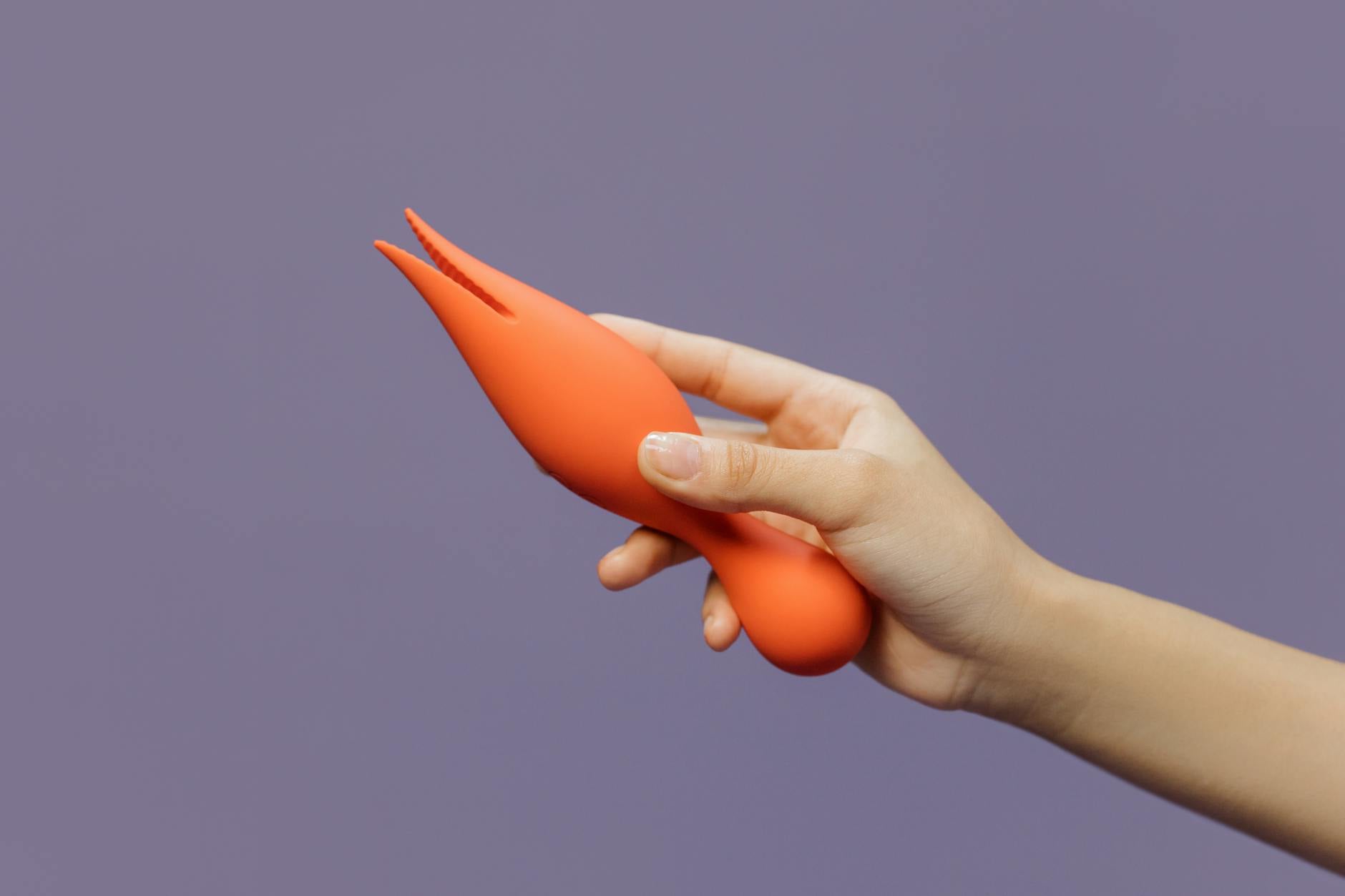
Let's be honest about aging and sensation
Something shifts. Maybe it's subtle at first. You notice the vibrator feels different than it did five years ago. Not worse, exactly, but requiring a different approach. This isn't failure. This is your body telling you exactly what it needs if you're willing to listen.
Physical sensation changes across the lifespan. Skin thins slightly. Nerve sensitivity can fluctuate with hormones, stress, medications, and just the simple passage of time. The clitoris itself doesn't age out of pleasure. But how pleasure arrives? That often changes. And that's where most people get stuck. They keep using their lemon vibrator the same way and wonder why it's not working.
Here's what I tell clients: adaptation is not compromise. It's optimization.
What actually changes with sensation over time
Three main things shift as we age, and understanding each one helps you reclaim pleasure instead of chasing it.
Nerve response time. Your nervous system still fires, but it can take longer to register sensation. This isn't about numbness. It's about tempo. Arousal builds slower. The body needs more time to warm up. Many people interpret this as "loss of sensation" when it's actually "different rhythm."
Tissue thickness and texture. The external genital tissue becomes slightly thinner over time, especially after menopause. This means direct pressure from a vibrator that felt perfect at 35 might feel too intense at 55. But it also means you can often find a sweeter spot by shifting angle, reducing intensity, or adjusting pattern.
Blood flow to the clitoris. Cardiovascular health directly affects genital blood flow, which drives arousal and sensation. If you're less active, more stressed, or dealing with health changes, blood flow to the genitals can decrease. This sounds clinical, but it's actually useful information. It means that aerobic exercise, stress management, and pelvic floor work aren't just general health. They're directly feeding your pleasure.
How to adjust your lemon vibrator technique as sensation changes
If you already own a clitoral vibrator like the Lem, you have most of the tools you need. You're just deploying them differently.
Start at the lower settings. This is the first shift most people need to make. If you've been using pattern 4 or 5 for years, try starting at pattern 1 or 2 instead. Your body might surprise you. Lower intensity often creates more sensation because you're not overwhelming the nerve endings. You're inviting them to wake up gradually. Build up to higher patterns only if you want to.
Extend your warm-up time. Budget 20-30 minutes instead of 10. This isn't inefficiency. This is working with your nervous system rather than against it. Spend the first 10-15 minutes with the vibrator at a very low setting, just exploring. Let arousal build at its own pace. Many people find that patience at the beginning leads to more intense climax at the end.
Angle matters more now. The angle of your vibrator against the clitoris can dramatically change sensation. If direct pressure feels uncomfortable, try tilting slightly, or using the vibrator on the sides rather than the tip. With the Lem's suction mechanism, you also have the option of varying the depth of contact. Experiment with how deep you want the contact to be. Shallower contact sometimes feels better than full suction when tissue sensitivity changes.
Use lubricant, even if you used to produce plenty on your own. Water-based lube isn't just for after menopause. It's useful whenever sensation is shifting because it reduces friction without changing the vibration quality. It also gives your skin permission to relax, which paradoxically often increases sensation.
Why pattern, not just intensity, matters
Most lemon vibrators offer different patterns in addition to intensity levels. As sensation changes, patterns become your secret weapon.
If you've been using a steady vibration pattern, try switching to a rhythmic pattern. Rhythmic patterns often feel more stimulating to an aging nervous system than pure vibration. They create variation that keeps the nerves engaged. If you're used to a specific pattern, try three others before deciding what works now. Your nervous system might prefer something completely different than it did a decade ago.
The Lem suction feature works beautifully with this principle. The on-off rhythm of suction creates natural pattern variation. If steady vibration feels dull or overwhelming, suction often lands in a sweeter middle ground.
The mental game that makes or breaks it
Here's what I see most often: a person adjusts their technique perfectly, lowers the intensity, extends warm-up time, and then sabotages everything by spending the whole session worrying that it's not working the way it used to.
The body knows when you're frustrated. It contracts. Blood flow decreases. Sensation actually worsens.
Your job is to get curious instead. "Oh, this intensity level feels sharper than the higher one. That's interesting." "I needed 25 minutes to feel fully aroused tonight instead of 10. That's fine." "This angle feels better than the direct approach." Curiosity opens the nervous system. Frustration closes it.
Many people report that their most satisfying orgasms come after they stop chasing what used to work and start exploring what works now. You're not mourning lost sensation. You're discovering new sensation.
When to see someone about sensation changes
If sensation drops suddenly and dramatically, that's worth mentioning to your doctor. Sudden numbness can indicate a nerve issue or a medication side effect. But gradual shift over years? That's normal aging, and it's absolutely workable.
If pain appears (not just less sensation, but actual discomfort), mention that too. Sometimes medication or hormone changes can create discomfort that feels like lost sensation but actually needs addressing.
If you're on medications that affect sensation (certain blood pressure meds, antidepressants, diabetes medications), ask your prescriber if timing or dosage could be adjusted without compromising health. Sometimes small changes make a real difference.
Building back stamina and intensity gradually
One thing I notice people resist: the idea of building back sensation the way you'd build back strength after an injury.
You wouldn't do 50 pushups after a year off the gym. You'd build gradually. Same principle applies here. If sensation has dulled significantly, spending two weeks exploring at lower intensities and shorter sessions actually primes your nervous system to respond better long-term.
Think of it as neural rehabilitation. Your clitoris hasn't forgotten how to feel intense pleasure. Your nervous system just needs a training period to remember how to access it. How to use a lemon vibrator to build stamina for longer intimate sessions covers this in depth, but the short version: more frequent, shorter sessions beat fewer, longer marathons when you're rebuilding.
The role of blood flow and cardiovascular health
This is the part that surprises people. Your pleasure is connected to your cardiovascular system in very direct ways.
Genital blood flow drives arousal. Arousal drives sensation. If your cardiovascular health has changed over the years, your sexual response changes too. This isn't a personal failing. It's just physiology.
Modest improvements in cardiovascular fitness (even light, consistent movement) often produce surprising improvements in genital sensation and arousal within weeks. That doesn't mean you need to overhaul your life. It means a 20-minute walk most days, or gentle yoga, or dancing to music you love might actually improve how your lemon vibrator feels.
Same with stress management. Chronic stress tightens the pelvic floor and constricts blood vessels. It literally reduces sensation. A meditation practice, therapy, or just time with people you love can shift sensation noticeably because you're de-stressing your nervous system.
Real talk: sometimes you discover better pleasure
I've worked with hundreds of people navigating sensation changes with age. The pattern I see most often isn't sadness or loss. It's surprise at how good things can still feel, just different.
Many people find their most intense orgasms after they stop fighting their body's evolution and start working with it. Lowered intensity sometimes actually creates sharper sensation. Extended warm-up builds more arousal than rushing. Different patterns surprise you in the best ways.
Your pleasure hasn't expired. It's just demanding more honesty and attention from you. Give it that, and it usually rewards you.
People also ask
Does sensation permanently decrease with age, or can it come back?
Sensation typically shifts rather than permanently decreases. Many people experience changes over months or years, but with adjusted technique, increased cardiovascular health, stress management, and sometimes hormone therapy, sensation often returns to satisfying levels. The key is not fighting the change but understanding what your body needs now.
Can medications affect how a lemon vibrator feels?
Absolutely. Antidepressants, blood pressure medications, antihistamines, and some diabetes drugs can affect genital sensation and arousal speed. If you started a medication and noticed sensation changes around the same time, mention it to your prescriber. Dosage adjustments or timing changes sometimes help without compromising the medication's benefits.
Is it normal for warm-up time to get longer as you age?
Completely normal. Longer arousal time isn't dysfunction. It's just a different rhythm. Your nervous system might need more time to activate, or blood flow might build more gradually. Treating this as natural rather than problematic actually makes it easier to work with. Budget the time, get curious about what your body wants during that warm-up, and arousal usually builds exactly as it should.
Should I switch to a different vibrator if sensation changes?
Not necessarily. Often the same vibrator works beautifully with different settings, patterns, angles, and warm-up time. Before replacing it, experiment with lower intensity levels, different patterns, and angle adjustments. Many people discover their existing vibrator works better than ever once they stop using it the way they used to. How to choose a lemon vibrator for your body type and sensation preferences goes deeper if you do want to explore other options.
Can exercise really improve sensation?
Yes. Cardiovascular fitness directly affects blood flow to the genitals, which drives arousal and sensation. Consistent aerobic activity, even moderate, often produces noticeable improvements in genital sensation within 4-6 weeks. Pelvic floor exercises also help because they increase blood flow and nerve awareness in that area.
What's the difference between reduced sensation and pain during sex?
Reduced sensation is dulled pleasure or delayed arousal. Pain is discomfort or soreness. If you're experiencing pain, that's worth discussing with a doctor because it can indicate tissue changes, infection, or other issues that respond to treatment. Reduced sensation is typically managed through technique adjustment and lifestyle changes. Pain usually requires medical evaluation.
Your pleasure is still there
Aging changes how sensation arrives, not whether it arrives. Your clitoris is as capable of pleasure at 50, 60, or 70 as it was at 25. Your nervous system just has different needs. Lower settings on your lemon vibrator. Longer warm-ups. Different patterns. Better angles. Attention to blood flow and stress. These aren't compromises. They're the exact ingredients for consistent, satisfying pleasure across your entire life.
If you're navigating changes and want support working through what your pleasure looks like now, reach out. That's what we're here for.