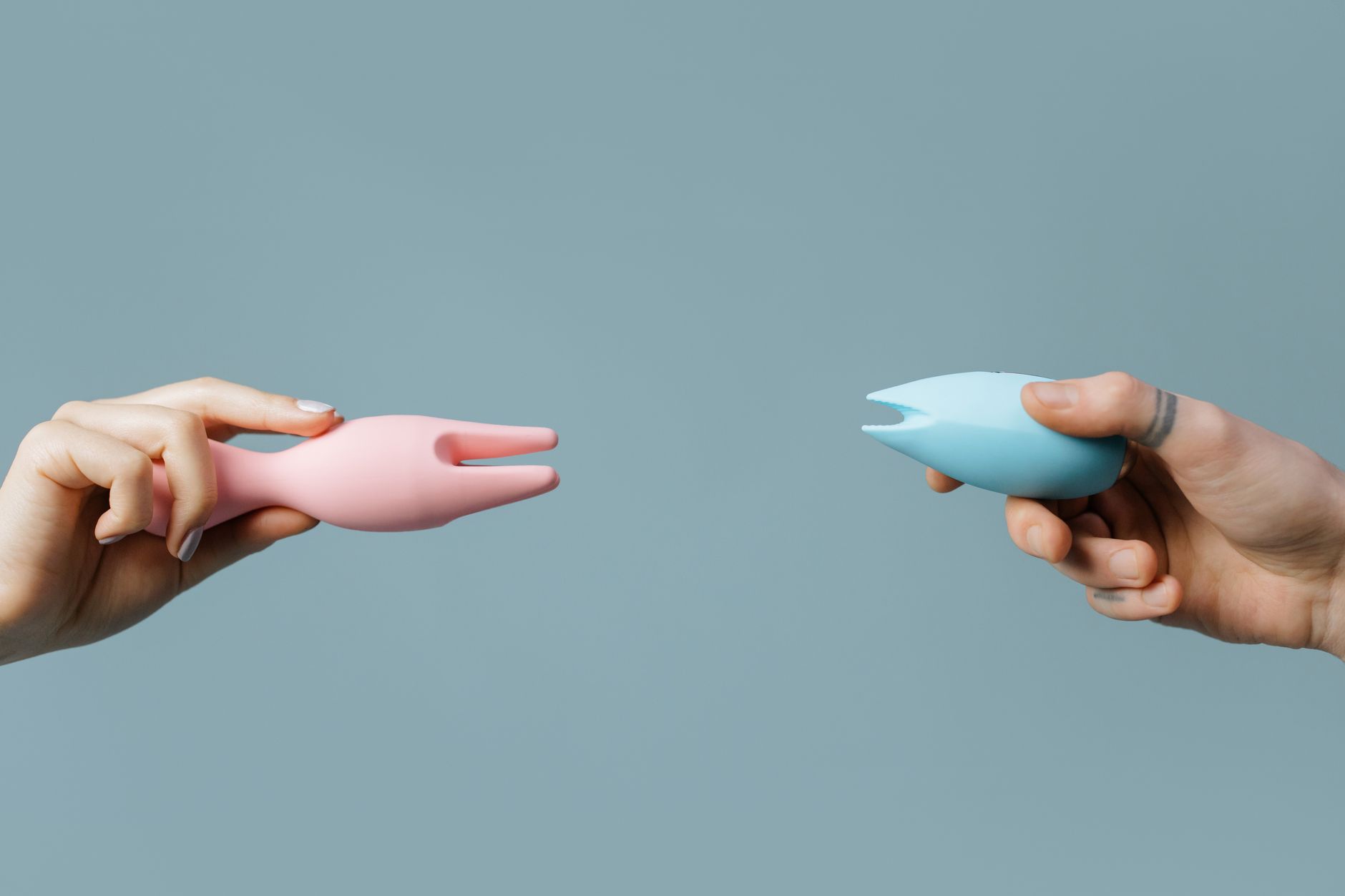
How to Use a Lemon Vibrator When You Want Multiple Orgasms in One Session
The practical guide to chaining pleasure: pacing strategies, sensitivity management, and why a lemon clitoral vibrator's suction tech is built for back-to-back satisfaction.
They're not a myth, and they're not as rare as you've probably been told. But they do require a different approach than the single-orgasm goal most people default to. If you've ever wondered why multiples feel harder to achieve than that one satisfying peak, the answer isn't your body. It's strategy.
The good news: a lemon clitoral vibrator is genuinely one of the best tools for building toward them. The suction technology doesn't punch into overstimulation the way some vibrators do. Instead, it creates sustained, adaptable pressure that lets you stay engaged longer without numbing out. Which means you can actually chain orgasms instead of just chasing one big one and calling it a night.
Most people think of orgasms as an on-off switch. You build to a peak, climax, and then you're done for a while. But physiologically, that's only one pattern. Some people experience a plateau phase after the first orgasm where sensation doesn't drop all the way back to baseline. The clitoris stays partially engorged, sensitivity lingers, and if you keep gentle stimulation going, you can build toward a second peak without starting from zero.
The thing is, this only happens if you don't lose the thread. Hard vibration, intense friction, or stopping completely can jolt you out of that plateau state. A lemon vibrator's suction mechanism is better at holding that sweet spot because the pressure stays consistent without aggressive pulsing.
Not everyone's body does this. That's completely normal. But if you haven't tried building toward multiples with the right tool and pacing, you don't actually know if you can.
If you're planning to spend 30 to 45 minutes working toward multiple orgasms, comfort matters way more than it does for a quick solo session. Small friction points become annoying. Temperature shifts break focus. Interruptions feel catastrophic.
Start here: somewhere you won't be disturbed for at least an hour. Phone on silent, door locked, partner (if you have one) aware you need solo time. That sounds basic, but anxiety about interruption is the number one thing that kills sustained pleasure.
Set up physically. A pillow under your hips changes the angle. Gravity works differently depending on position, and a small shift can make the difference between "that feels okay" and "that feels incredible." Have water nearby. Hydration genuinely helps with circulation and sensitivity. Keep a small towel close because sweat happens, and wet skin against fabric can get uncomfortable after 20 minutes.
Warm your body first. A shower, a few minutes of movement, or even just lying under a blanket for five minutes gets blood flowing to the pelvic area. Arousal happens faster and more intensely when tissue is already responsive.
Let's say you've settled in and you're ready to start. Here's the rhythm I recommend:
Begin with low intensity on your lemon vibrator. Pattern 1 or 2, not maxed out. Spend 8 to 12 minutes building toward your first orgasm. This isn't rushing. You're getting the nervous system primed, blood flowing, everything engaged. The longer and slower this first phase is, the easier the rest becomes.
When you climax, don't stop immediately. Keep the lemon clitoral vibrator at the same low level for 30 seconds after. Not pushing through pain or overstimulation, just gentle sustained contact. This is where the plateau can lock in.
Then dial back even further. Move to the lowest pattern or near-off state for about a minute. Let sensation settle but don't lose contact. Your clitoris will stay partially engorged if you don't give it time to fully deflate.
After that minute, gradually increase intensity again. This time, the climb to a second orgasm is usually faster. Five to eight minutes instead of ten. Some people find the second one arrives more intensely because the nervous system is already warm.
Repeat this cycle. First orgasm might take 10 minutes. Second takes 6. Third might take 8. There's no linear progression. You're reading your body and adjusting.
Most people hit a wall around orgasm three or four. That's your signal to stop. Your body has given you what it can give in that session. Rest, hydrate, and feel good about what happened.
One myth I want to smash: more power equals more pleasure. That's backwards, especially for multiples. The lemon vibrator's suction technology actually works better at lower intensities when you're chaining pleasure because it doesn't numb the tissue.
Direct vibration, especially at high power, fatigues nerve endings. After 15 minutes on max, your clitoris literally stops registering stimulus the way it did at minute five. You're still touching the same area, but the sensation drops. This is why people sometimes feel like they're "chasing" an orgasm that keeps moving.
Suction doesn't do that the same way. It's a different type of stimulation. The pressure pulls rather than taps. This means you can sustain pleasure longer without hitting diminishing returns. You can use the same low-to-medium pattern for 45 minutes and feel something different at minute 40 than you did at minute five, because the stimulation is actually changing the tissue state instead of just exhausting the nerve endings.
That's the practical advantage of a lemon clitoral vibrator for this particular goal.
If you feel yourself going numb mid-session, the fix isn't turning it up. It's switching to an even lower pattern, or pausing for a minute, or moving slightly so you're stimulating a slightly different angle. Small changes reset sensitivity better than intensity ever will.
Here's something that catches people off guard: your refractory period might actually be different during multiples than it is after a single orgasm. Some people have zero refractory time between the first and second. Others need a few minutes. The window can shift throughout the session.
This isn't a sign something's wrong. It's just variation, and it matters for your strategy.
Pay attention to your own pattern the first time you try this. After orgasm one, can you go straight into building toward two? Or do you need a pause? There's no wrong answer. You're just gathering data about your body.
One trick that helps: don't completely remove the lemon vibrator between peaks. Maintaining contact, even at the lowest setting, often keeps the arousal chain from fully breaking. It's like holding a thread instead of letting go completely.
If you do need a real break, even two to three minutes of hand contact, breathing, and gentle movement can help. You're not resetting to zero, just letting your nervous system recalibrate.
Most lemon vibrators have 10 to 12 different patterns. You don't need to use them all in one session. Actually, the opposite is true. Find one or two that really work for your body and stick with them.
Typically, a steady pulse works better for multiples than oscillating or pulsing patterns that stop and start. Your nervous system can settle into a consistent rhythm more easily. But this is individual. Some people love a pulsing pattern that starts slow and ramps up.
The advantage of having options is that if sensitivity starts dropping, you can switch patterns without changing intensity. Switching from steady to pulse, or adjusting the rhythm slightly, can reset sensation and let you push toward another orgasm. It's a sensitivity hack that's way more effective than just turning the vibrator louder.
Here's the difference: alone, you control everything. Pacing, intensity, when to pause. With a partner, you're negotiating rhythm and reading another person.
If you want to try multiples with a partner, tell them the pacing strategy first. "I'm not going to come once and we're done. I'm going to keep going. You help me maintain rhythm and let me signal when I need to adjust." Most partners actually love this because it gives them clear direction instead of wondering if they're doing it right.
One tip: let your partner handle the lemon vibrator while you focus on breathing and sensation. That small handoff actually makes it easier to stay in the plateau state because you're not managing the tool and the pleasure at the same time. But make sure you've practiced the intensity levels solo first so you can guide them clearly.
The number one thing that stops multiples mid-session: getting in your head about whether it's happening. Staying present matters. If you catch yourself thinking "Am I going to have another one? Is this taking too long?" you've basically volunteered to leave the pleasure state.
Fix: decide beforehand that this is a 45-minute exploration, not a checklist. Your job isn't to hit three orgasms. Your job is to see what happens when you pace a lemon clitoral vibrator differently.
The second thing: dehydration and blood sugar. If you're 30 minutes in and suddenly foggy or tired, grab water and eat something small. Low blood sugar genuinely tanks libido and sensation. It's not weakness or your body failing. It's mechanics.
The third: distracting discomfort. A cramp, itchy fabric, too-cold room. These seem small but they snap the arousal chain instantly. Address them before you start, or be ready to pause and fix them without guilt.
There's no magic number. Some people need 30 seconds of gentle contact. Others need two full minutes to climb again. The key is staying responsive without numbness. If you're feeling numb, you waited too long. If you feel oversensitive, you paused too briefly. You're looking for the zone between those two edges.
Suction technology is genuinely better for sustained multiples than traditional vibration because it doesn't fatigue nerve endings as quickly. But some people do achieve multiples with other tools. The lemon vibrator's advantage is that you can go longer without hitting that diminishing sensitivity curve. It's easier, not impossible without it.
Completely normal. Later orgasms in a chain sometimes feel more internal, shorter, or more intense. Some people describe them as shallower. Others say they're more satisfying because they're harder to predict. Different doesn't mean wrong.
No. Maybe 40 percent of people can consistently build toward multiples. The other 60 percent have bodies that refractory reset completely after one. That's not a limitation. That's just your neurology. Single, deeply satisfying orgasms are just as valid as chained ones.
Overstimulation feels like rawness, burning, or that "too much" sensation where you need to pull away. It's different from sensitivity. It hurts. If you're experiencing that, you've passed your body's ceiling for that session. Next time, dial back intensity earlier and take longer breaks between peaks.
Yes. Hormones, stress level, how rested you are, timing in your cycle, whether you're hydrated. All of it changes day to day. Some sessions you'll hit three orgasms easily. Other times you'll be satisfied with one and that's genuinely enough. Your body isn't broken on the hard days. It's just different.
Multiple orgasms aren't the finish line of pleasure. They're one option on a longer menu. Some of the most satisfying sexual experiences I've seen people have are single, slow, deeply intense orgasms. Others come from the sensation of pushing toward something that might not arrive. The goal isn't to collect orgasms. It's to know what your body can do when you give it time, the right tool, and permission to explore.
A lemon clitoral vibrator just makes that exploration easier because the suction mechanism is gentler and more sustainable. You're not fighting against your tool. You're working with it.
If you're curious about trying this, clear an evening, set up thoughtfully, and approach it as an experiment instead of a performance. Your body will tell you what's possible when you actually listen.