Let's be real about SSRIs and sex
Your antidepressant is working. You feel steadier, less trapped in your own head, able to get out of bed. And then you notice something else: arousal has become a ghost. Orgasms take forever. Or they don't come at all. You're not losing your mind. This is one of the most common side effects of SSRIs, and almost nobody warns you about it upfront.
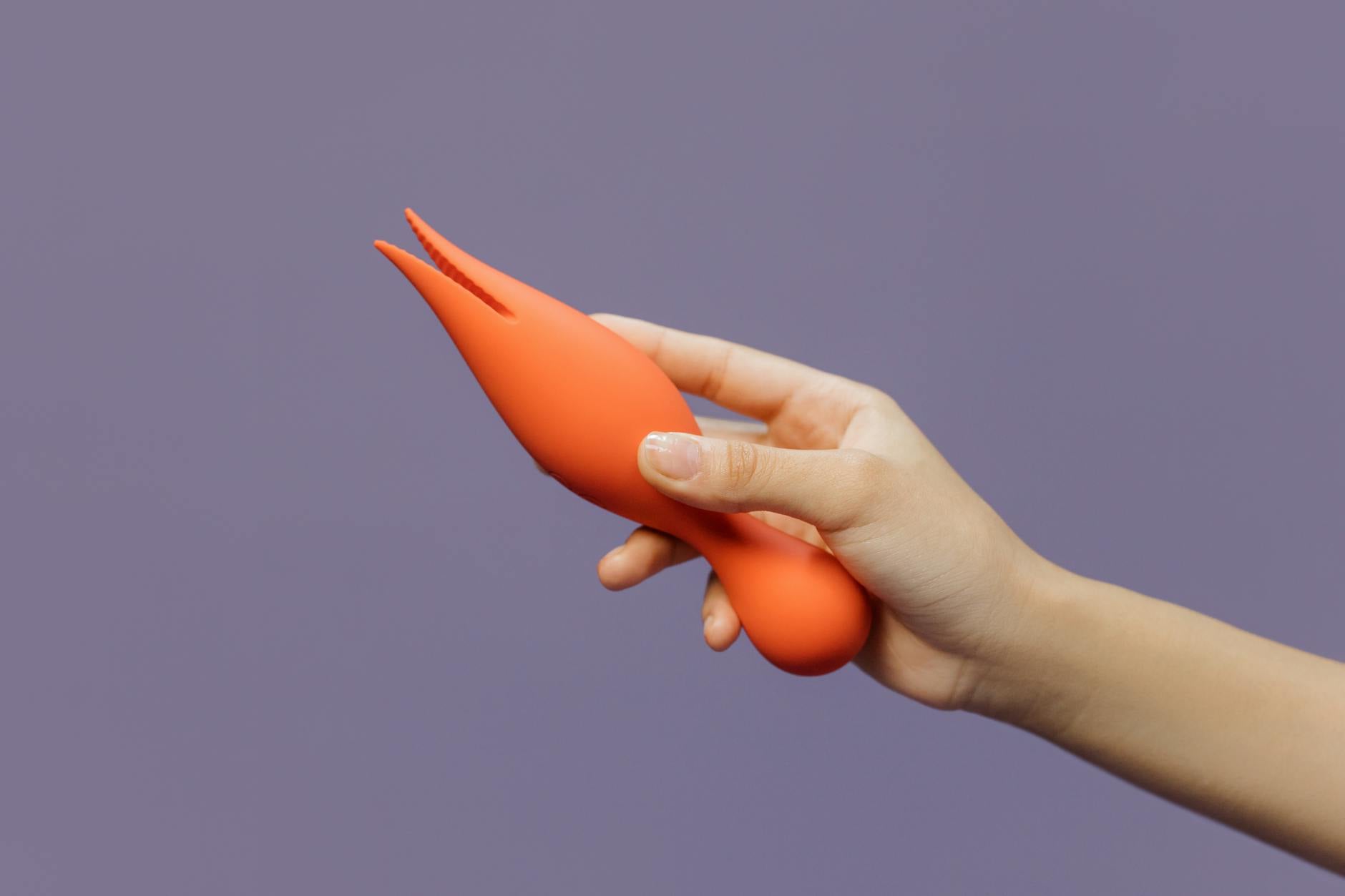
The good news? It's fixable. And a lemon clitoral vibrator like the Lem can be a game-changer when standard approaches aren't enough.
What SSRIs actually do to your sexual response
SSRIs work by increasing serotonin in your brain. That's the antidepressant effect you need. But serotonin also regulates the brain circuits involved in arousal, orgasm, and sexual motivation. When you increase serotonin overall, you're also increasing it in the regions that control sexual response. Paradoxically, the thing fixing your mood is making sex harder.
The mechanism is neurochemical, not psychological. Your desire might still be there on paper. Your body might just refuse to cooperate. The arousal pathway gets slower. The orgasmic threshold gets higher. Some people experience delayed orgasm. Others hit a complete wall where orgasm becomes impossible, no matter how long or intense the stimulation.
This typically happens within the first two weeks of starting an SSRI or increasing the dose. For some people it fades. For others it persists for months or years, even as the depression lifts.
Which SSRIs cause the most sexual side effects
Sertraline, paroxetine, and fluoxetine are the most likely culprits. Bupropion and mirtazapine tend to have fewer sexual side effects, sometimes even enhancing arousal. But switching medications isn't always the answer. Your psychiatrist might have prescribed that particular SSRI for a reason. Sometimes the depression returns when you switch, and that's worse.
So instead of jumping ship, most people benefit from working with what they have and adjusting their approach to pleasure.
The lemon vibrator advantage for SSRI-affected arousal
This is where things shift. A clitoral vibrator like the Lem works differently than hands or partners ever can. Air-suction technology stimulates the clitoris indirectly, through suction and gentle pulsing patterns rather than direct friction. This matters enormously when arousal is already delayed.
Here's why it helps. Your SSRI has raised the bar for what counts as "aroused enough." A lemon sucker bypasses the need to reach that bar through traditional stimulation. Instead of waiting for arousal to build to a certain threshold, the vibrator creates a different kind of sensation pathway. Many people find that the suction sensation is so novel and intense that it activates pleasure circuits that SSRIs left dormant.
Clitoral vibrators in general work well with SSRI-flattened response. But the Lem specifically, with its broad opening and gentle suction pattern, rarely triggers the kind of friction soreness that happens with direct vibrators when you're taking longer to build arousal.
The practical setup for SSRI pleasure
Here's what I recommend to clients dealing with SSRI sexual side effects. Start by separating expectations from reality. You're not trying to "get yourself there" in 15 minutes like you used to. Budget 30 to 45 minutes minimum.
Second, water-based lubricant is non-negotiable. SSRIs can reduce natural lubrication (alongside everything else), so even if you don't think you need it, use it anyway. It reduces friction and makes the Lem's suction feel more comfortable.
Third, begin with the lowest intensity setting. The Lem has nine patterns and varying strength. Start at pattern 1 or 2. Your nervous system is already fighting the SSRI's effects. Low intensity lets you ease into arousal without overwhelming yourself. Once you find a pattern that feels good, stay there. Switch intensity up only if you want to, not because you feel like you should.
Fourth, warm up your body first. A hot shower, some stretching, moving around. SSRIs often come with fatigue and physical numbness. Getting blood flowing before you start makes arousal build faster.
Mental blocks when pleasure is hard
This is the part nobody talks about. When orgasms were easy, you didn't have to think about sex happening. Now, every time arousal stalls, your brain starts playing a script: "This isn't working. I'm broken. Why is this taking so long?" That internal commentary is a dopamine killer. It literally makes arousal harder.
Instead of fighting that voice, name it. Tell yourself: "My SSRI has changed how my body responds. This is chemistry, not broken. The Lem is a tool designed for exactly this scenario." Then let yourself focus on sensation, not outcome. You're not trying to come. You're noticing what the vibration feels like. That shift from goal to process changes everything.
If you're with a partner, tell them this too. "I'm using this because my medication changed my sexual response, not because anything is wrong with us." That conversation prevents resentment from building on both sides.
Timing and the SSRI window
SSRIs peak in your bloodstream at different times depending on which one you're taking. Some people notice that sexual side effects are worse at certain times of day. If you take your SSRI in the morning, afternoon or evening might be better for pleasure. If you take it at night, morning arousal might be easier.
Talk to your psychiatrist about whether taking your dose at a different time of day is an option. Sometimes this simple shift helps. If not, at least knowing your personal SSRI window helps you schedule pleasure when your body is most likely to respond.
When to talk to your doctor about this
SSRI sexual side effects are medical, not personal failure. Your psychiatrist needs to know, because there are actual treatment options. Adding bupropion to your SSRI can sometimes counteract sexual side effects. Switching to a lower dose, or to a different SSRI or class of antidepressant entirely, might be worth exploring. Timing changes, medication adjustments, or adding something like sildenafil (Viagra) can all help.
None of these conversations should feel shameful. Sexual function is part of overall health. A good psychiatrist will take it seriously.
The bigger picture
Using a lemon vibrator or any other tool when you're on antidepressants isn't a workaround for a broken system. It's a practical solution that acknowledges the real chemical constraints of your brain right now. You're not broken. Your medication is working exactly as designed. Your body's sexual response has simply changed, and you're adapting.
Many people find that once they accept this adaptation, the pressure lifts. There's something freeing about letting go of how sex "used to work" and getting curious about what works now. A lemon clitoral vibrator, combined with time, patience, and the right conversation with your doctor, can help you reclaim pleasure on this new timeline.
People also ask
Can you orgasm on SSRIs at all?
Yes. Many people taking SSRIs have perfectly functional orgasms. But some people experience delayed orgasm, reduced intensity, or complete anorgasmia (inability to orgasm). The variation is enormous. And yes, your partner's touch might not cut it anymore. A lemon vibrator, with its novel stimulation pattern, often succeeds where other methods fail.
How long does it take to reach orgasm on antidepressants?
It varies wildly. Some people find it takes 20 to 30 minutes instead of 5. Others take 45 minutes or longer. A few people plateau and never reach orgasm, even with extended stimulation. This is individual and depends on which SSRI you're taking, your dose, and how your nervous system responds to it. Using a lemon sexual toy like the Lem doesn't necessarily speed things up, but it often makes the experience feel more intense along the way, which is its own kind of win.
Does switching SSRIs help with sexual side effects?
Sometimes. Sertraline and paroxetine tend to have the worst sexual effects. Escitalopram and citalopram are slightly gentler. Bupropion rarely causes sexual side effects. But switching medications carries the risk of depression returning. Talk to your psychiatrist about whether a switch is worth trying. Often, adding a medication to manage the sexual side effect, or adjusting your current dose, is smarter than starting over.
Can you use a lemon vibrator while taking antidepressants?
Absolutely. There are no direct interactions between SSRIs and silicone vibrators or clitoral suction devices like the Lem. The vibrator is a tool that helps bypass the arousal delay your SSRI creates. Many people find that the Lem's gentle suction is especially helpful because it doesn't require the kind of intense friction that can feel uncomfortable when arousal is slow to build.
Will the SSRI sexual side effects go away?
Sometimes they fade on their own after a few weeks or months. Sometimes they persist as long as you're taking the medication. Some people find that taking a medication holiday (only on your doctor's approval) restores sexual response temporarily. Others adjust to a lower dose that still treats depression but causes fewer sexual effects. Talk to your psychiatrist about your specific situation. This is a real problem that deserves a real solution, not acceptance.
What's the best vibrator to use with antidepressants?
A lemon clitoral vibrator, or any suction-based device, tends to work better than traditional vibrators for SSRI-affected arousal. The indirect stimulation helps you reach pleasure without needing the super-high arousal that direct vibrators require. The Lem specifically has nine patterns and varying intensity, so you can start low and adjust to what your nervous system needs on any given day. Pair it with water-based lubricant, time, and patience, and most people find success.