Let's name the elephant in the room
You haven't had sex in a year. Maybe two. Maybe longer. Whether it was stress, illness, kids, career chaos, grief, or just the slow erosion that happens in long-term relationships, the gap exists. Now you want to reconnect with your partner. But the pressure feels enormous. What if your body doesn't respond? What if it's awkward? What if you've forgotten how?
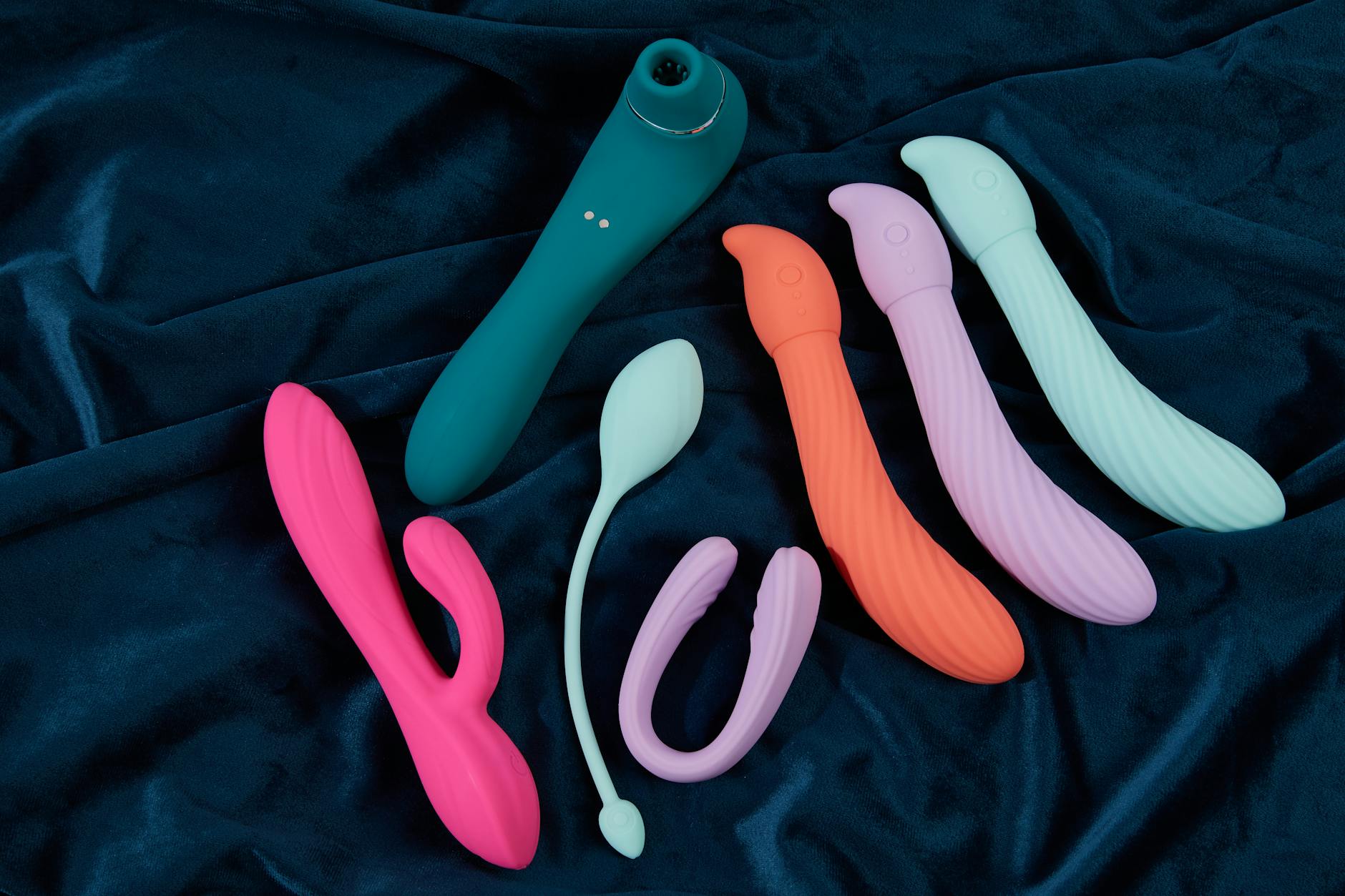
Here's the thing: a lemon clitoral vibrator is one of the best tools I've seen couples use to break that spell. Not because it's magic, but because it shifts the entire dynamic from "we're supposed to have sex" to "let's explore something together." The pressure lifts. Pleasure becomes the point instead of performance.
Why the pressure kills arousal in the first place
When you've been away from intimacy, your nervous system knows. There's anticipatory anxiety, self-consciousness, and often a running commentary in your head about whether your body will cooperate. That's your sympathetic nervous system on alert. Arousal lives in the parasympathetic system, the one that activates when you feel safe and curious.
A lemon vibrator or any clitoral vibrator removes one critical barrier: the need for your body to do the work alone. You don't have to will an orgasm into existence. You don't have to prove you're still attracted to your partner. You're both just... trying something. Together. That psychological permission shift is often enough to let your nervous system settle.
The setup that actually works
Don't ambush this moment. If you've been away from sex, spontaneity isn't your friend right now. Here's what I recommend:
First, have the conversation separately. Tell your partner you'd like to try something together to rebuild connection. Keep it simple. "I miss being close to you. I found something I think we could explore without pressure." That's it. No salesmanship, no performance language.
Set a time. This sounds unromantic, but it works. You both know something is happening. You can mentally prepare. You can shower, feel good in your body, not wonder if sex might happen when you're exhausted or distracted.
Start fully clothed. Sit together, show them the lemon vibrator or whichever clitoral vibrator you choose. Let them hold it. No performance yet. Just curiosity. This removes the fear that suddenly they'll expect you to be ready.
Talk about what you're hoping for. Not what you're scared of. What you actually want. "I want to feel close to you." "I want to remember what this feels like." That's the framework.
How to physically start (no judgment, no rush)
When you move toward intimacy, keep these principles:
Go slow enough to interrupt the anxiety spiral. If you're mentally narrating "is this working, am I doing this right," you're still in your head. A lemon vibrator helps because the sensations are novel enough that your brain focuses on them instead of self-judgment. But you have to give it space to work.
Start with kissing, touching, closeness. Not every touch needs to lead somewhere. Fifteen minutes of building connection before you even introduce the toy is not wasted time. It's foundation.
Introduce the lemon vibrator when arousal is already beginning. Not as a jump-start. As a deepener. Once you're already feeling something, the vibrator amplifies it. Hands and bodies still touching. The vibrator is another sensation in the mix, not a replacement for connection.
Let your partner operate it, at least sometimes. This shifts the dynamic from "my body needs to perform" to "we're doing this together." Their hands on the vibrator, their eyes on your face. That's intimacy. That's the work of reconnection.
Managing the anxiety that comes up
You might cry. You might laugh awkwardly. Your body might not respond the way you expect. Your mind might wander. You might feel disconnected from the experience even as it's happening. All of this is normal when you're restarting intimacy after a long gap.
The difference a lemon clitoral vibrator makes is that none of this derails the moment. You're not waiting for arousal to build through friction and hope. You have consistent, pleasurable sensation happening. Your partner isn't watching anxiously to see if you're into it. You're both focused on the experience itself.
If you feel stuck or panicked, pause. Really pause. Kiss. Hold each other. Then say what you're feeling. "I'm nervous." "I'm in my head." Naming it deflates it. Then you can start again, or you can just stay close. There's no wrong move here. You're rebuilding, not proving anything.
What happens if orgasm doesn't happen
Listen. Your first time restarting intimacy after months or years shouldn't have orgasm as the goal. I say this as someone who specializes in helping couples reconnect: the goal is reconnection. Pleasure. Remembering you like your partner. An orgasm is a bonus, not the measure of success.
That said, a lemon vibrator makes orgasms more likely because the sensation is often more focused and intense than fingers or general foreplay alone. But if it doesn't happen, you've still succeeded. You're touching. You're vulnerable together. You're trying. That's the win.
If you want to build toward more consistent pleasure, keep going gradually. Once a week of physical closeness, even if it's just this kind of exploration. Your body's arousal capacity rebuilds with practice. Pressure kills it. Consistency, curiosity, and low stakes build it.
Why your partner might be nervous too
Remember: if your partner is initiating or going along with this, they're also anxious. They might be worried about disappointing you. They might feel rejected by the gap. They might be unsure if you're still attracted to them. They might be scared their body won't cooperate either.
When you bring a lemon clitoral vibrator into this, you're signaling something important: "This isn't about you alone satisfying me. We're doing this together. We're exploring." That permission releases both of you.
Talk about it explicitly if you can. "I want to feel close to you. I'm nervous too. Let's just see what feels good." Most couples I work with find that naming the mutual anxiety actually brings them closer faster than pretending everything is fine.
The practical details matter
Have lube nearby. Water-based. A clitoral vibrator works beautifully with lubrication and you'll be more comfortable. Have a towel nearby if you want one. These aren't mood killers. They're logistics that let you focus on connection instead of logistics.
Start at a lower intensity setting on the lemon vibrator. Pattern 1 or 2. You can build up. There's no prize for jumping to the strongest setting. Slow builds more arousal and lets your nervous system relax into it.
If sensitivity is an issue because you've been away from stimulation, or because of medications or hormonal changes, there's a post on using a lemon vibrator with thin tissue sensitivity that walks through adjustments. But most of the time, gentleness and time are the answer.
After it happens
Stay close. Don't jump up. Don't analyze whether it was good or bad. Just be there together. Talk about it the next day if you want. Right now, just let the nervous system settle into safety.
Then plan the next time. Not in a rigid way. Just agree you'll do this again. Knowing it's happening again removes some of the finality and pressure of any single experience. You're not trying to make up for lost time in one encounter. You're beginning again.
A lemon vibrator isn't a fix. Your relationship rebuilds on conversation, vulnerability, and consistent small steps toward each other. But as a tool for removing pressure and making pleasure accessible again? It genuinely changes the game. Couples I work with who introduce toys after a long break often find it's the permission slip they needed to reconnect.
FAQ: Using a Lemon Vibrator to Restart Intimacy
What if my partner feels like the vibrator means I'm not attracted to them anymore?
This is the fear, and it's worth addressing directly. Say it out loud: "I want this because I want to feel close to you and I want us both to feel good. This isn't about you not being enough. It's about removing pressure so we can both relax." If they're still uncomfortable, honor that and explore together what would feel safer. Maybe they use the lemon vibrator on you. Maybe you start with something less direct. The conversation is more important than the toy.
How long should we wait between attempts if the first time doesn't feel great?
Not long. A few days, maximum. What happened once was just one data point. Your body and mind need repetition to feel safe and aroused again. Weekly physical intimacy, even if it's just exploring with the lemon vibrator, rebuilds arousal capacity. If you wait months again, you're back at square one.
Is it normal to feel disconnected even during intimate moments after a long break?
Completely. Your nervous system has learned to stay protected. That protective wall doesn't come down in one session. Keep going. Stay curious. Be honest. Over three to six weeks of consistent connection, most people feel their nervous system relax and pleasure return. The lemon vibrator helps that process because it gives your mind something pleasurable to focus on while your nervous system slowly settles.
Can we use the lemon vibrator during partnered sex or is it just for solo exploration together?
Both. Early on, it might just be about exploration. As you rebuild confidence, you can absolutely incorporate a lemon clitoral vibrator into partnered sex. Your partner inside you or touching you while the vibrator stimulates your clitoris is intensely pleasurable for many people. But don't jump there immediately. Let the toy feel normal first.
What if I have pain or numbness in my vulva after being away from sex?
That's common and treatable. See a gynecologist to rule out anything specific. In the meantime, a lemon vibrator at low intensity can actually help because gentle consistent stimulation can help restore sensation over time. But don't push through pain. Sensation builds gradually with gentle, consistent touch.
How do we know when we're ready to move beyond just using the lemon vibrator?
When it stops feeling like the main event and starts feeling like foreplay. When you can laugh together if something awkward happens. When you're thinking about sensation instead of whether you're doing it right. That's when you naturally move toward more partnered intimacy. Let it happen organically. There's no timeline.
You're not starting over. You're beginning again.
The gap between then and now feels massive from where you're sitting. But reconnection with a partner isn't about erasing the time that passed. It's about choosing each other again, slowly, with curiosity instead of performance.
A lemon vibrator or any clitoral vibrator removes one major obstacle: the belief that your body has to somehow prove it's still capable. Your pleasure matters. Your comfort matters. Your partner's willingness to explore with you matters. Start there. The rest follows.
If you're ready to explore together but want more guidance on communication or pacing, reach out. That's what I'm here for.
— Evelyn