Let's talk about what depression actually does to desire
Depression doesn't just make you sad. It deadens the part of your brain that wants things, that feels pleasure, that reaches for connection. Anhedonia, the clinical term for pleasure loss during depression, is one of the cruelest symptoms because it feels permanent. When you're in it, you can't imagine your body ever wanting anything again. And that's terrifying.
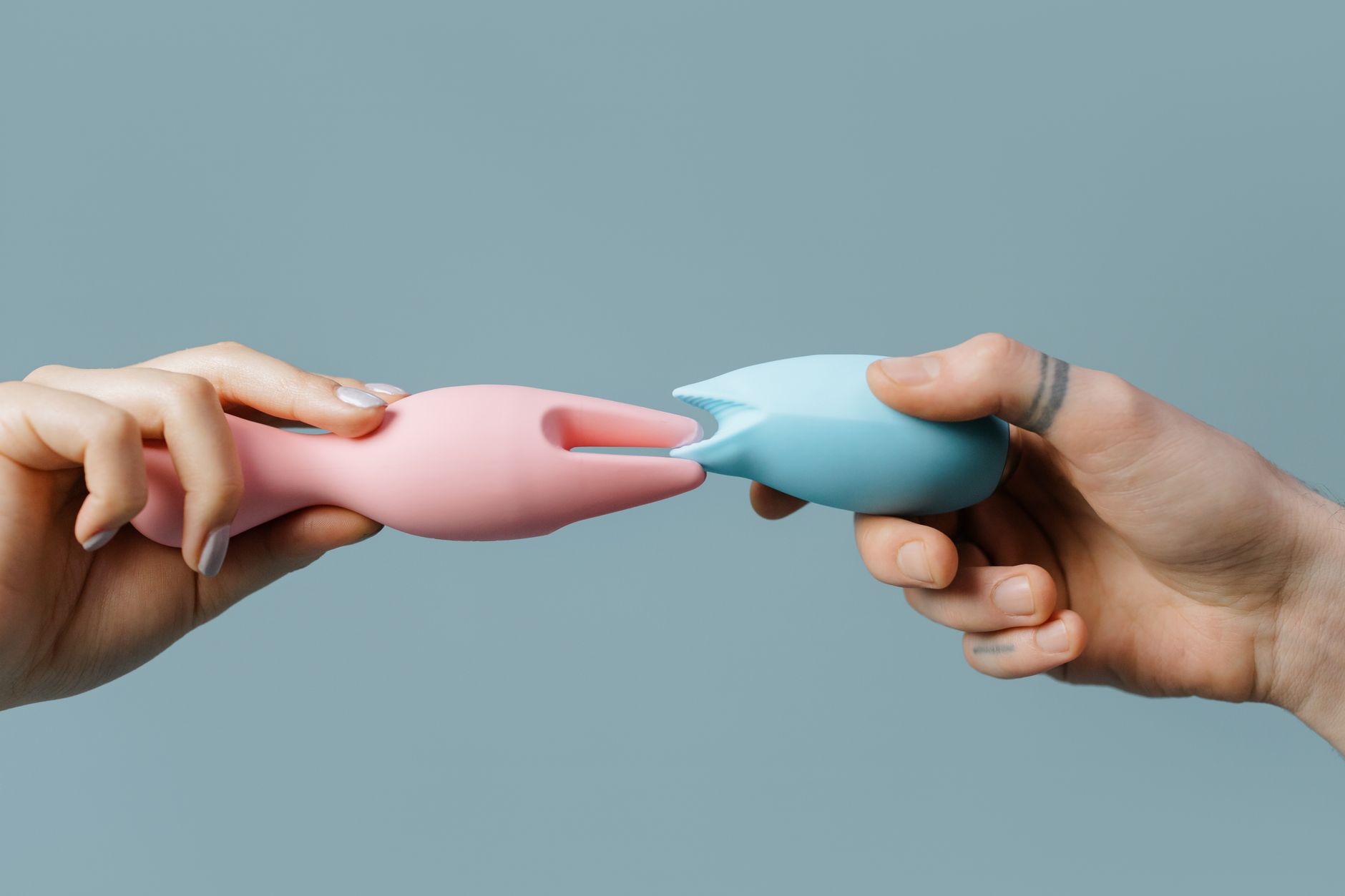
Here's what matters: desire loss during depression is not your fault, and it's not a personal failure. It's your nervous system in a protective crouch. Once you start moving out of depression, though, reconnecting with pleasure can feel awkward, unfamiliar, sometimes even uncomfortable. That's where a lemon vibrator comes in. Not as a miracle cure, but as a tool for gently reintroducing your body to sensation in a way that feels safe and low-pressure.
Why pleasure takes a while to return
Depression creates a double whammy. First, the condition itself shrinks your capacity for pleasure through neurochemical changes. Serotonin, dopamine, and norepinephrine all play roles in sexual response and desire, and depression flattens them. Second, after months or years of not wanting sex, your nervous system gets used to the absence. It becomes the new normal. Even when your mood improves, retraining your body to feel arousal takes time and patience.
Many people assume they should want sex again the moment they feel slightly better. That expectation creates shame. You're not broken if you don't immediately crave your partner or yourself. You're healing. And healing is slower than a flip of a switch.
The advantage of starting with solo exploration
When you're rebuilding desire after depression, partnered sex can feel like high-stakes pressure. Someone else's expectations, timing, and pleasure are suddenly in the room with you. That's a lot when you're just learning to trust your own body again.
Solo exploration with a lemon clitoral vibrator removes that pressure entirely. You're not performing. You're not tracking anyone else's arousal. There's no deadline. This is permission to touch yourself without any goal except to notice what happens when you do. That permission, in itself, is radical after depression has stolen it away.
The lemon vibrator is ideal for this because the suction mechanism works with your body rather than against it. You don't need to be highly aroused for it to feel good. You can start at the lowest settings and simply let the sensation sit there, noticing what your body does. Many people find that pleasure returns incrementally through gentle, consistent exposure. Not forced. Not goal-oriented. Just there.
How to start: the mechanics of reconnection
There are a few practical things that make this easier.
First, timing matters. Pick a moment when you're not exhausted or flooded with work stress. Depression recovery is already depleting. Add overstimulation to that and your nervous system will shut down faster. A quiet afternoon, early evening, or even morning works better than 11 p.m. when you're already running on fumes.
Second, go slow with stimulation intensity. The lemon vibrator has multiple settings. Start at pattern 1 or 2. Your goal here is not to orgasm. Your goal is to feel sensation and notice whether it's pleasant. Orgasm is the bonus, not the target. This distinction matters because goal-oriented sex is exactly what depression taught your body to avoid.
Third, breathe. Seriously. Depression often pairs with shallow breathing and tension in the pelvic floor. When you start touching yourself again, you might notice you're holding your breath or clenching. That's normal. Pause, take three full breaths, and come back. Your body is learning to trust sensation again.
Fourth, set a time boundary. Maybe give yourself fifteen or twenty minutes. Then stop, whether something happened or not. This teaches your nervous system that this is safe, repeatable, and not a desperate attempt to force pleasure. Repeat this several times before expecting anything dramatic.
What to expect when sensation starts returning
Desire doesn't come back all at once. It comes back in small moments. A tingle. A flutter of interest. A thought that maybe you want to try again. These micro-moments are not nothing. They're the beginning of your brain rewiring itself to want again.
You might also notice contradictions. Your body might respond to the lemon vibrator while your mind feels flat. That's not weird. Your nervous system and your emotions are often on different timelines. Trust the body response. Your mind will catch up.
Some people find that their first orgasm after depression is underwhelming. That's also normal. After months or years of numbness, nerves need time to sensitize. The sensation gradually becomes more intense and pleasurable. But it's not always a dramatic return. Sometimes it's quiet and gradual, and that's fine.
When to involve your partner
If you have a partner, talking about this is essential before you're physically ready. What you're saying is: "My desire is rebuilding, and I need you to move slowly with me. I need low-pressure touch. I need permission to stop. I need you to know this isn't about you." Good partners understand. Great partners help create the conditions where healing is possible.
Some couples find it helpful to continue solo exploration for a few weeks before partnered sex returns. Others want to explore together right away. There's no right timeline. What matters is that both people understand what's happening and why. How to Use a Lemon Vibrator With Your Partner After a Long Break From Sex walks through that transition in more detail if you're ready for that conversation.
The role of the lemon clitoral vibrator specifically
Why a lemon vibrator instead of any other toy? Because the suction mechanism is forgiving. It doesn't require deep arousal or genital swelling to feel good. The suction pulls tissue gently, stimulating the clitoral complex in a way that feels novel and different from the touch you might be expecting after a long absence. The sensation is rhythmic and consistent, which is soothing to a nervous system that's been activated by depression and recovery.
Also, frankly, there's something psychologically helpful about the fact that a lemon clitoral vibrator is small, manageable, and doesn't scream "medical device." It's a simple tool that feels less clinical and more like play. Play is what you're relearning.
Managing the emotional weight
Coming back to pleasure after depression often stirs up complicated feelings. Grief. Anger. Sometimes shame. You might touch yourself and suddenly feel overwhelmed. That's not failure. That's integration. Your nervous system is processing the time you lost and the reconnection you're attempting.
If you're working with a therapist, mention that you're starting to explore pleasure again. A good therapist won't flinch. They'll help you hold both the joy of reconnection and the sadness of what depression took. You don't have to process all of that alone.
Patience is the hardest part
Depression took something from you. Rebuilding it requires time, gentleness, and a refusal to shame yourself when progress isn't linear. Some weeks you'll feel more interested in pleasure. Other weeks you'll feel flat again. That's recovery. It's not a straight line.
The lemon vibrator is there whenever you're ready. No pressure. No judgment. Just a tool that works with your nervous system instead of against it. Use it when you feel curiosity. Skip it when you don't. That freedom to choose is where your desire grows back. Your pleasure matters, and you deserve that space to reclaim it.
People also ask
Can I use a lemon vibrator if I'm still taking antidepressants?
Absolutely. Many people use lemon sexual toys while on antidepressants. Some antidepressants do affect arousal and orgasm, but that's separate from whether it's safe to use a vibrator. A lemon clitoral vibrator works with your body regardless of medication. If you find that antidepressants are making orgasm difficult, talk to your prescriber about switching or adjusting dosage. Don't assume you have to choose between mental health treatment and pleasure.
How long does it usually take to feel desire again after depression?
There's no standard timeline. Some people notice shifts within weeks of mood improvement. Others take months or longer. The important thing is that you're noticing small changes and not pressuring yourself to return to pre-depression desire overnight. Track micro-moments of interest rather than waiting for full arousal to return. That patience actually speeds up the process because it removes performance pressure.
What if I use the lemon vibrator and feel nothing?
Nothing-ness is also data. Your nervous system might need more time. Try once more a few days later. If you continue to feel completely numb, that's worth mentioning to your therapist or doctor. Sometimes depression lingers longer in the pleasure centers of the brain. That doesn't mean something's wrong with you. It means your system needs more recovery time, and that's okay.
Is it normal to feel guilty about using a vibrator while depressed or recovering?
Very normal, and also worth examining. That guilt often comes from messages you internalized about pleasure being frivolous or something you don't deserve. Depression usually amplifies those messages. Reconnecting with solo pleasure is actually an act of self-care and recovery. You're telling your nervous system: "You deserve to feel good." That's healing.
Can my partner use a lemon vibrator with me if I'm uncomfortable with partnered sex?
Yes, but start slow. Maybe your partner holds the lemon vibrator while you control the intensity. Maybe they're in the room but not touching you at all, just present. There are lots of ways to gradually reintegrate touch with your partner. How to Use a Lemon Vibrator to Rebuild Intimacy After Long-Term Relationship Disconnect has more ideas for that gradual process if you need it.
Should I tell my partner I'm using a lemon vibrator to rebuild desire?
If you're in a committed relationship where you eventually want partnered sex again, yes. This isn't about secrecy. It's about letting your partner understand what's happening and why. You're not replacing them. You're healing yourself so you can show up more fully to them later. That conversation builds trust and removes shame.
If you're single or early dating, that's your call. There's no obligation to disclose your solo practices to anyone. Do what feels right for your privacy and your relationship.