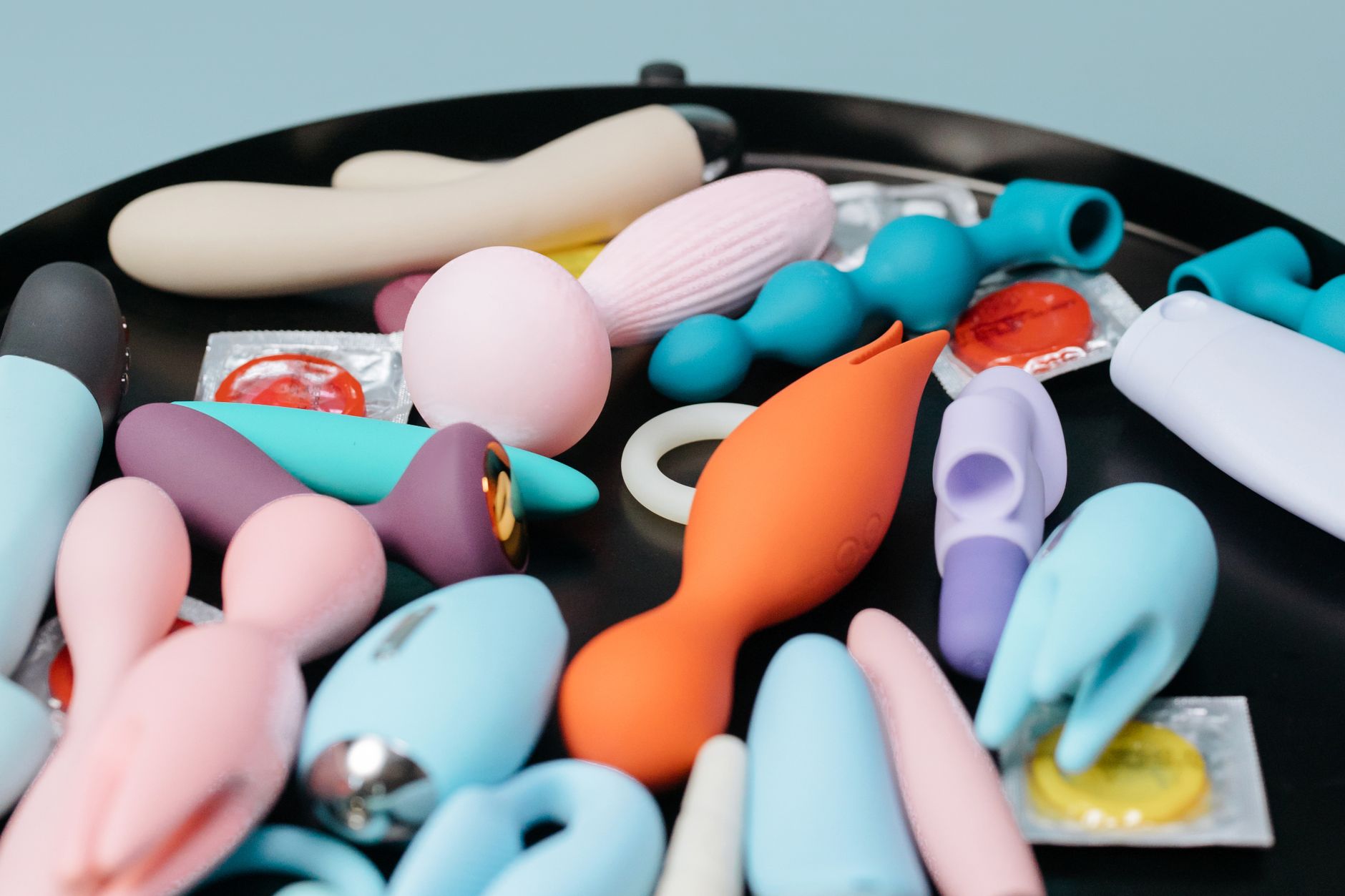
How to Use a Lemon Vibrator for Better Pleasure When Returning to Sex After Breakup
Breakups interrupt your body's memory. Whether the relationship lasted six months or six years, your nervous system learned rhythms with another person. When that person is gone, pleasure doesn't disappear. But it does feel foreign.
Most people try to jump back into sex with new partners and feel confused when their body doesn't cooperate. Desire is missing. Sensation feels muted. Orgasms take longer, or don't arrive at all. The temptation is to blame yourself. The actual problem is simpler: you haven't reintroduced yourself to yourself yet.
That's where solo exploration comes in. And a lemon clitoral vibrator is one of the best tools for this work because it doesn't require arousal to build pleasure. It creates sensation that teaches your body to respond again. Here's how to use that tool wisely.
Why your body feels different after a breakup
Your nervous system has muscle memory. During a long relationship, your body learned what stimulation to expect, when to expect it, and from whom. Touching yourself felt less urgent because partnered sex was the main event. Your clitoris, your pelvic floor, and the neural pathways between them adapted to that pattern.
When the relationship ends, those neural pathways don't vanish. But they go quiet. Solo sensation that felt pleasurable now feels less vivid because your brain isn't expecting it. Your touch triggers fewer nerve signals than a partner's would. Your body is waiting for stimulation from elsewhere.
This is not dysfunction. It's adaptation. And it reverses itself, but only if you rebuild the sensation deliberately. A lemon vibrator cuts through this pattern because its intensity bypasses the "waiting for someone else" loop and teaches your clitoris to fire again independently.
The first few weeks: low pressure, high consistency
Don't try to achieve an orgasm in the first week back. That's the fastest way to frustrate yourself and abandon the whole project.
Instead, use your lemon vibrator for 10 to 15 minutes three times a week, with zero expectation of climax. Set a timer if you have to. The goal is sensation mapping, not pleasure chasing.
Start with the lowest pattern setting (pattern 1 or 2 on the Lem). Apply it to your inner labia first, not directly on the clitoris. Your clitoris is hypersensitive right now after months of limited stimulation, and jumping straight to full-on pressure will feel startling, not good.
Give yourself permission to be bored. You will be, at first. Your brain has learned that pleasure with a partner feels different from pleasure alone. You're retraining that expectation. Boredom is part of the training.
Move the vibrator slowly across different zones: inner labia, the hood, the sides of the clitoris, the area between clitoris and vaginal opening. Notice what makes your breath shift slightly. That small shift is the signal your nervous system is waking up. Track it. You're looking for micro-responses, not fireworks.
The second month: introducing intention
After three to four weeks of low-key exploration, your body will start sending clearer signals. You'll notice that certain settings or rhythms create genuine sensation, not just the physical experience of vibration.
Now you can bring more intention. Choose a specific time when you have 20 to 30 minutes and aren't rushing. Your nervous system can't fully engage if you're watching the clock.
Create a small ritual around it. Light a candle. Put your phone across the room. Play music if that helps, or silence if that's better. The ritual isn't spiritual woo. It's a signal to your brain that this is intentional time, not borrowed time between other things.
This is also when you can start exploring which patterns on the lem vibrator create the strongest response. Many people find that the pulsing patterns (not the steady vibration) create more targeted sensation. Experiment across five to ten minutes per pattern and notice what your body seems to lean into. That preference is real data.
When numbness persists: three adjustments to try
Some people find that even after a month of regular use, sensation still feels muted. This is common and doesn't mean you're broken.
First, check your warm-up time. If you're jumping straight to the vibrator, your clitoris may not have enough blood flow to respond fully. Spend five minutes with hand touch first. Light touch, no goal. Let your body prepare itself.
Second, vary the pressure contact. Instead of holding the vibrator still, try moving it in small circles or figure-eight motions while it's in contact. The vibration plus the movement can create richer sensation than vibration alone.
Third, consider the timing relative to your cycle if you menstruate. Two weeks after menstruation (during ovulation), clitoral sensitivity peaks. If you're exploring during your luteal phase, you'll naturally feel less sensation. This doesn't mean the exploration is failing. It means your biology is showing you something about your pleasure architecture.
What to do when you're ready for a partner again
Using a lemon vibrator solo is not a stepping stone to "real" partnered sex. It's valuable in itself. But many people do eventually want to share pleasure with someone new, and solo exploration actually makes that easier.
Why? Because you now have data about what makes your body respond. You know which patterns activate you, how long warm-up takes, and what pressure intensity feels best. You can teach a partner these things explicitly. That's immensely valuable.
When you do return to partnered sex, you might introduce a clitoral vibrator into shared moments. Some partners feel insecure about this ("isn't my touch enough?"). The reframe is honest: a vibrator isn't replacing them. It's amplifying sensation that supports your arousal. How to Use a Lemon Vibrator for Better Pleasure With a New Partner walks through that conversation and integration more fully.
You can also explore your own pleasure during partnered time, which many people in longer relationships never learn to do. Solo exploration isn't foreplay. It's a skill set that makes partnered pleasure richer.
The biggest mistake people make (and how to avoid it)
The mistake is expecting your body to feel the same as it did in your previous relationship. It won't, and that's good.
Every body and every nervous system is different. The rhythm your ex-partner learned might not even be what actually serves your pleasure. You may have been accommodating patterns that felt okay but weren't optimal. Post-breakup exploration is a chance to discover what actually works for you independently.
If you catch yourself thinking "this doesn't feel as good as it used to," pause. You're comparing present solo sensation to past partnered sensation. Those are neurologically different experiences. They're not directly comparable.
Instead, ask: does this feel good to me right now? Is it building? Is my body engaged? Those are the right questions.
Grief and pleasure can coexist
You might feel sadness or loss while using a lemon vibrator, especially in the first month. That's not a sign you're doing it wrong. It's a sign you're in a real transition.
Breakups leave grief in the nervous system. Pleasure can activate that grief because pleasure often happened in the relationship you've lost. If you feel sad during or after solo exploration, that's okay. The sadness will move through. You don't need to solve it.
Give yourself grace. Rebuilding your relationship with your own pleasure after a breakup is real emotional work, not just physical work. Some sessions will feel good. Some will feel neutral. Some will stir sadness. All of that is part of the process.
When to seek additional support
If numbness persists beyond two months of consistent exploration, or if returning to sex feels actively painful, reach out to a healthcare provider or a sex therapist. Genitourinary syndrome and trauma responses can both create sensation numbness. Both are treatable, but they need professional attention.
If you're struggling with the emotional side of returning to sex, a therapist who specializes in relationships and breakup recovery can help you process that grief separately from the physical exploration. Sometimes the block is emotional, not physical.
Frequently Asked Questions
How long does it take to feel pleasure again after a breakup?
There's no universal timeline. Some people reconnect with sensation in three weeks. Others take two to three months. The timeline depends on how long the relationship was, how much partnered sex was happening, and your baseline nervous system sensitivity. Consistency matters more than duration. Ten minutes three times weekly will show results faster than one 90-minute marathon session.
Can I use a lemon vibrator while I'm still grieving the relationship?
Absolutely. Grief and physical pleasure aren't mutually exclusive. Many people find that reconnecting with their own pleasure actually helps them move through grief faster because it rebuilds a sense of self that exists independently of the relationship. If sadness comes up during solo time, that's normal. Sit with it.
Should I tell a new partner that I'm using a vibrator while single?
No, unless you want to. Your solo exploration is yours. If you eventually want to use a vibrator together with a new partner, that's a separate conversation based on what feels right in that new relationship. You don't owe anyone a report on your private pleasure practices.
What if I still can't orgasm after two months of using a lemon vibrator?
Orgasm isn't the goal during this phase. Rebuilding sensation and nervous system response is. If your body is responding to the vibrator with small pleasurable shifts, that's progress, even if climax hasn't arrived. That said, if you feel like something's blocking you, a sex therapist can help you identify whether it's physical, emotional, or a combination.
Is it normal to feel less sensation from a vibrator than from a partner's touch?
Yes. A vibrator creates a different kind of stimulation than a hand or a mouth does. That doesn't mean it's less valuable. It's just different. Many people need both types of sensation at different times. You're not broken if a vibrator feels different. You're just learning a new language for pleasure.
Can I use a lemon vibrator right after a breakup, or should I wait?
There's no rule. Some people benefit from waiting a few weeks to let acute grief settle. Others find that returning to their body immediately through solo exploration helps them process the loss. Listen to what feels right. If you start exploring and it feels too raw, you can pause and return to it later.
The bottom line
Breakups change your relationship with pleasure because pleasure happened in a relational context. Rebuilding that relationship with yourself is real work, and it's worth doing. A lemon vibrator isn't a magic fix. It's a tool that makes the retraining faster and more pleasurable.
Your pleasure belongs to you. It always did. A breakup is a chance to prove that to yourself.