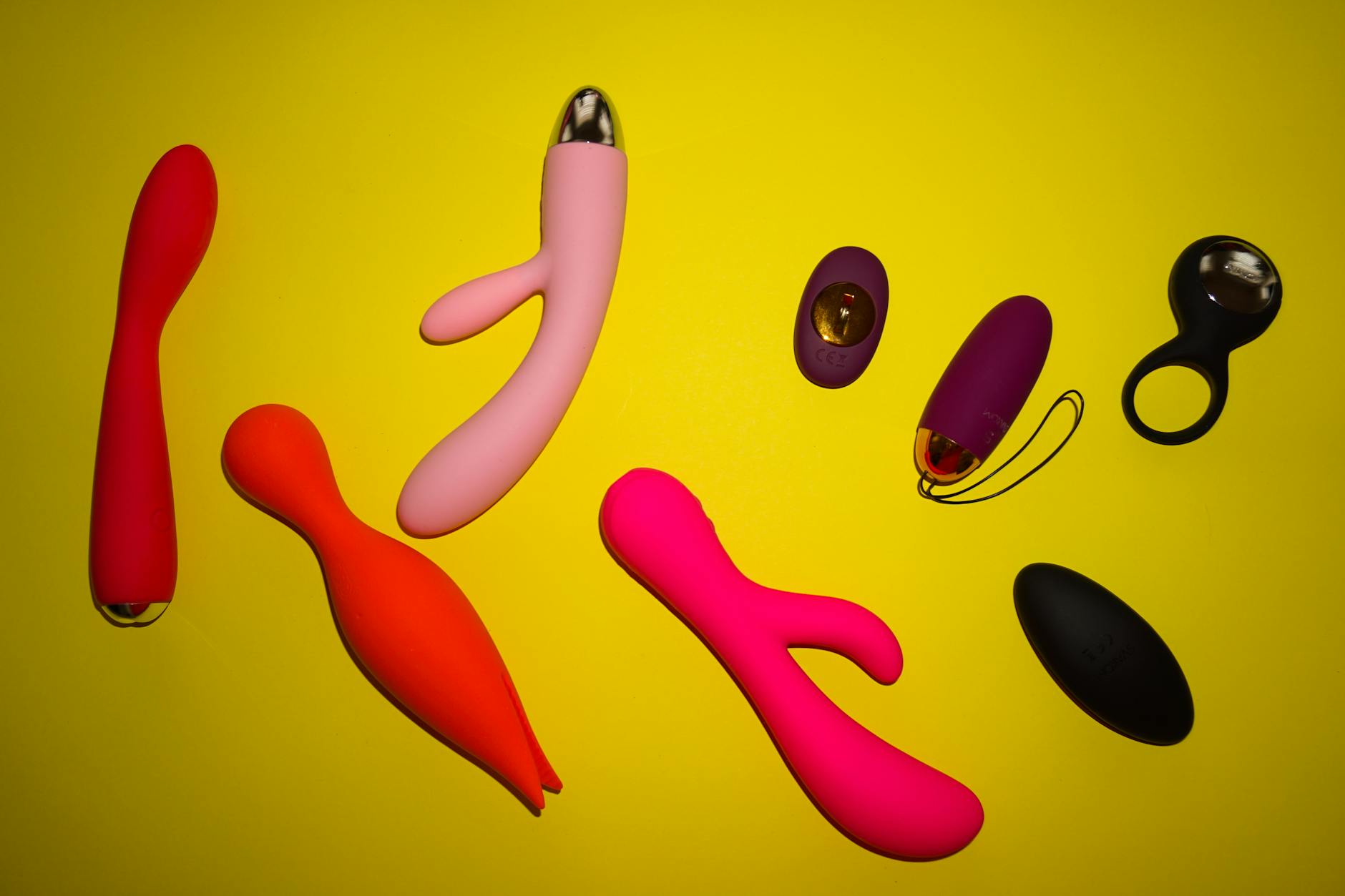
Let's start with the honest part
Introducing pleasure tools with a new partner feels risky. You're still building trust. You're still figuring out what they like, what you like, what happens when those things collide. Adding a lemon vibrator into that mix can feel like you're asking permission to want something different, something more, something that requires a little help.
Here's the truth: a lemon clitoral vibrator isn't a replacement for your partner or a sign that something's missing. It's an invitation. It's a conversation that starts with pleasure instead of performance, vulnerability instead of shame. And when you frame it that way, most partners respond by leaning in.
Why pleasure tools matter early on
When you're new to someone, you're often hyperaware. You're monitoring their reaction, gauging their comfort, checking whether you're being too much or not enough. That internal narration can make it genuinely hard to relax into sensation. A lemon sucker gives you permission to focus on your own body without constantly evaluating the moment through their eyes.
There's also a practical piece. Not everyone orgasms the same way, and early-stage sex often comes with a learning curve on both sides. If you tend to take longer to come, or if you need consistent, specific stimulation to reach orgasm, a lemon vibrator communicates that directly. It shows your partner what works without requiring a conversation that feels like criticism.
Last thing: newness brings tension. A little vibration, a little focused pleasure, can actually relax both of your nervous systems. Pleasure is a genuine physiological reset. You're not just having better sex. You're building safety together.
The conversation that comes first
Timing matters here. You don't introduce a toy mid-sex. You talk about it beforehand, ideally not right before intimacy when you're both already in motion.
Try something like: "I've been thinking about what gets me off, and I want to share something. I use a vibrator when I'm alone, and I think I'd feel more confident exploring with you if I had it with me. Would that feel okay to you?"
Notice what that does. It's honest. It's specific. It doesn't ask permission for your pleasure. It asks for their comfort with a tool that helps you feel good.
Some partners will say yes immediately. Some will ask questions. "Does that mean you're not satisfied?" or "Will you still be able to come without it?" or "Can I use it on you?" These aren't rejections. They're just nervousness looking for reassurance. You can answer them simply.
No, you're satisfied. You just know yourself better than anyone else does. Yes, you can come other ways too, but this makes it easier and way more fun. And honestly, yes, absolutely.
How to actually use it together
First time, go slow. You're introducing a new sensation and a new dynamic. Neither of those is inherently complicated, but together they can feel like a lot.
Start with the lemon clitoral vibrator off. Hold it. Let your partner see it, touch it if they want. Some people find it helps to talk about the design, the material, how it feels in your hand. It demystifies it. It stops being a mysterious sex thing and starts being a tool.
When you're ready, turn it on at a lower setting. Not during penetration yet, just while you're kissing, touching, building arousal. Let your partner watch what happens to you. Let them see your face, your breath, your body's response. This is important. Some partners are genuinely turned on by watching their partner experience pleasure, even if (or especially if) a toy is involved.
If you want your partner to use the lemon vibrator on you, show them first where feels good and what pressure works. You can guide their hand, or you can take it and show them the motion, the angle. "A little higher. Slower. Right there." That's not criticism. That's collaboration.
During penetration (if that's part of what you're doing), the lemon vibrator can intensify sensation without replacing what your partner is already giving. Some people like it externally, stimulating the clitoris while their partner is inside. Some prefer it earlier in the process, as foreplay that helps with arousal before anything else happens.
Here's the key part: this isn't about making sure you orgasm. It's about exploring what feels good. If you come, great. If you don't, that's fine too. The goal is removing the pressure, not adding a new form of it.
What to do if it feels awkward
It might. That's normal.
Some people feel self-conscious the first time. Some partners aren't sure where to put their hands or whether they should be doing something else. Some of you will laugh nervously. Some will feel distant instead of closer.
If any of that happens, pause. Not permanently. Just a beat. You could say, "This feels weird, right?" and let them confirm. Then you can decide together. Do you want to try a different position? Do you want to keep going and let it become more normal? Do you want to stop for now and try again another time?
There's no wrong answer. What matters is that you're checking in rather than pushing through discomfort.
One other thing: if your partner seems uncomfortable or resistant, don't interpret it as rejection of you. Sometimes people need time to adjust to new ideas. Sometimes they have their own stuff coming up (body image, past experiences, anxiety about performance). Give them space to sit with it. Ask what would make them more comfortable. Maybe you use the lemon vibrator when you're alone, and they can get used to the idea over time. Maybe they need to talk about their feelings first.
The unexpected benefit: better communication
This is the part that usually surprises couples. Introducing a toy early creates a pattern. You've had one vulnerable conversation about pleasure. You've shown that you can talk about what you want without judgment. That makes the next conversation easier. And the next one.
Six months in, when you want to try something different, or when your needs shift, you already have a template. You know how to ask. Your partner knows how to listen. You've practiced building intimacy around honesty instead of assumption.
That's relationship infrastructure. A lemon vibrator accidentally creates it.
When to actually introduce it
The timing advice people often give is "wait until you're comfortable." But here's the thing: you might never feel totally comfortable. Vulnerability doesn't have an optimal temperature.
What matters is intentionality. You're not drunk and suddenly pulling out a toy. You're not frustrated after bad sex and introducing it as a solution. You're planning this conversation, choosing a moment when you're both calm and present, and saying what you mean.
If you've been dating a few weeks and you already feel safe enough to be honest about pleasure, do it then. If it takes three months, that's fine too. If you're already deeply connected and suddenly realized you've never talked about this, it's not too late.
The only actually bad timing is when someone feels ambushed.
After the first time
Check in the next day. Not in a heavy way. Just a text or a conversation. "That was interesting. How did you feel about it?" This keeps the door open for feedback. Maybe they loved it and want to do it again. Maybe they need more time. Maybe they want to try something different next time.
You're building a relationship where pleasure is something you discuss, refine, and evolve together. That's the goal. A lemon vibrator is just the tool that makes that possible.
FAQ: New Partners and Pleasure Tools
Will using a lemon vibrator make my partner feel like they're not enough?
Maybe, if you don't talk about it first. Once you've had the conversation and they understand that the vibrator complements what they're doing rather than replaces it, that worry usually dissolves. Many partners actually feel more attracted to someone who knows what they want and isn't afraid to ask for it. Confidence is genuinely sexy.
Is it okay to surprise my partner with a lemon clitoral vibrator during sex?
No. Surprises feel good when they're clearly welcome. Surprises during sex can feel violating, even when they're well-intentioned. Give your partner the heads-up first. Let them prepare mentally. Then it becomes something you're exploring together instead of something that happened to them.
What if my new partner already uses toys and I've never used one?
Great. You're learning from someone who knows what they like. Let them show you. Ask questions. Watch what they do. This is an opportunity to see what's possible instead of feeling behind. You can always start with something simple like a lemon vibrator and explore from there.
How do I bring this up if we've already been intimate?
Just like you would if you hadn't. Pick a moment when you're not in bed, not rushed, and you're both present. "I've been thinking about something. I want to introduce you to something I think could make us both feel better. Can we talk about that?" It's not awkward unless you make it awkward. It's actually just honesty.
What if my partner wants to use the lemon vibrator on me but I feel self-conscious?
Let that feeling exist, and then move forward anyway. Self-consciousness usually softens once you realize your partner isn't judging you. They're usually just enjoying watching you enjoy yourself. Start with the lights lower if that helps. Start with less direct stimulation. Go at your own pace. You can also ask them to focus on something else while you get used to it, then gradually build the eye contact and presence.
Can a lemon vibrator actually help with orgasm during partnered sex?
Yes, for many people. The consistent, targeted stimulation a lemon clitoral vibrator provides can make it easier to reach orgasm, especially if penetration alone doesn't usually get you there. But the goal is pleasure, not performance. Sometimes you'll come. Sometimes you won't. Both are fine.
The real conversation underneath
Introducing a lemon vibrator to a new partner is actually introducing an idea: that your pleasure matters, that you know your body, and that you want to experience intimacy that includes all of you. That takes courage. It also tends to attract partners who are worth keeping around.
The ones who listen, who ask questions, who lean in even when they're nervous. Those are your people.
If you're ready to have that conversation, start here. And remember: you're not asking for permission. You're inviting someone into your world. There's a difference.
Related Reading
If you're navigating new relationship dynamics and pleasure, you might also explore how to use a lemon vibrator with your partner after a new relationship begins for relationship-specific strategies, or best lemon vibrator settings for different types of orgasm to learn exactly what sensation works best for you before you introduce a partner to your setup.
Ready to take the next step? Contact us if you have questions about which toy might work best for your situation, or visit our buying guide to explore options that match your comfort level and preferences.