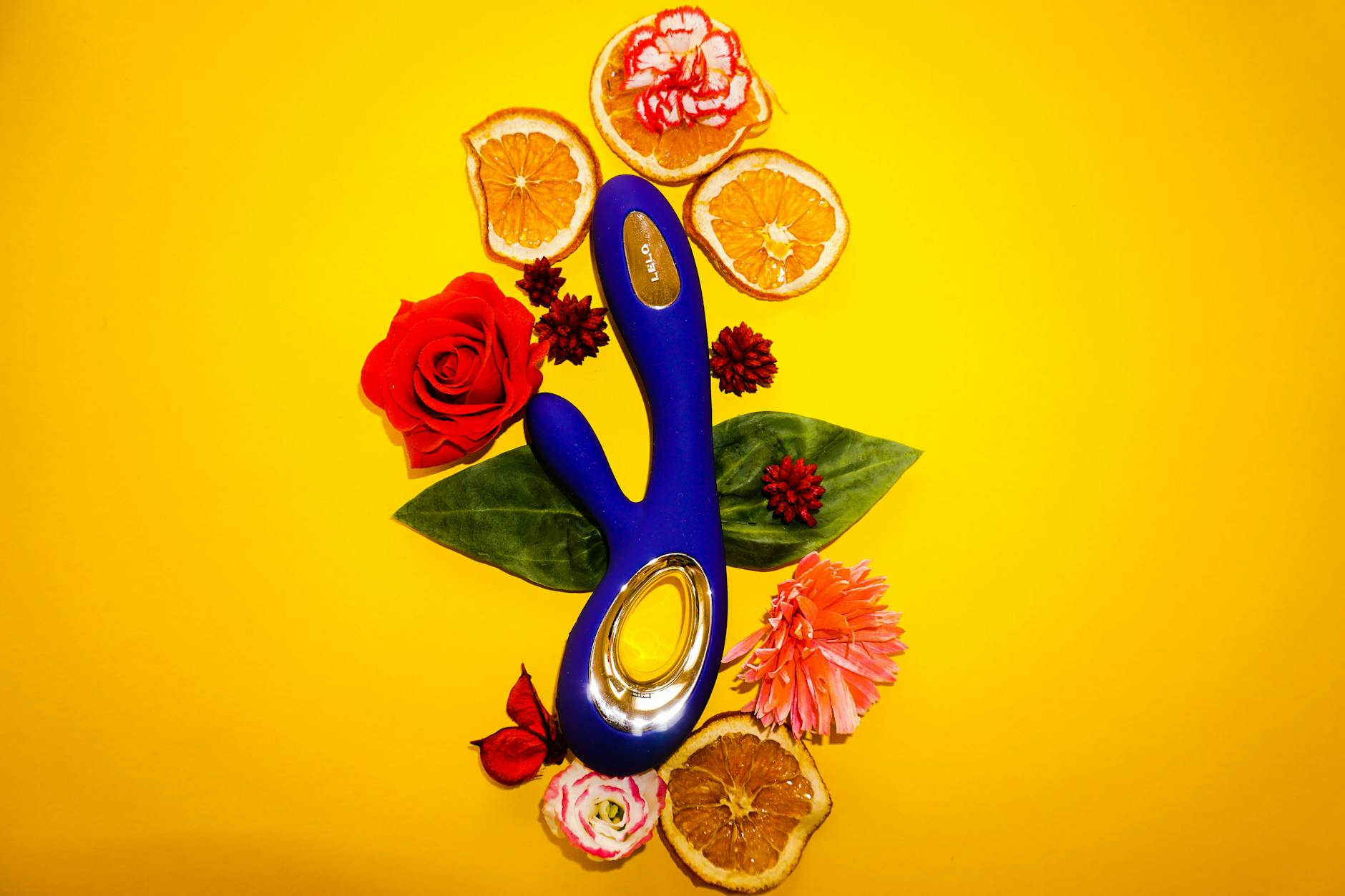
Let's be real about vulvodynia and pleasure
Vulvodynia isn't a barrier to orgasm. It's a completely different conversation. The two can exist separately, but most guidance treats them as if they're the same problem. They're not.
Vulvodynia (chronic vulvar pain) or pelvic floor dysfunction can make traditional penetration or pressure feel unbearable. But clitoral pleasure, when approached with the right tool and the right pacing, often remains accessible. A lemon vibrator, specifically its suction mechanism, can actually be gentler on inflamed or hypersensitive tissue than conventional vibration. That matters more than you might think.
Why suction is different for painful conditions
Here's the mechanical distinction: standard vibrators work through rapid back-and-forth movement. Suction-based clitoral vibrators like the Lem work through rhythmic pressure and release. For someone with vulvodynia, that's meaningful.
When tissue is inflamed or hypersensitive, friction-based stimulation can feel triggering even at low intensities. Suction bypasses that friction entirely. It creates a seal and a gentle pulling sensation instead. The clitoral nerve still fires, pleasure still builds, but the mechanism doesn't rely on vibration against already-tender skin.
This isn't theoretical. People with diagnosed vulvodynia report that lemon clitoral vibrators feel tolerable when other toys feel impossible. That's worth testing.
Starting with the right intensity and pattern
If you have chronic pelvic pain, begin at pattern one, the gentlest setting. Do not start mid-range and work down if it's uncomfortable. Start at the absolute bottom and build upward over weeks, not days.
Apply the Lem to the external clitoral area, the visible bulb of tissue at the vulvar opening. Do not press inward or use force. Let the suction do the work. If you feel any pain rather than pleasure, stop immediately. There's a difference between intensity and discomfort, and with vulvodynia, that line is real and important.
Many people find that 5-10 minutes at pattern one or two is the sweet spot. More time doesn't equal more pleasure when you're managing pain. Quality and safety matter more than duration.
Preparing your body: pelvic floor release first
Vulvodynia often coexists with pelvic floor tension. Tight pelvic floor muscles make sensation feel sharper and pain feel worse. If you're going to use a lemon vibrator, pelvic floor release before stimulation makes the experience dramatically better.
Try this: lie on your back, knees bent. Breathe in for four counts, then exhale for six counts, consciously relaxing the muscles around your vaginal opening, your perineum, and your anus. Do this for two to three minutes. It sounds simple because it is, but it genuinely shifts your baseline.
Some people also find that gentle internal massage with a finger, or applying a heating pad to the lower abdomen for 10-15 minutes beforehand, reduces defensive tension enough to make clitoral stimulation feel pleasure-based instead of pain-triggering. Everyone's nervous system is different, so experiment.
Lubrication matters more when tissue is fragile
If you have vulvodynia, external lubrication isn't optional. It's protective. Use a water-based lube rated for sensitive skin, applied generously to the clitoral area before you introduce the Lem.
The lube serves two functions: it protects already-irritated tissue from any residual friction, and it helps the suction seal form more comfortably. You're not adding stimulation, you're adding safety.
Reapply if the area starts to feel dry during use. There's no such thing as too much lubrication when you're managing chronic pain.
What your nervous system needs to know
Chronically painful conditions prime your nervous system toward protection, not pleasure. Your body's default is "shield this area." That's functional and intelligent when pain is constant. But it also makes pleasure harder to access.
Before using a lemon vibrator, give yourself permission to feel nothing, or to feel mild sensation and stop. Pleasure doesn't have to be intense to be valid. If you reach a 3 or 4 out of 10 in terms of intensity, and that feels safe, that's success.
Many people with vulvodynia find that consistent, low-intensity stimulation over several sessions teaches the nervous system that this particular sensation is safe. It's not about chasing an orgasm, it's about retraining your system to recognize that not all clitoral sensation is painful.
When to involve a pelvic floor physical therapist
If you've never worked with a pelvic floor PT, now is an excellent time to start. They can assess whether your pelvic floor tension is primary (the root cause of pain) or secondary (resulting from the pain itself). That distinction changes the approach.
A pelvic floor specialist can also guide you through desensitization exercises that make using a toy safer and more pleasurable. They won't prescribe vibrators directly, but they'll teach you how your body responds to different types of stimulation, and they'll give you permission to explore pleasure as part of healing.
If your vulvodynia is nerve-based or inflammatory rather than tension-based, a PT can distinguish that too. Some people benefit from topical treatments alongside pleasure practices. Some need medication first. Some need both. The best path forward is always the one informed by professional assessment.
Pain vs. pleasure: learning the difference
With chronic conditions, the sensations can blur together. Your nervous system gets primed to interpret input as dangerous even when it's not. Learning to recognize pleasure as distinct from pain is part of reclaiming your body.
Here's what to notice: pain tends to make you want to pull away. It's sharp, burning, or radiating. Pleasure, even mild pleasure, makes you want to lean in, if only slightly. It's localized, warm, or builds incrementally.
If you're not sure, stop. Use the vibrator another time when you have more clarity. There's no timeline for this. Healing and pleasure aren't on anyone else's schedule.
Building a sustainable practice
If you find that a lemon vibrator works for you, consistency matters more than intensity. Using it once weekly at a gentle setting is better than using it intensely once monthly. Regular, low-intensity stimulation helps your nervous system recognize the sensation as safe and rewarding.
Keep a simple note of what intensity, duration, and preparation method worked. You don't need a spreadsheet. Just remember: pattern one, 7 minutes, after pelvic floor breathing. Then next week, try the same thing. Your body will learn.
When you're living with chronic pain, even small moments of reliable pleasure become meaningful. A lemon clitoral vibrator, used thoughtfully, can be one of those moments.
Common concerns when you have vulvodynia
Will using a vibrator make the pain worse? If you start gently and stop when pain appears, no. If you push through discomfort trying to reach an orgasm, possibly yes. Pain signals matter. Listen to them.
How long before I can feel pleasure again? That's individual and depends on the cause of your vulvodynia. Some people see shifts in weeks. Some take months. A pelvic floor PT can give you a better timeline.
Can I use a lemon vibrator if I'm on medication for vulvodynia? Yes. Medications and pleasure practices work alongside each other, not instead of each other. Check with your doctor if you're unsure, but the answer is typically yes.
FAQ
Is a lemon suction vibrator safer than a regular vibrator for vulvodynia?
It can be, because suction-based stimulation doesn't rely on friction against tissue. For people with vulvodynia, friction can trigger pain even at low intensities. Suction bypasses that mechanism entirely. That said, individual experiences vary. Some people find all vibration triggering. Some find suction perfect. Start low and listen to your body.
How do I know if what I'm feeling is pain or just unfamiliar sensation?
Pain feels like something you want to escape. It's sharp, burning, stinging, or radiating outward. Unfamiliar sensation is curious. It might feel intense or strange, but you don't have an immediate urge to pull away. If you're unsure, stop and try again another time. Your body will give you clearer signals with practice.
Can I use a lemon vibrator if I have both vulvodynia and vaginismus?
With vaginismus (involuntary pelvic floor tension), internal sensation often triggers more tension. Focusing on external clitoral stimulation through suction is usually a smarter starting point. Work with a pelvic floor PT to address the internal tension separately.
What if I've never had an orgasm and I have vulvodynia?
Vulvodynia makes pleasure harder, but not impossible. Start with a Lem at the gentlest setting, do the pelvic floor breathing work first, and give yourself permission to feel no pressure to climax. Many people find that when the goal shifts from orgasm to sensation and safety, pleasure becomes accessible. The orgasm often follows.
How often should I use a lemon vibrator if I have chronic pelvic pain?
Consistency beats frequency. Once or twice weekly at a gentle intensity is better than occasional intense sessions. Your nervous system needs to learn that this sensation is safe and repeatable. Build a rhythm and stick with it.
Should I tell my partner about using a lemon vibrator for vulvodynia management?
That depends on your relationship and your comfort level. If you share a bed or your partner notices, transparency helps. You can frame it as a tool for pleasure and pain management, not a replacement for partnered sex. Many partners find it relieving to know there's something that works for you, especially if intercourse has been difficult.
The bottom line
Vulvodynia doesn't have to mean giving up pleasure. With the right tool, the right pacing, and permission to go slowly, a lemon vibrator can become part of how you reclaim your body. Work with your healthcare providers, listen to your nervous system, and know that healing and pleasure aren't either-or. They're part of the same journey.
If you want to explore further, check out our guide on how to use a lemon vibrator when physical sensation changes with age for additional strategies on working with sensitive tissue. You might also find value in how to use a lemon vibrator for better sensation when numbness follows medical procedures if your vulvodynia is related to medical history.