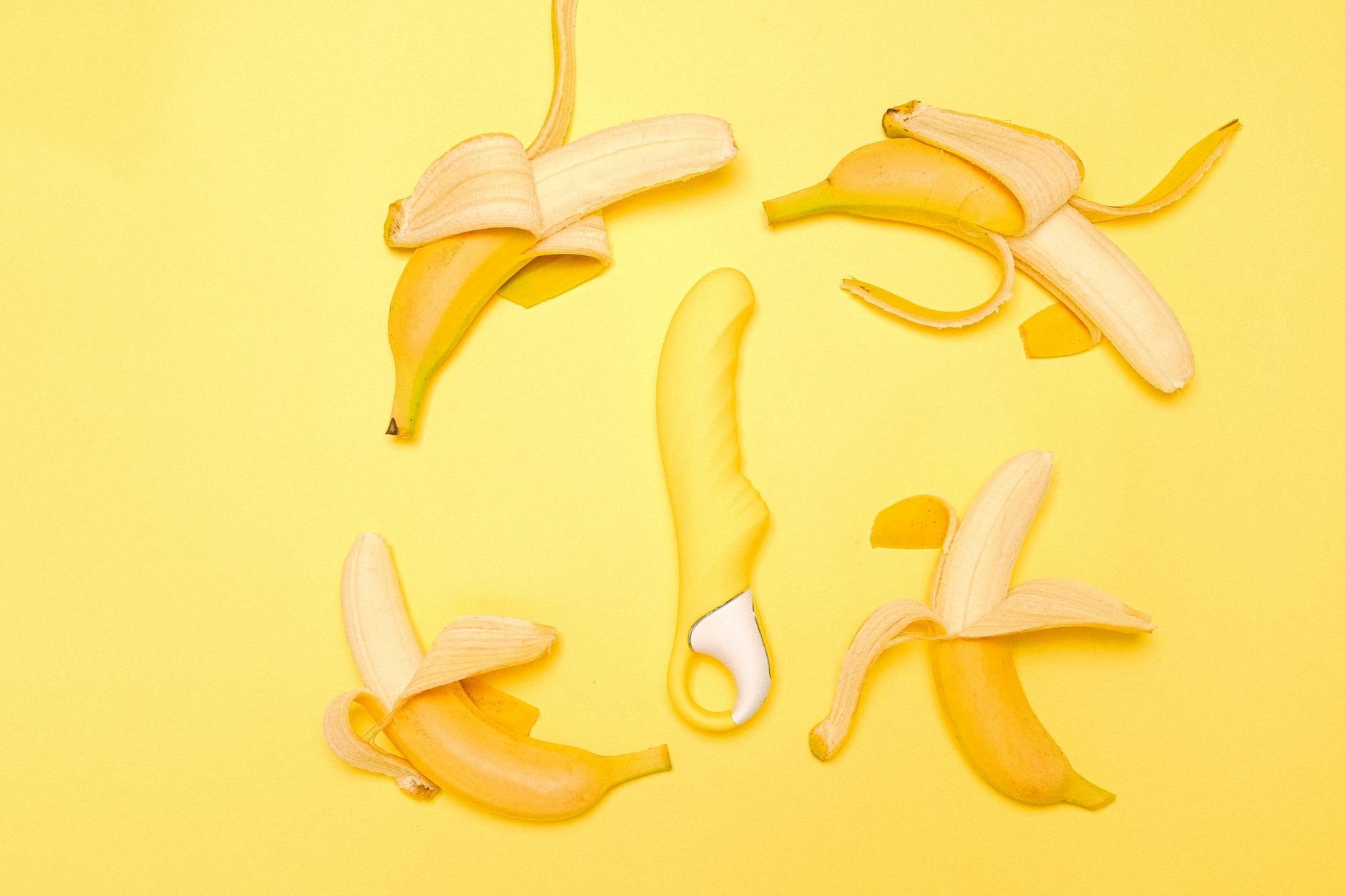
Here's the thing about lube and lemon vibrators
Let's be real. Most people think lubrication is optional with suction toys. It's not. With air-pulse lemon vibrators, lube isn't a nice-to-have. It's the difference between a mediocre sensation and an absolutely transformative one.
The reason is physics, not preference. And once you understand why, you'll never use a lemon clitoral vibrator without it again.
How suction toys actually work on your body
Unlike traditional vibrators, lemon suckers create a seal. Air pulses in and out, creating rhythmic stimulation that works through gentle pressure changes rather than direct friction. That seal is everything. Here's the catch: your body's natural moisture alone isn't always enough to create that perfect, consistent seal that makes the sensation sing.
When there's no lube, one of three things happens. The toy loses suction halfway through. The seal feels dry or pulls slightly, creating friction instead of smooth pressure. Or the sensation stays surface-level, never quite reaching that deeper, fuller feeling that makes lemon vibrators so wildly different from standard clitoral vibrators.
Lube creates an even, frictionless barrier between your skin and the toy's opening. This allows the suction to do its job without any drag or inconsistency. The air pulses can work at their full potential. Your skin stays comfortable. And the sensation goes from "okay" to "how is this legal."
That's not hyperbole. That's neuroscience meeting practical design.
Water-based versus silicone-based lube with lemon toys
Not all lubes are created equal when you're working with a Hello Nancy lemon sucker. Your choice matters.
Water-based lube is your safest bet. It works beautifully with silicone toys, cleans up easily with water, and won't damage your toy over time. Water-based lubes are less thick than silicone, which means they won't create excessive drag during suction. They also dry out slightly faster, which actually helps maintain that responsive seal because the toy can still pull at your skin without everything sliding around.
The downside: water-based lube needs reapplication more often. If you're planning a longer session, you might find yourself adding more halfway through. That's normal. It's also fine. Just keep your lube bottle nearby.
Silicone-based lube feels richer and lasts longer. One application often carries you through an entire session without reapplication. It's luxurious and slippery in a way water-based lube isn't. But here's the critical rule: never use silicone lube with a silicone toy. Silicone degrades silicone. You'll damage the material, and within months, your lemon vibrator will start breaking down.
The Lem and other Hello Nancy lemon sexual toys are made from body-safe silicone. This means water-based lube is your requirement, not a suggestion.
Oil-based lubes are off the table. Coconut oil, almond oil, and other natural oils sound nice in theory. In practice, they degrade silicone, they're difficult to clean off, and they can trap bacteria because they don't wash away easily. Skip them.
How much lube do you actually need
This is where a lot of people get confused. You don't need much.
A small amount around the opening of the toy is sufficient. Think a quarter-sized dab. You're not trying to lubricate your entire vulva. You're creating a seal-friendly environment right where the toy contacts your skin. Apply it to the rim of the toy or directly to your skin, then let the toy do its job. As you turn it on and the suction begins, the lube will distribute naturally.
More lube is not better. Too much and you'll lose the suction seal entirely. The toy will slide around without creating the pressure changes that make the sensation work. You want just enough for smoothness, not so much that there's a slippery barrier between your skin and the toy's pull.
If you feel the suction weakening partway through, that's your cue to add a tiny bit more. You'll quickly learn the sweet spot for your body and your toy.
Warming up and prep work
Lube temperature matters more than people expect. Cold lube against your sensitive skin can feel jarring and reduce arousal. Warm lube feels luxurious and keeps your body in a receptive state.
Several options: hold the lube bottle under warm water for 30 seconds. Apply a small amount to your fingers and rub it between your hands to warm it before applying to the toy. Or, simply let it sit against your skin for a moment. Body heat warms it quickly.
You can also apply lube after you've turned the toy on at a low setting. Let it warm up as the toy works, then increase the intensity once everything feels right temperature-wise. This approach actually helps your body acclimate to the sensation gradually, which many people find more pleasurable than jumping straight into intensity.
Reapplication during longer sessions
If you're planning to use your lemon vibrator for more than 15 minutes, plan to reapply lube partway through. You'll notice the sensation changing slightly as the water-based lube dries. At that point, add another small dab to the rim and you're back in business.
This isn't a problem. It's just how water-based lubes work. Many people actually like the rhythm of checking in with their body, noticing the sensation shift, and reapplying. It keeps you present and attentive to what you're experiencing.
Why lube changes everything about sensitivity
If you've read about lemon vibrators potentially being uncomfortable for sensitive skin, lube is often the missing piece in that conversation. A lemon clitoral vibrator without lube can feel too intense or even slightly uncomfortable because there's friction and direct pressure on sensitive tissue. That same toy with proper lubrication feels smooth, controlled, and genuinely pleasurable.
This is why the advice in guides like our post on sensitive skin and lemon vibrators always includes lubrication as a foundational strategy. You're not just adding lube for sensation. You're fundamentally changing how the toy interacts with your body.
Lube storage and toy care
Store your lube in a cool, dry place. Heat and light can break down water-based lubes over time. A bedside drawer works fine. The bathroom medicine cabinet is actually not ideal because humidity can affect the formula.
After use, rinse your lemon sucker toy with warm water and mild soap. Any lube residue rinses away easily. Pat dry with a lint-free cloth and store it in a clean, dry spot. Proper care keeps your toy in perfect working condition for years.
The partner conversation
If you're using a lemon vibrator with a partner, lube is worth a conversation. Some partners worry that adding lube means something's wrong or that natural moisture isn't enough. It's not either of those things. Lube is like seasoning in cooking. Your food is fine without it, but the right amount makes everything taste better. Same principle applies.
You might also try using a lemon vibrator with a partner in ways that feel collaborative, like having them apply the lube or adjust the intensity while you focus on sensation. That shared moment can deepen intimacy in ways that have nothing to do with the lube itself.
Frequently asked questions
Can I use coconut oil as lube with my lemon vibrator?
No. Coconut oil and other natural oils degrade silicone. They'll damage your toy over time and they're hard to clean off. Stick to water-based lube designed for silicone toys. It's the safest, most effective option.
How often should I reapply lube during a session?
For most people, one application at the start carries through 10-15 minutes of use. If you're going longer than that, reapply when you notice the sensation shifting or the toy losing suction slightly. You'll develop an intuition for your own body's rhythm pretty quickly.
What if lube makes me feel less sensation?
That usually means you've applied too much. Lube should create a frictionless seal, not a slippery barrier. Use a quarter-sized dab instead of more. If you're still experiencing reduced sensation, try a thinner water-based lube formula. Some lubes are thicker than others, and finding the right viscosity for your body makes a huge difference.
Is it normal for water-based lube to feel sticky after a while?
Yes. As water-based lube dries slightly, it can feel tacky or sticky. That's your cue to add a tiny bit more water or a fresh dab of lube. You can also keep a damp washcloth nearby and lightly dampen your skin if stickiness bothers you, then reapply a small amount of lube.
Can I use saliva as lube for a lemon vibrator?
Not effectively. Saliva dries quickly and isn't slick enough to maintain the suction seal that makes lemon suckers work. You need a proper lubricant. Water-based lube designed for toys is inexpensive and worth having on hand.
Do lemon vibrators need lube more than other clitoral vibrators?
Yes. Suction toys rely on an airtight seal. That seal works infinitely better with a frictionless barrier. Standard vibrators can work without lube if you have natural lubrication. Lemon vibrators and other air-pulse toys really do perform at their best with lube. It's not optional, it's foundational.
The bottom line
Lube transforms a lemon vibrator from decent to extraordinary. It's the difference between understanding the toy intellectually and experiencing why people genuinely obsess over them. You don't need much. You just need the right kind. Water-based lube, a small amount, reapplied as needed. That's it. That's the secret.
If you've been using a lemon clitoral vibrator without lube, try it once with proper lubrication and notice what changes. The depth of sensation, the comfort, the responsiveness. You're not missing out on pleasure without it. But you're definitely not experiencing the full potential of your toy.
Your body deserves that full experience. You deserve pleasure that feels smooth, responsive, and genuinely transformative. Start with the right lube and you're already halfway there.