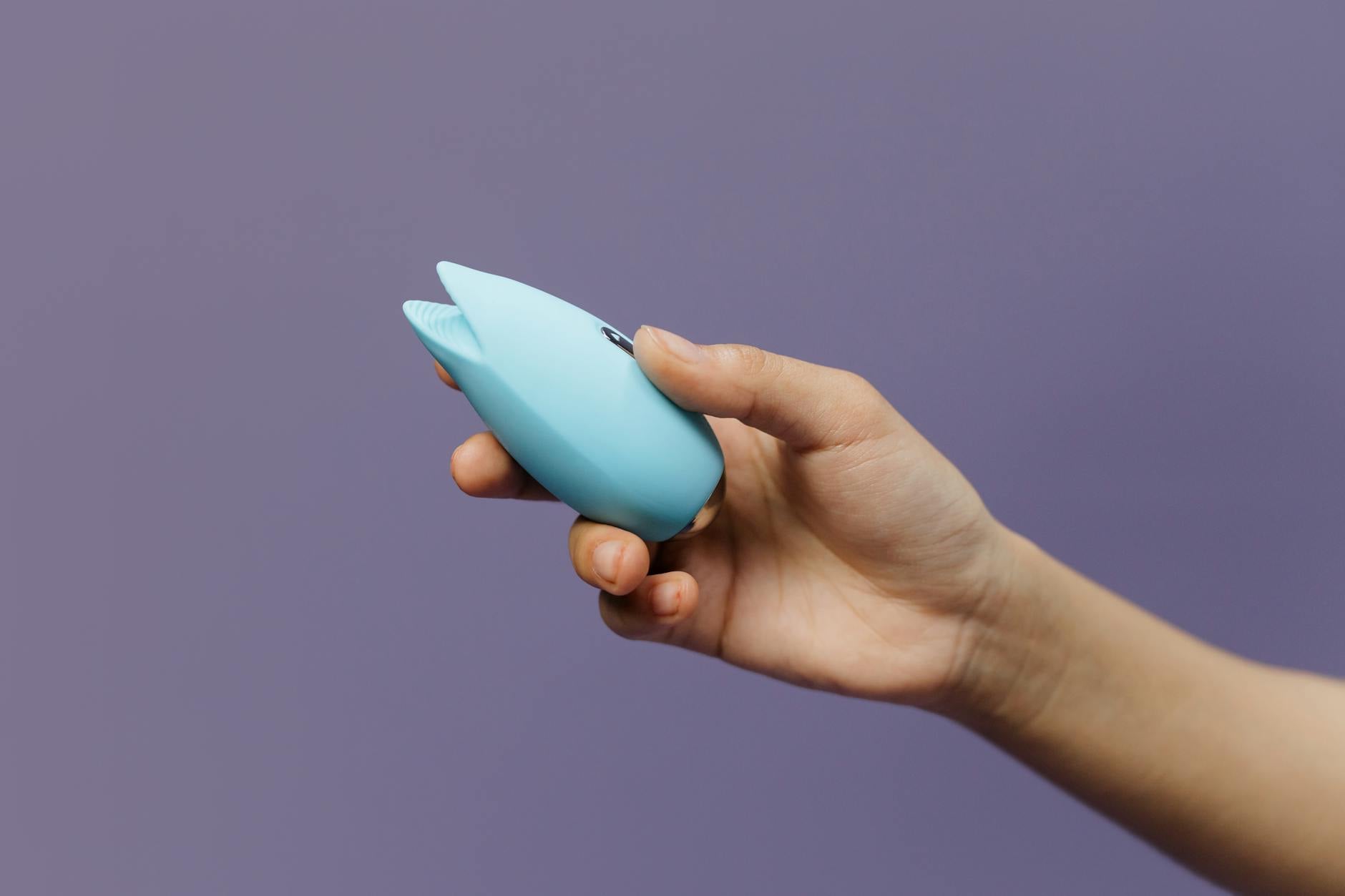
How to Use a Lemon Vibrator for Better Pleasure When Experiencing Reduced Sensation During Partnered Sex
Let's be real: some people lose sensation during partnered sex. It happens for a bunch of reasons. Anxiety about performance. Distraction. The physical reality that partnered stimulation sometimes isn't precise enough for your body to register what's happening. And suddenly, sex that used to feel incredible feels muted. Like you're watching from a distance instead of being fully in it.
That distance is frustrating. It can make you question whether you still want sex, whether your partner is still attractive to you, or whether something is fundamentally broken. It's usually none of those things.
Here's what a lemon clitoral vibrator actually does in this situation: it amplifies signal through noise. It gives your nervous system something clear and consistent to respond to. And it keeps you connected to your partner while you're reconnecting with pleasure.
Why reduced sensation happens during partnered sex
Your clitoris is incredibly sensitive, but that sensitivity requires two things: direct attention and mental presence. During partnered sex, you're often dividing your attention between your own pleasure and your partner's experience. That split focus is normal and natural. But it can dull sensation.
Another layer: partnered touch, even when intentional, is often less precise than solo touch. Your partner doesn't have the same real-time feedback loop you do when you're touching yourself. They're working from generalization ("faster seems good") rather than the micro-adjustments you'd make on your own.
Add in typical culprits like stress, hormonal fluctuation, medication side effects, or simply being in your head about whether you're taking too long. Your nervous system quiets down. The signal fades.
A lemon vibrator doesn't solve any of those root causes. It doesn't meditate your stress or rebalance your hormones. But it does bypass the noise entirely. The suction sensation is strong enough and specific enough that your nervous system can't ignore it, even when your brain is half-elsewhere.
The specific advantage of suction over vibration here
There's a reason clitoral suction toys like the Lem vibrator have become such a game-changer for people experiencing sensation issues during partnered sex. Vibration is intense, but it's also easy to become numb to. Suction is different. It creates a pulling sensation that's both consistent and stimulating in a way the nervous system treats as novel. Your body doesn't habituate to it in the same way.
For partnered sex specifically, this matters because the sensation is strong enough to cut through distraction without requiring you to go somewhere else mentally. A vibrator might feel great, but you're still managing the sensation. Suction feels like something is happening to you, not something you're facilitating.
How to actually integrate a lemon vibrator into partnered sex
Start by being honest with your partner about what's going on. Not as a complaint ("You're not doing it right") but as information ("I've noticed I'm not feeling things as sharply. I want to try something that might help me get there faster").
Then, here's the framework:
Before you're together. Use the lemon vibrator solo first. Spend 10 minutes with it, no agenda. Notice how different sensations feel at different intensities. Find the pattern that actually gets you somewhere. This removes the pressure of "figuring it out" when your partner is present.
During foreplay. Introduce it early, when arousal is building. Your partner can hold it, or you can. Either way, get used to how it feels in your body before you're in the middle of partnered sex. Let your nervous system get familiar with the sensation.
During penetration or other partnered contact. This is where the real value lives. The lemon vibrator against your clitoris while your partner is inside you, or while you're engaging in whatever other form of partnered sex feels good. The toy isn't replacing your partner's touch. It's amplifying your nervous system's ability to receive it.
If sensation is still fading. Turn up the intensity or switch to a stronger pattern on the Lem. You're not failing if you need more stimulation. Your body is just saying what it needs.
Managing the mental piece
Here's the part no one talks about: using a toy during partnered sex sometimes triggers shame or self-consciousness. You might think you're being "high maintenance," or worry that your partner will feel like they're not enough.
That story is worth examining. Because the truth is simpler: you're a person with a nervous system that responds to specific input. That's not a reflection on your partner's desirability or your relationship's health. It's just physiology.
Talk about it. Before you integrate a lemon vibrator, tell your partner what you're experiencing and why you want to try it. Frame it as something you want to do together, not something you're doing because they're failing.
Many partners actually find it easier to stay present when there's a toy involved. The pressure to "give" you an orgasm lifts. You're collaborating instead of performing.
Practical adjustments that matter
Position matters. If you're partnered vaginally or anally, you'll want positioning that leaves your clitoris accessible. That might mean your partner entering from behind while you lie on your side, or you being on top so you control the angle. If you're engaged in other forms of partnered sex, the lemon vibrator just needs space against your clitoris.
Lubrication helps, especially if reduced sensation is linked to any dryness. Water-based lube isn't cheating. It's setup.
Timing is important too. Some people do better integrating a toy from the very beginning of partnered sex. Others prefer to use it only if they notice sensation fading. There's no rule. You're learning what your body needs in the context of a partner.
Consider also the mental setup. If reduced sensation happens when you're anxious or distracted, creating conditions for presence matters as much as the toy itself. That might mean less digital distraction beforehand, or asking your partner to build more foreplay time. The lemon vibrator amplifies sensation, but it works best when your mind isn't completely elsewhere.
What happens when sensation returns
Here's something worth knowing: using a lemon clitoral vibrator during partnered sex doesn't mean you'll always need it. For many people, reconnecting with pleasure in partnership rewires how they experience partnered touch over time. Once your nervous system remembers what pleasure feels like in that context, you might find yourself wanting the toy less often.
Or you might decide you love it and want to use it every time. Both are fine. The point isn't to graduate away from the toy. It's to have access to whatever helps you stay connected to your own pleasure and your partner.
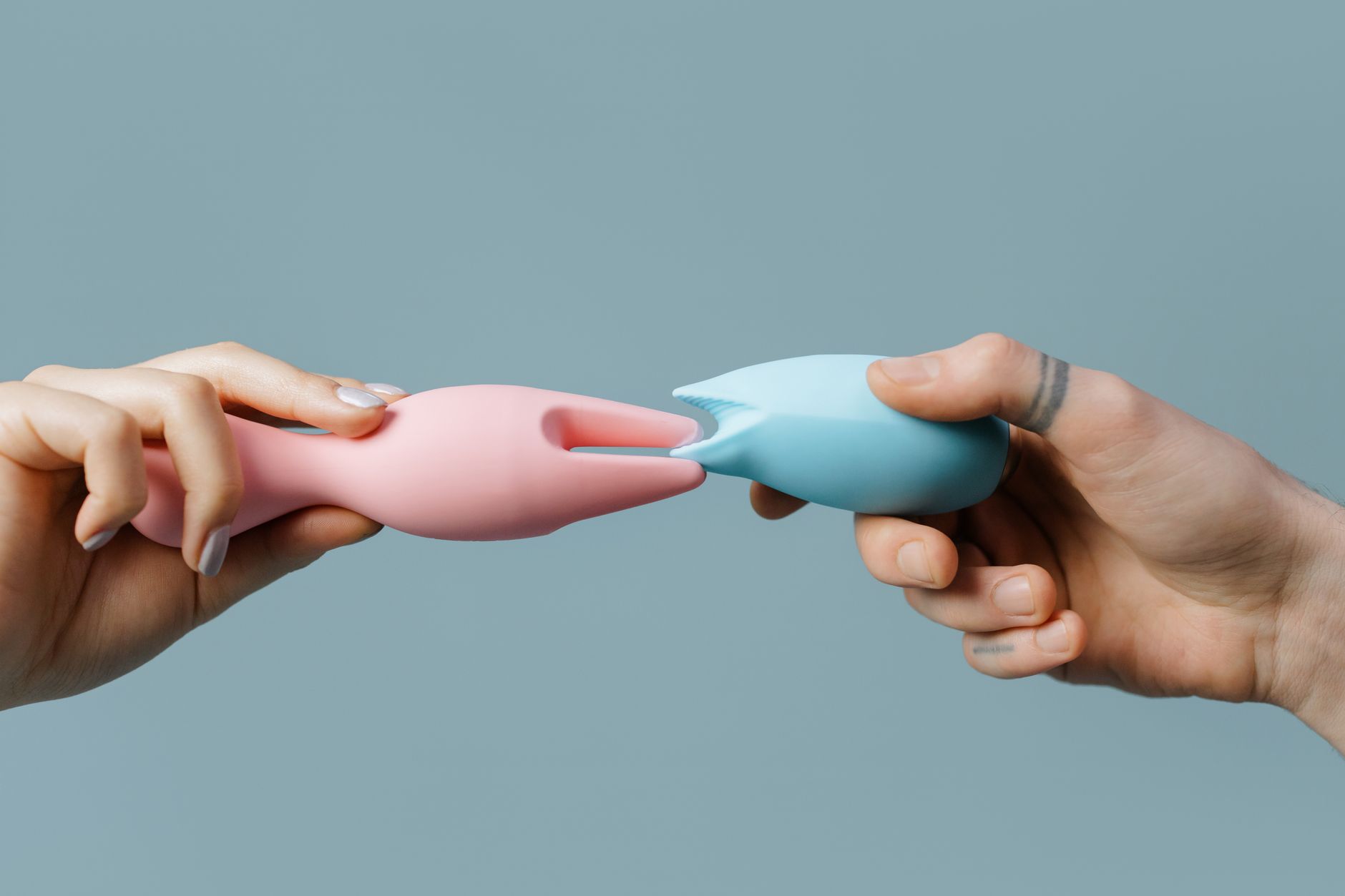
Photo by cottonbro studio on Pexels
How this connects to other pleasure work
If you're also dealing with reduced sensation across the board, not just during partnered sex, the lemon vibrator is still useful. But you might benefit from exploring solo pleasure first to really recalibrate your baseline.
Similarly, if the reduced sensation is linked to hormonal shifts and cycles, you might notice patterns in when you need stronger stimulation and when a lighter touch works.
For people returning to partnered sex after extended solo play, a lemon vibrator can also bridge that gap while you're rebuilding trust in partnered sensation.
The permission you actually need
Your pleasure during partnered sex matters. Not as a side benefit, not as something nice if it happens, but as a core part of why you're there.
Using a lemon vibrator isn't a workaround. It's not settling. It's you taking responsibility for your own sensation and inviting your partner to participate in that. That's actually the foundation of better partnered sex.
People also ask
Is it normal to lose sensation during partnered sex?
Very normal. Anxiety, distraction, medication, hormonal fluctuation, and even just the physical difference between self-touch and partnered touch can all dull sensation. It doesn't mean anything is wrong with you or your relationship.
Will using a lemon vibrator make me dependent on it?
No. Your nervous system doesn't become habituated to clitoral suction the way it can to vibration. Many people find they use it less frequently over time as sensation returns. Others keep using it because they enjoy it. Either pattern is fine.
Can my partner use the lemon vibrator on me during partnered sex?
Absolutely. Your partner can hold it, move it, control the intensity. Some people prefer their partner controlling the toy. Others prefer controlling it themselves. Experiment.
What if I orgasm too quickly with the lemon vibrator during partnered sex?
Quicker orgasm isn't a problem unless you want it to be. If you do want to extend arousal, try starting with a lower intensity pattern and building up. Or introduce the toy later in partnered sex once you're already highly aroused.
Does using a toy mean my partner isn't satisfying me?
No. Toys and partners serve different functions. A toy amplifies sensation. Your partner offers connection, presence, and intimacy. They're not in competition. The best partnered sex usually involves both.
How do I bring up using a lemon vibrator without my partner feeling insecure?
Be direct and kind. "I've noticed my sensation isn't as sharp during partnered sex as I'd like. I want to try something that might help me feel more. I'm suggesting this because I want to enjoy us more, not because anything is wrong." Most partners respond well to clarity and the knowledge that you're trying to show up more fully.